

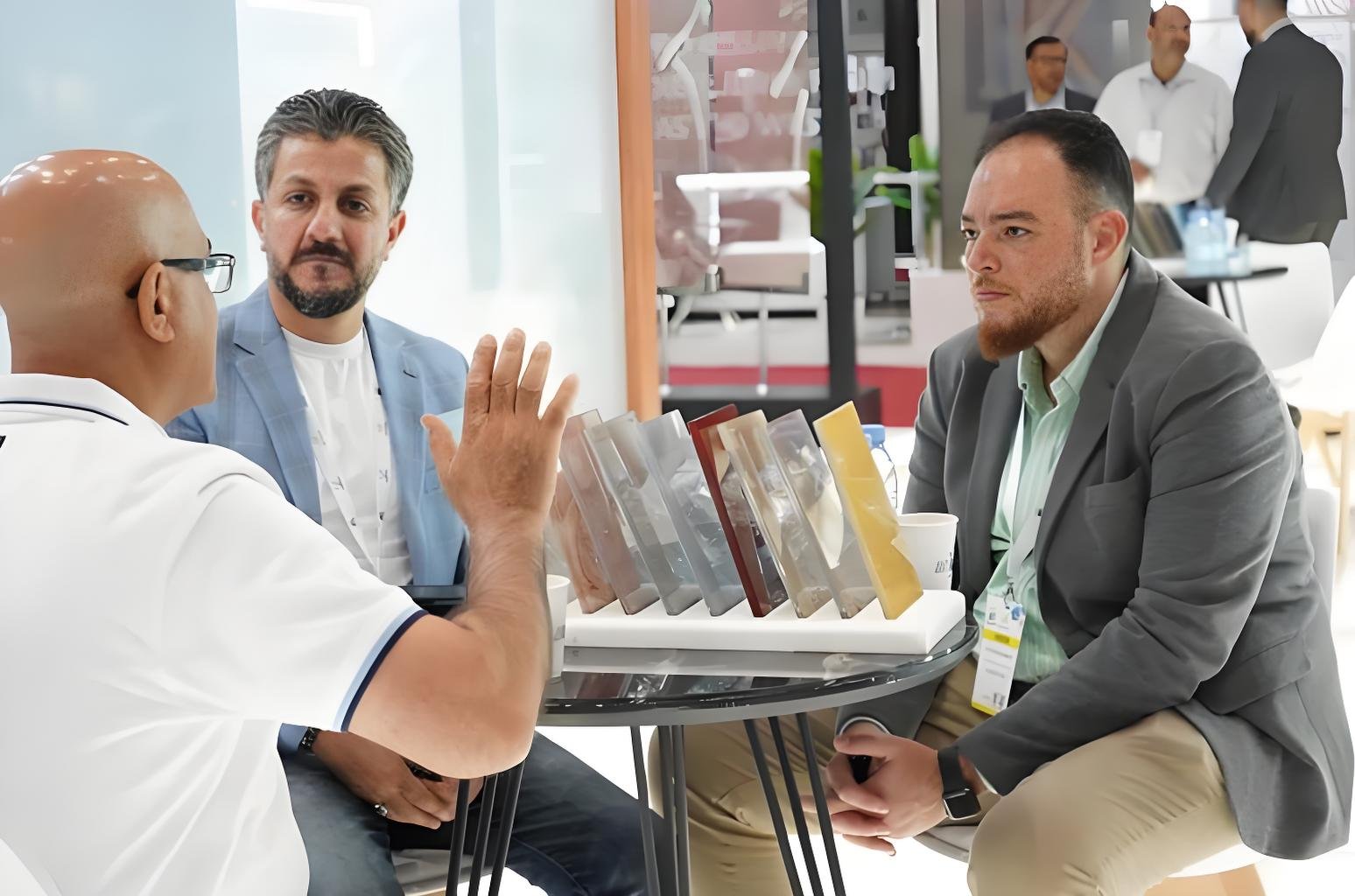
I was standing in a Longjiang showroom last March, watching a buyer from Miami nod along as a trading company rep explained why his $18,000 container load needed another $4,200 in “consolidation fees.” The buyer didn’t blink. He’d already wired the deposit. Three weeks later, he called me. The sofa frames were plywood instead of solid oak. The rep — who had been so charming over WeChat — had stopped responding. The trading company? Just a rented desk in a Shunde office tower. No factory. No liability. Just a slick brochure and a talent for making promises.
This is the part nobody talks about. Buying furniture from China through a trading company isn’t inherently dangerous. But it’s rarely what it appears to be. The glossy photos, the confident English, the “we’re basically the factory” pitch — it’s theater. And most buyers are sitting in the front row, clapping.
The Brutal Truth: You’re Paying for Invisible Middlemen
Here’s the reality that stings: most China furniture trading companies don’t add value. They add opacity.
They don’t manufacture. They don’t design. They don’t even inspect half the time. What they do is aggregate orders, mark up prices by 15–40%, and pray the factory doesn’t screw up before the container leaves port. If something goes wrong, their playbook is simple — blame the factory, stall the buyer, and hope the problem gets too expensive to fight.
The rule of thumb? If a trading company can’t tell you the name of the workshop foreman or the exact GPS coordinates of the factory floor, you’re not dealing with a sourcing partner. You’re dealing with a reseller in a nice shirt.

Why Trading Companies Exist (And Why They Won’t Disappear)
Think of the Chinese furniture supply chain like a massive food court. Hundreds of stalls, each with its own specialty. One makes killer dumplings. Another does noodles. The trading company is the guy who walks around with a menu, takes your order, and runs to the stalls while you sit at a clean table. Convenient? Sure. But you’re paying for the chair, the laminated menu, and his markup. Plus, if the dumplings are cold, he’s the only one you can yell at — and he’s already halfway out the door.
Trading companies survive because they solve a real problem: language barriers, payment logistics, and the terror of wiring $50,000 to a factory you’ve never visited. They wrap chaos in a bow. For small buyers — interior designers doing one-off projects, boutique hotel owners, first-time importers — that comfort feels worth the premium.
But here’s the thing most buyers miss. The factory isn’t some distant, inaccessible mystery. It’s often twenty minutes from the trading company’s office. In Foshan, Dongguan, Longjiang — the whole ecosystem is clustered. The trading company isn’t bridging a gap. They’re standing in the middle of a hallway and charging you a toll.
And the “inspection” they promise? Usually a guy with a phone camera walking through the factory for twenty minutes. I’ve seen it. (And yes, this happens more than anyone admits.)
The Three Hidden Costs Nobody Calculates
When buyers compare quotes, they look at unit price. That’s the wrong math.
The first hidden cost is specification drift. Trading companies quote from factory catalogs. But factories change materials seasonally — swap out foam densities, switch veneer suppliers, quietly downgrade hardware. The trading company doesn’t catch it because they’re not on the floor. By the time you open the container in Hamburg or Houston, the sofa that was “full-grain leather” in the quote has become “genuine leather” — which, in China, can mean anything from top-grain to split leather with a heavy coating. The buyer has no recourse. The contract, if there even is one, is with the trading company, not the factory.
The second cost is timeline inflation. A factory can produce your order in 25 days. The trading company quotes 45. Why? Because they’re juggling ten orders, consolidating containers, and waiting for another buyer’s dining chairs so they can fill a 40-foot box. Your urgency is secondary to their logistics puzzle. I’ve watched projects miss hotel opening dates because a trading company delayed a shipment to save $300 on freight consolidation.
The third cost is the hardest to quantify: opportunity cost. Every hour you spend chasing a trading company for updates, photos, or corrections is an hour you’re not designing, selling, or growing. It’s death by a thousand WeChat messages.
Actually, that’s not quite right — what most buyers miss is that the real problem isn’t the factory. It’s the expectation that a trading company will act like your employee. They won’t. You’re a transaction. And once the invoice is paid, their incentive shifts from “delight the customer” to “minimize hassle.”

The Brand Ecosystem: Where Interi Furniture Fits
The China furniture landscape isn’t monolithic. At one end, you’ve got massive export factories in Foshan pumping out container loads of standardized hotel furniture with razor-thin margins. At the other, small workshops in Nankang or Anji crank out hand-finished pieces for domestic designers. In between sits a layer of mid-sized specialists — operations like Interi Furniture, which focuses on project-grade and hospitality-oriented manufacturing — that offer a different risk-reward equation.
While some buyers gravitate toward large-scale manufacturers for volume, others find that these mid-sized players provide more direct communication, clearer accountability, and flexibility on custom specs. The key difference isn’t scale. It’s whether the entity you’re contracting with actually controls the production floor or just rents credibility from it.
Interi Furniture, like several similar Guangdong-based manufacturers, represents what I’d call the “transparent middle” — not a trading company, not a mega-factory, but an export-oriented operation with its own production capacity and direct client relationships. Buyers who understand this distinction can bypass the trading company markup entirely by working with manufacturers who handle their own export logistics.
Your Decision Framework: Trading Company or Direct?
Before you sign anything, run through this checklist. Be honest. It stings, but it saves money.
— The Transparency Test
Can they name the factory owner? Can they show you a video walkthrough with the factory name visible on the wall? If the answer is “we prefer not to disclose our partners for competitive reasons,” you’re being sold smoke and mirrors.
— The Quote Anatomy Test
Ask for an itemized breakdown: factory cost, their markup, freight, and handling. Most trading companies refuse. That’s your red flag. A legitimate sourcing partner has nothing to hide. (I learned this the hard way in Dongguan — a “partner” who refused itemization was pocketing a 35% margin on a $90,000 hotel project.)
— The Visit Test
If you’re spending over $30,000, get on a plane. Or hire a third-party inspector. A trading company that discourages factory visits isn’t protecting trade secrets. They’re protecting the illusion that they’re indispensable.
— The Payment Test
Never wire 100% upfront. The standard split is 30% deposit, 70% against copy of bill of lading. If a trading company demands 50% or more before production, ask why. The answer is usually cash flow problems — theirs, not yours.
— The Contrarian Red Flag
Here’s the one that contradicts conventional wisdom: if a trading company is too responsive, too polished, too perfect — be suspicious. Real factory people are busy, blunt, and occasionally bad at email. The trading company rep who answers your 2 AM message in five minutes isn’t dedicated. He’s probably handling fifty other clients and using a script.

FAQ: What Buyers Actually Ask
Q: Is it ever smart to use a trading company instead of going direct?
A: Yes — but only in specific cases. If your order is under $10,000, if you’re buying from multiple factories and need consolidation, or if you have zero experience with Chinese business culture and need someone to handle payment and basic QC. In those scenarios, a trading company is a training wheel, not a bicycle. Just know what you’re paying for.
Q: How do I know if the “factory” I’m visiting is actually a trading company in disguise?
A: Look for the workshop. Real factories have sawdust, spray booths, raw materials stacked in corners, and workers who don’t look surprised to see a foreigner. Trading company “showrooms” are too clean, too styled, and the “factory manager” often shows up in a dress shirt. Ask to see the loading dock. Ask to see the payroll board. Real factories have both.
Q: What’s a reasonable markup for a trading company to charge?
A: Based on export data patterns, 10–20% is standard for legitimate sourcing agents who add real value — inspection, consolidation, and logistics management. Above 25%, you’re entering reseller territory. Above 40%, you’re being taken for a ride. Always ask for the factory’s direct quote as a benchmark.
Q: Can I negotiate directly with the factory if I already found them through a trading company?
A: Technically, yes. Ethically, it’s complicated. If the trading company introduced you, they have a legitimate claim to the relationship. But if they refuse to disclose the factory name or block direct communication, they’re not a partner — they’re a gatekeeper. My advice: on your next project, find the factory independently. CIFF, Alibaba, or a simple industry directory search will get you there.
Q: So, are all trading companies bad actors?
A: It depends on what you mean by “bad.” Most aren’t fraudulent. They’re just unnecessary. The real damage isn’t malice — it’s misalignment. Their incentive is to close the deal, not to protect your project. The less you know about the factory, the more power they retain. That structural conflict doesn’t make them evil. It makes them expensive.
The Hard Lesson
At the end of the day, buying furniture from China is about controlling what you can control. You can’t control ocean freight rates. You can’t control Chinese New Year shutdowns. You can’t control whether a factory foreman had a bad morning and rushed your upholstery.
But you can control who stands between you and the workshop. And that choice — trading company or direct, opacity or transparency, convenience or accountability — determines whether your next container is a triumph or a very expensive lesson.
So here’s the question I leave with every buyer who calls me after a disaster: If the trading company disappeared tomorrow, would you still know how to get your furniture made? If the answer is no, you weren’t sourcing. You were outsourcing your judgment. And that’s the most expensive thing you can buy.