

March 2019. Guangzhou. Humid as a dishwasher.
A guy I know — hotel procurement director out of Miami, sharp dresser, zero China experience — lands at Baiyun with a spreadsheet, a roll of blueprints, and that particular brand of confidence that only comes from never having stepped onto a Chinese factory floor. His budget? $380,000. One hundred and forty-seven rooms. Custom casegoods, upholstery, the works. He’d been emailing this outfit in Longjiang for half a year. Samples looked like they’d been carved by angels. Price came in 40% under his domestic quote. Done deal, right?
Wrong.
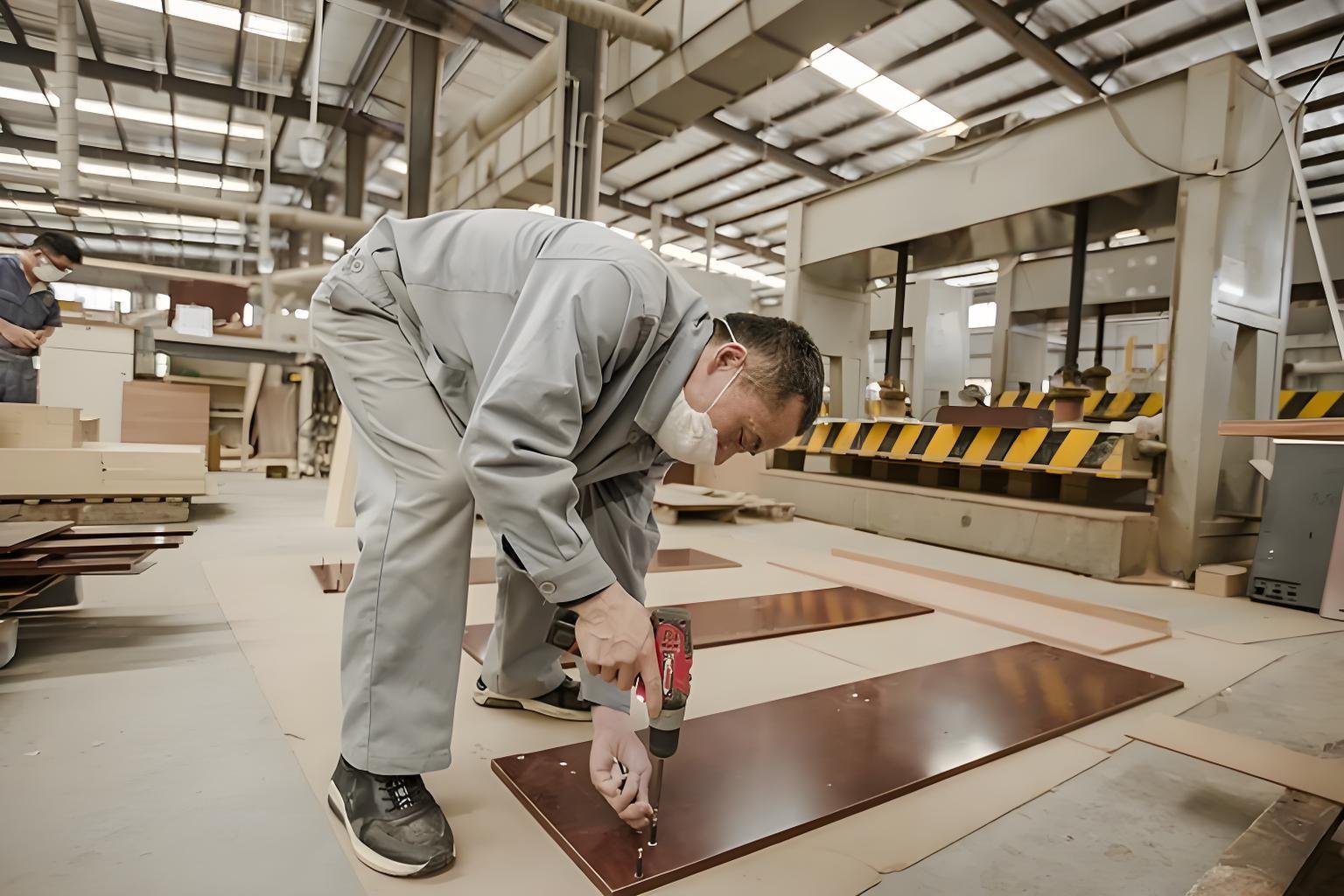
Day three, he’s standing in a 12,000-square-meter facility that reeks of fresh lacquer and something else — desperation, probably, or maybe just Guangdong humidity doing its thing. Turns out the samples? Outsourced. Completely different workshop. The “factory” he’d been romancing for six months was basically a showroom with a loading dock and a WeChat account. He still placed the order. (They always do.)
Six months later, the container hits Florida. Headboard panels that don’t match the swatches. Nightstands missing soft-close hardware. And a line item on the final invoice — “mold remediation” — that nobody mentioned in any email, ever. That $380,000 project? $520,000 by the time he stopped bleeding. And here’s what kills me: every single mistake he made was obvious. To anyone who’d actually spent time on the ground, anyway.
China furniture sourcing isn’t broken. Your expectations are.

The Brutal Truth
Most buyers who get torched in China aren’t victims of scams. They’re victims of convenience. They treated a manufacturing ecosystem that’s been evolving for three decades — spanning two thousand miles of industrial zones, three tiers of subcontractors, and a business culture where “yes” can mean anything from “absolutely” to “I heard you speak” — like it was an Amazon Prime checkout.
You can’t add-to-cart your way through this.
Here’s the rule of thumb that cost me about $80,000 in early mistakes to learn: If a price in Foshan looks too good to be true, it’s not a deal. It’s a different product wearing the same clothes.
The factories aren’t lying. You’re just not fluent in the language yet. And until you are? You’re not sourcing. You’re gambling with a shipping container.
Key Takeaways
- China furniture sourcing rewards the buyers who show up. Email warriors get what they deserve.
- The real cost isn’t the unit price — it’s the gap between what you wrote down and what the factory actually read.
- Buy furniture from China only works when you treat it like relationship management, not a transaction.
- The mid-sized specialists — the ones too small for flashy trade show booths — often deliver the most consistent results. But they need babysitting.
Mistake 1: You Fell in Love With a Sample
The Movie Trailer Problem
A Chinese furniture sample is like a movie trailer. Best scenes. Polished edits. The one-liners that land. What you don’t see? The third act where the plot collapses under its own weight.
I’ve watched buyers stroke sample headboards in Dongguan showrooms like they’re petting puppies. Already mentally placing them in Four Seasons suites. Never asking who built it. Never asking whether the same hands — hell, the same building — will touch the production run.
In my experience, maybe 30% of mid-tier Pearl River Delta factories outsource their sampling to dedicated sample shops. These places exist for one reason: build one perfect unit that wins the PO. The actual production? Different facility. Different humidity. Different machines. Different quality standards entirely. Buyer never knows. Factory never tells unless asked.
And here’s what stings: the factory thinks they did their job. They delivered a sample. One unit. Perfect. The disconnect? That’s on you. You assumed “sample” meant “prototype of the production line.” It doesn’t. Not even close.
The real kicker? Samples don’t lie. Buyers just want them to.
The Same Factory Myth
Walk into any building in Shunde. Brand name on the door. Glossy catalog. Sales team in matching polos. Walk around back? Three, four smaller workshops feeding into the main facility. Some factories are coordinators. They assemble. They finish. They don’t always fabricate from scratch.
Actually — wait. That’s not quite right. What most buyers miss is that networked production isn’t inherently bad. Plenty of excellent furniture gets made this way. The problem is your assumption of vertical integration. You didn’t ask. They didn’t tell. And if you don’t know which workshop handles which component, you can’t audit the weak link. Because there always is one.
Mistake 2: You Wrote a Novel Nobody Read
The 47-Page Disaster
London designer. Anji factory. Forty-seven pages of specs. CAD drawings. Pantone codes. Foam density requirements. A clause about “commercial-grade durability.” Factory signed it. Furniture arrived.
Sofa cushions? Two inches short. Wood stain? Close. Not exact. “Commercial-grade” frame? Held up fine. But the corner blocks were plywood, not hardwood. Designer was apoplectic. Factory was genuinely confused. They’d met every requirement they understood.
The problem? Forty-seven pages of English, translated by a sales rep whose technical vocabulary stopped at “wood” and “good,” became twelve pages of ambiguous intent. “Commercial-grade” doesn’t translate into Mandarin. “Close match to Pantone 7527” becomes “light brown” by the time it hits the workshop floor. And the craftsman? He’s working off a photocopied sheet with a color swatch that got rained on during the cigarette break.
China furniture sourcing lives or dies in the translation gap between your document and the guy holding the chisel.
Photo Theater
Buyers are obsessed with photos. Progress shots. Packing shots. Container-loading shots. Here’s the thing nobody tells you: a photo proves jack. That beautifully finished chair? Frame could be held together with staples and prayers. That pristine packing photo? Staged. The real packing happened five minutes later, faster and sloppier. Photos are theater. You want video. Better yet? You want a body in the room.
Mistake 3: You Don’t Know the Tiers Exist
Three Markets, Not One
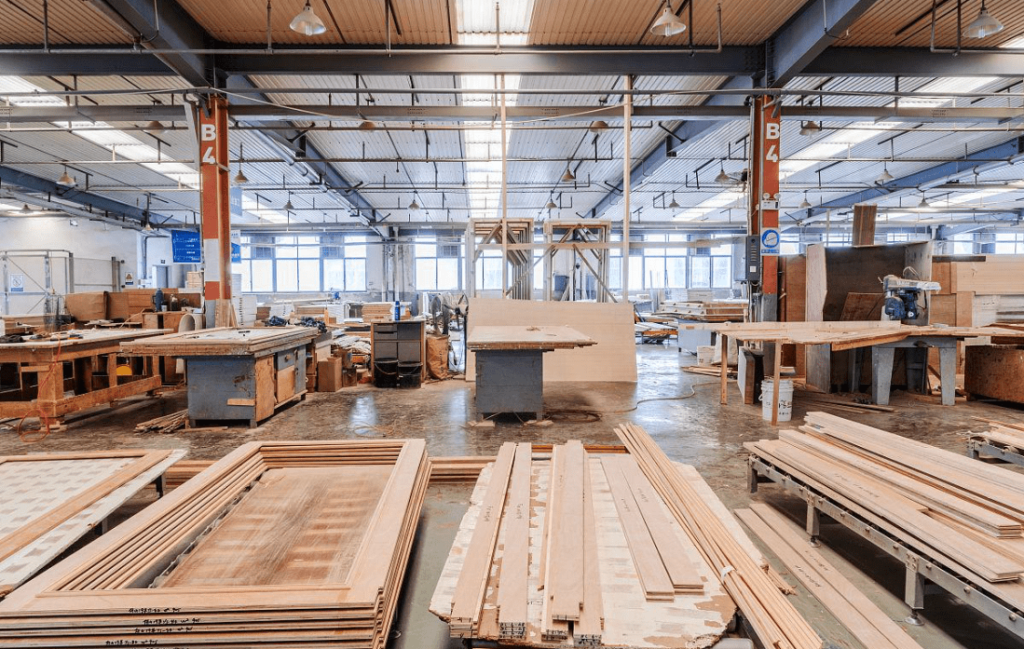
The Chinese furniture industry isn’t a single market. It’s three. At the top, you’ve got the export giants — massive campuses in Shenzhen, Dongguan, ISO certs, in-house design teams, MOQs starting at 500 units. At the bottom, you’ve got the trading companies with no factory, just a WeChat account and a network of subcontractors they barely control. And in the middle? The specialists. That’s where the interesting stuff happens.
While some buyers gravitate toward the big names in Foshan, others find that mid-sized specialists — operations like Interi Furniture, which focuses on hospitality and project-grade casegoods out of Guangdong — offer a completely different risk-reward equation. No flashy trade show booth. But tighter control over their lines. More flexibility on minimums. And here’s what sets them apart: when you call at 10 PM with a production question, you’re not talking to an account manager reading from a script. You’re talking to someone who actually walks the factory floor. That kind of direct access cuts through the noise. The trade-off? They don’t have the marketing budget of the giants. But for buyers who value consistency over spectacle, that’s not a trade-off at all.
The Sweet Spot Nobody Talks About
The buyers who win in China aren’t the biggest. They’re the ones who figured out that the second tier — 50 to 150 employees, one or two product categories they actually own — is where the value lives. These factories don’t advertise on Alibaba. No English website. They survive on word-of-mouth and repeat business from buyers who got burned by the giants’ subcontracting shell games.
Finding them, though? That requires something most procurement departments won’t sign off on: time on the ground. Not a trade show sweep with a driver and a translator checking their phone. Real time. Sitting in a workshop. Watching glue dry. Asking why that clamp is positioned that way, and getting a shrug that actually means something if you know how to read it.
Mistake 4: You Think QC Is an Event
The Inspection Fantasy
Third-party inspection feels like buying insurance. Three hundred bucks. A guy shows up for a day. You get a report with photos and pass/fail boxes. Clean. Documented. Useless if it’s your only touchpoint.
One inspection on loading day catches problems too late. By then, the factory’s sunk materials, labor, overhead into your order. You reject the shipment? You’re not doing quality control anymore. You’re negotiating. And the factory knows you have a deadline. Knows you don’t have a backup. Knows “reject” is a word you literally cannot afford to say.
The only inspection that matters is the one that happens while the furniture is still in pieces on the bench.
AQL? Good Luck
Some buyers swear by AQL sampling. Industry observers estimate fewer than 15% of furniture buyers actually know how to set AQL thresholds for their product category. A sofa isn’t a circuit board. A 2.5% defect rate on stitching might be fine for Walmart. For a boutique hotel in Manhattan? That’s a lawsuit. Or worse — a one-star review that lives on TripAdvisor until the heat death of the universe.

Mistake 5: You Believed the Timeline
The 45-Day Lie
When a factory says “45 days,” they don’t mean 45 days from your PO. They mean 45 days from when they have everything. Your deposit. Your confirmed samples. Your final material approvals. And a production slot that isn’t already occupied by the German hotel chain that ordered 800 rooms six months ago and actually knows how this works.
The gap between “PO signed” and “production starts” is usually 3-4 weeks. Buyers never factor this in. Then they panic. Then they pay a 20% expedite fee. Then they wonder why the quality tanked.
The general pattern? Rush fees don’t speed up production. They just move you to the front of the same queue. Same workers. Same machines. Same potential for disaster. Only now the factory’s annoyed because you’re the client who couldn’t plan. And annoyed factories make sloppy furniture.
The Shipping Surprise
Even if production finishes on time, you’re not done. Customs in Shenzhen or Guangzhou can add days. Vessel schedules shift. Port of LA might have a backlog that adds two weeks. And if you’re buying furniture from China for the first time, you probably didn’t budget for demurrage — the daily fee for keeping a container at the port past your free days. In my experience, roughly one in four first-time buyers gets blindsided by demurrage because they never arranged trucking from the port in advance. That “small oversight”? $150 to $300 per day. Every day. Until someone moves it.
Mistake 6: You Fell for FOB
The Seductive Number
FOB pricing looks clean. One number. One line of responsibility. But FOB only gets your stuff onto the boat. It doesn’t get it to your warehouse. Doesn’t cover duties, tariffs, customs inspections, or the trucking from the port to your project site. I’ve seen buyers calculate their “savings” against domestic pricing using FOB numbers, then look genuinely confused when the landed cost is only 15% below what they’d pay locally.
So what does FOB actually cover? Factory production and packing, yes. Inland transport to the Chinese port, yes. Export customs clearance, yes. But here’s what it ignores completely: ocean freight to your destination, marine insurance, import duties and tariffs, destination port fees and handling, and final-mile delivery to your project site. Every single one of those is your problem once the container leaves Chinese waters.
If you’re comparing China furniture sourcing against domestic options, run your numbers on DDP or at least CIF. Anything less is comparing apples to a forty-foot container.
Mistake 7: You Think They Care About Your Brand
The Incentive Gap
This one hurts. You care about your project. Your reputation. Your client’s satisfaction. The factory cares about shipping the container, getting paid, and moving to the next job. That’s not cynicism. That’s arithmetic. Most Chinese furniture manufacturers run on margins so thin that one delayed payment or disputed claim can erase their entire profit on your order. They don’t have the luxury of “brand partnership.” They have the urgency of cash flow.
What tends to happen: the factory prioritizes whoever pays fastest, complains least, and orders most predictably. If you’re a boutique hotel, a one-off residential developer, a designer with a single high-end project — you’re not their biggest concern. You’re a good customer. But you’re not the customer. And that distinction shows up in small ways. Slower email responses. Less willingness to redo a defective piece. More resistance on warranty claims.
The factory isn’t your partner. They’re your supplier. And that difference? Everything.
The Pre-Flight Checklist
Before you sign anything, run through this. Not in your head. On paper. With a pen.
- Visit the factory — or send someone you trust who speaks the language and knows what a dovetail joint looks like. A Zoom call with a sales rep is not a factory visit. It’s a sales call.
- Ask who built the sample — which workshop, which foreman, which shift. Vague answers mean the production run will be different. Count on it.
- Write specs with photos, not just words — and have them translated by someone who understands furniture, not just Mandarin and English. Your cousin who studied abroad for a semester doesn’t count.
- Three inspections minimum — pre-production (materials), mid-production (frames and assembly), pre-shipment (finish and packing). One inspection is theater. Three is actual control.
- Get a DDP quote, not just FOB — know your real landed cost before you compare against domestic options. Otherwise you’re lying to yourself.
- Build 30% buffer into your timeline — not because factories are slow, but because ports have bad days, boats get delayed, and life is fundamentally unpredictable.
- Negotiate payment terms that keep them invested — 30/70 deposit-balance is standard, but consider holding 10% until after installation. Yes, they’ll resist. That’s the point. If they won’t agree, it tells you something about their confidence in their own product. Listen to that.
Red flag that goes against everything you’ve been taught: If a factory agrees to every term immediately — every inspection point, every penalty clause, every demand — worry more, not less. Reasonable pushback means they understand risk. Total compliance often means they have no intention of honoring the agreement anyway.

FAQ: The Questions Buyers Actually Ask
Q: Can I buy furniture from China without ever visiting a factory?
A: Technically, yes. Practically, you’re asking for pain. Anything over $50,000? Get on a plane. The money you “save” skipping the trip gets spent tenfold on problems you can’t see from a photo album. Under $10,000? Use a trusted trading company with a track record. Direct factory contact for small orders is like performing your own dental work. Possible. Not recommended.
Q: How do I know if it’s a real factory or just a trading company?
A: Ask for a video walkthrough of the production floor, not the showroom. Ask to see dust. Half-finished pieces. Clutter. Real factories are messy. Trading company “factory” videos are always suspiciously clean, like a hospital. Also check their business registration — trading companies and manufacturers hold different license categories in China. Takes five minutes. Do it.
Q: What’s the minimum order that makes China furniture sourcing actually worth it?
A: Depends on your pain tolerance. For most project buyers, the break-even is around $30,000 to $50,000 landed value. Below that, logistics complexity, inspection costs, and communication overhead devour your savings. For residential buyers, the math shifts — you’re buying for personal use, not margin, so “worth it” is about uniqueness and customization, not unit cost.
Q: Do Chinese factories actually honor warranties?
A: Sometimes. But a warranty is only as good as their willingness to ship replacement parts across an ocean six months later. For project buyers, the real warranty is whatever you negotiate into the contract with specific remedies — not the standard one-year “defects covered” language that sounds great on paper and means absolutely nothing when you need a sofa re-upholstered in Chicago.
Q: Is it true that you get what you pay for in China?
A: Yes, with a twist. The price-to-value ratio is excellent, but it’s not magic. A $200 sofa from Longjiang is a $200 sofa. Might look like $800 in a photo. Won’t last like one. The mistake isn’t buying cheap. It’s expecting cheap to perform like expensive. That’s on you, not them.
The Hard-Earned Lesson
Fifteen years of walking factory floors. The pattern is clear. The buyers who thrive in China aren’t the smartest. Not the biggest. They’re the ones who stopped treating this like procurement and started treating it like craftsmanship with a supply chain attached. They know that buy furniture from China isn’t a hack. Isn’t a loophole. It’s a skill. And like any skill worth having, it costs you something to learn.
The question isn’t whether you can afford to source furniture in China carefully.
It’s whether you can afford not to.