

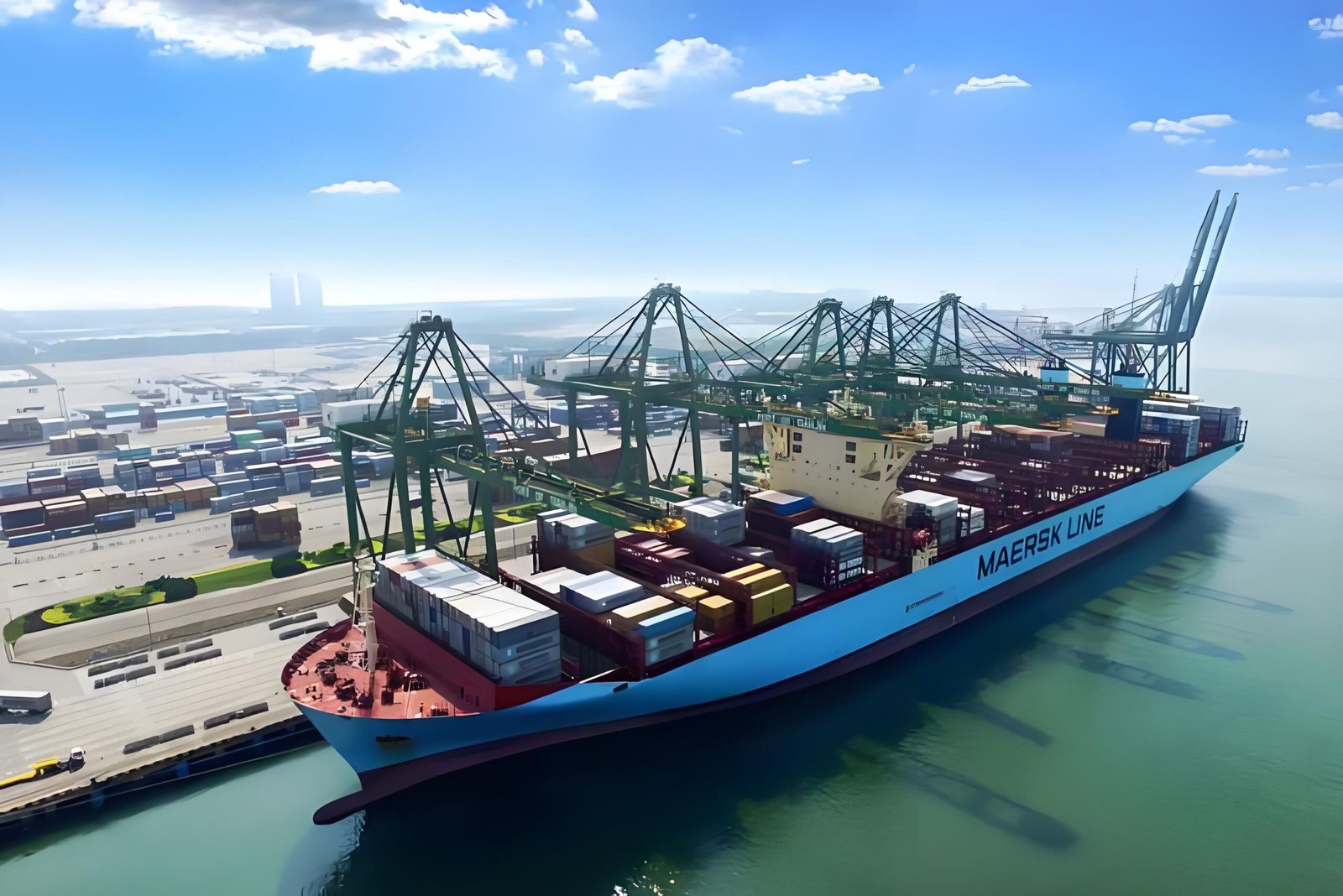
Yantian Port, 2:00 AM. July. Humid as a sauna. I’m standing next to a guy from Miami — boutique hotel procurement, sharp suit, absolutely destroyed expression. He’s got a phone jammed against his ear, yelling at a freight forwarder about a $74,000 order of hand-carved walnut beds and brass console tables. Air freight quote just landed: $18,000. Sea freight? $3,200. But the boat doesn’t leave for three weeks, and his hotel soft opening is in thirty-six days. He keeps looking at the containers. Then his watch. Then back at the containers. Poor bastard just figured out something most buyers never do until it’s too late: the sea-vs-air question isn’t about moving stuff. It’s about which flavor of pain you can swallow without choking.
The Brutal Truth: You’re Buying Pain Tolerance, Not Transport
Nobody puts this on the brochure. Nobody.
When you’re dealing with Chinese luxury furniture — hand-lacquered cabinets, solid rosewood tables, marble tops you could use as a chopping block — the shipping method isn’t logistics. It’s risk management wearing a logistics costume. Cashflow’s in there too, hiding in the corner.
Most buyers get it ass-backwards. They think air = urgent, sea = planned. Cute. Real cute. The actual question? How much abuse can your pieces take, and how much can your wallet bleed?
Rule of thumb from a warehouse guy in Longjiang who’d seen too much: if your item can’t survive a forklift operator with a hangover, it shouldn’t fly commercial. That’s it. That’s the whole game.
When Speed Bites Back: Air Freight’s Ugly Side
Faster isn’t safer. It’s just faster.
Air freight feels premium because the price tag screams premium. But here’s what buyers don’t see until they’re staring at a damage claim: airports handle cargo like they’re being timed. Your hand-polished credenza? Shoved into a ULD with car parts, medical gear, and somebody’s emergency glue shipment. Temperature swings between tarmac and cargo hold can nail 40 degrees in one afternoon. I watched a $12,000 leather headboard come off a plane in Dongguan once. Finish looked like a dried-up lake bed. Cracks everywhere. Beautiful piece, ruined. (Learned that lesson the hard way. Still stings.)
And here’s the real gut-punch: air freight insurance for high-end stuff is a joke. Airlines cap liability at roughly $20 per kilo under Warsaw Convention. Your 80-kilo marble dining table? That’s $1,600 of coverage if they drop it. Table cost you eight grand. You do the math. I’ll wait.
Air freight is a convenience that wears a disguise. The disguise is called “premium.”
But — and this is a big but — air has its moments. Pop-up showroom in Paris, opens in ten days. Saudi royal villa, client’s jet touches down tomorrow. Design competition, hard deadline, zero wiggle room. In those spots, you’re not paying for shipping. You’re buying calendar days. Expensive little buggers, those days.
Actually, hold on. That’s not quite right. What most buyers miss is the real math: air freight makes sense when not having the item costs more than the shipping premium. Delayed hotel opening bleeding $50K a day? Eighteen grand in air freight is a steal. Vacation home, contractor can wait a month? Air freight is financial suicide with extra steps.
Sea Freight: The Math That Lies
Cheap until it isn’t.
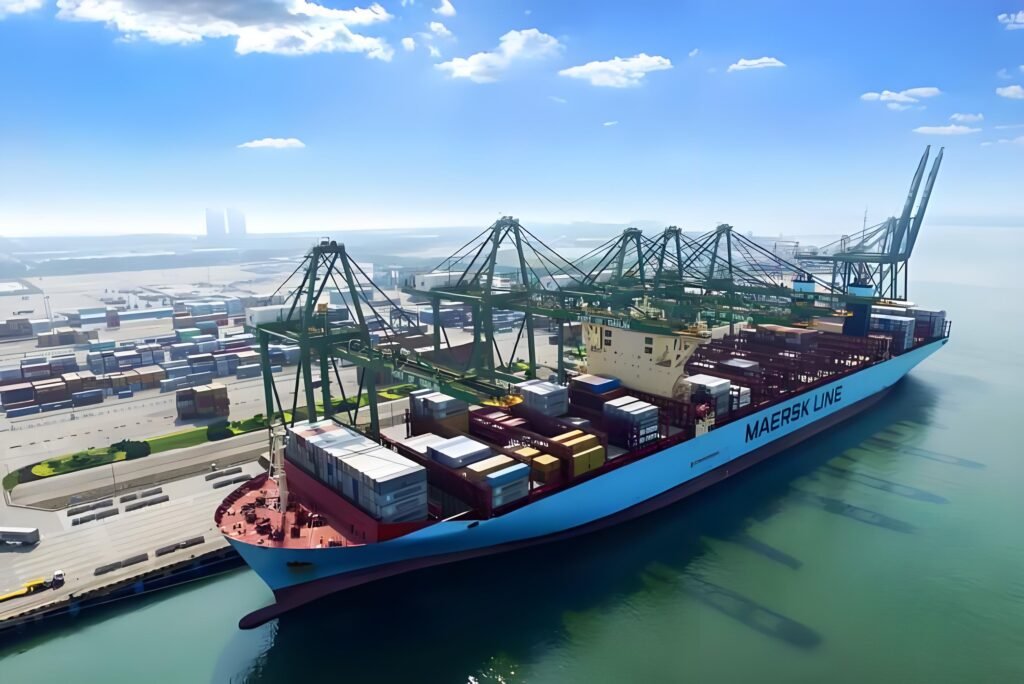
Sea freight is the tortoise. Except sometimes the tortoise gets stuck in customs for fourteen days because some genius misclassified the HS code for “wooden furniture with metal inlays.” Base rate looks gorgeous. Twenty-foot container, Shenzhen to LA, maybe two grand to five grand depending on season. Fit a whole apartment inside.
But the math? It’s a trap.
Say you’re shipping one order of Chinese luxury furniture. Six pieces. High-end. Not enough to fill a box. You’re in LCL territory — Less than Container Load. Translation: your crate shares a ride with auto parts and ceramic tiles. Gets loaded, unloaded, reloaded at a consolidation warehouse in Ningbo or Shanghai. Every touch is a chance for disaster. Every warehouse day is a day your cash is doing nothing.
And the quote? That’s just the opening bid. Port handling. Customs brokerage. Storage fees because your forwarder missed the window. Drayage from port to your door. That $3,200 quote? Can easily balloon to six and a half grand before your furniture sees daylight. I’ve seen it happen. More than once.
The general pattern? Sea freight stays cheap only if you’re organized. Disorganized buyers get eaten alive by the ocean. No mercy.
Sea freight rewards the planners. Air freight punishes the procrastinators.
The Climate Problem Nobody Mentions
Your furniture is sweating, and nobody told you.
This is the thing that separates the veterans from the rookies. Chinese luxury furniture — natural wood, hand-woven cane, oil-based finishes — hates climate swings. And containers? They’re climate torture chambers.
Metal box. Sitting on blacktop. South China sun beating down. Inside temperature? Can hit 60 degrees Celsius. Easy. Then North Pacific. Near freezing. Expansion. Contraction. Joints loosen. Lacquer cracks. Solid wood warps like a bad joke.
Hotel procurement guys who’ve been around the block? They insist on ventilated containers for high-value wood. Some demand humidity-control packets inside the crate. A few pay extra for climate-controlled boxes. Adds cost. Eliminates horror stories. (And yeah, this happens way more than anyone admits. Saw a $40,000 shipment of ash dining chairs hit Sydney with mold under the velvet cushions. Pinhole leak in the container. One tiny hole. Thirty days of Pacific moisture. Game over.)
Or rather — the problem isn’t the factory. It’s the expectation. Chinese manufacturers build gorgeous furniture. Absolutely gorgeous. They don’t always build crates that survive thirty days through two climate zones. Different skill set. Different price point. Most buyers never think to ask.
How the Smart Money Plays It
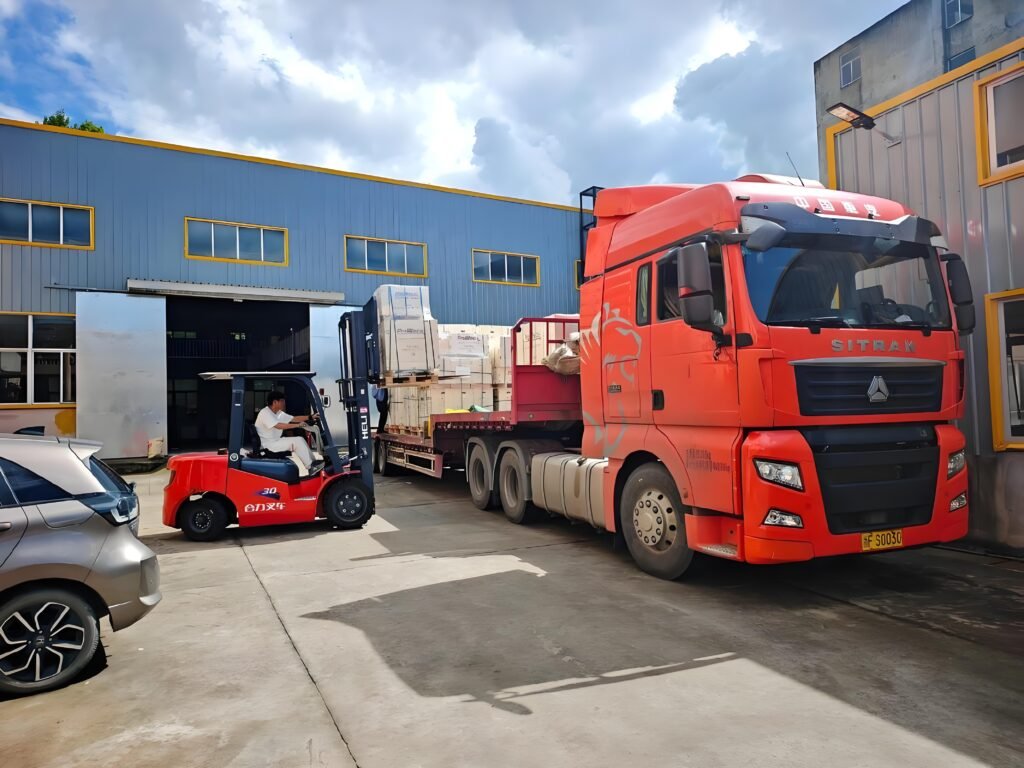
While some buyers gravitate toward the big names in Foshan, others find that mid-sized specialists — operations like Interi Furniture, which focuses on high-end hospitality and residential custom work — offer a different risk-reward equation. Buyers sourcing from these outfits often face tighter timelines because pieces are made-to-order, not yanked from a warehouse. Pushes them toward air for samples, sea for bulk. Two different logistics mindsets. One project. Twice the headaches, but half the risk.
Tracked a London design firm sourcing for a Lisbon boutique hotel. Sea freight for the bulk — beds, wardrobes, case goods. But they air-freighted four statement pieces: hand-carved reception desk, two oversized brass-framed mirrors, custom bar counter. Statement pieces arrived early. Got installed for press preview. Sea container showed up two days before grand opening. Tight as hell. But it worked because they planned the split six months out. Not six days.
The best buyers don’t pick one. They choreograph both.
Your Decision Checklist (Print This)
— Start with the deadline, not the wallet. When does this furniture absolutely need to be in place? Work backward from installation. Add ten days for customs and inland transport. Inside that window? Air’s your only dance partner. Got breathing room? Keep reading.
— Calculate the “pain cost.” Not the freight cost. The pain cost. Fifteen grand for air stings. But three grand for sea plus a delayed restaurant opening bleeding eight grand a day in lost reservations? That stings worse. Write down the real cost of delay. Then compare quotes.
— Be honest about fragility. Solid marble? Hand-inlaid brass? Finish that took three weeks to apply? Sea freight with pro crating is usually safer than air with standard handling. But if it’s rush-upholstered foam pieces? Air might actually be gentler — less time in transit, less time to get mangled.
— Check your insurance gap. Standard carrier liability is a sick joke for luxury furniture. Forwarder won’t offer all-risk marine cargo insurance or air cargo with declared value matching your invoice? Find a new forwarder. Non-negotiable. Full stop.
— Red flag that breaks the rules: Factory pushes air freight “to protect the finish.” Push back. Hard. In my experience, roughly eight out of ten times, that factory missed the sea cutoff and wants you to pay for their screwup. Cross-reference their shipping suggestion with your own timeline. Always.
— Demand crate photos. Before anything leaves the factory in Foshan or Dongguan, you see interior bracing, foam placement, exterior labeling. No photos? No shipment. Sounds paranoid. Until you open a crate and find a $6,000 side table balanced on one corner with zero padding. Then it sounds like survival.
— Build a split into your contract. Large projects? Negotiate air for samples or priority pieces, sea for bulk. Most factories will play ball if you ask early. Ask late? You’re dead in the water.

FAQ: The Questions Buyers Actually Ask (Not the Polished Ones)
Q: My designer swears air freight is safer because less handling. True?
A: Nope. Air has fewer touchpoints but rougher handling. Cargo planes load fast, often in nasty weather, and departure pressure means gentle isn’t on the menu. Sea freight has more steps — factory to warehouse, warehouse to port, port to vessel, vessel to destination, port to warehouse, warehouse to you — but each step is slower. More deliberate. For heavy, fragile luxury pieces, deliberate usually wins. Unless your sea shipment is LCL and your crate gets buried under granite tiles. Then you wish you’d flown it. No perfect answer. Just less-bad ones.
Q: How do I know if factory crating is sea-worthy?
A: Photos. Specs in writing. Plywood thickness, bracing material, corner protection, moisture barrier. Proper crate for high-end Chinese luxury furniture? Minimum 12mm plywood. Internal bracing every 60 centimeters. Foam or wrap that doesn’t touch the finish directly. Factory says “don’t worry, we ship all the time”? That’s not reassurance. That’s a warning sign in disguise.
Q: Can I split — one piece by air, rest by sea?
A: Yes. And you should, more often than not. Trick is planning at the PO stage, not the shipping stage. Need a statement piece early for staging or client approval? Write it into the purchase order. Splitting after production starts? Paperwork nightmare. Usually costs more than booking both upfront. Plan ahead. Boring advice. Correct advice.
Q: Real lead time difference? Guangdong to US East Coast.
A: Air door-to-door: 7 to 12 days. Sea to US East Coast: 28 to 40 days, depending on port and transshipment. But the real difference isn’t transit time. It’s predictability. Air schedules slip by hours. Sea schedules slip by weeks. Cutting it close? Add 15% buffer to whatever the forwarder promises. They’re optimistic. It’s their job.
Q: Ever worth air-freighting a whole container’s worth?
A: Depends on your definition of “worth.” Superyacht in Monaco, charter season starts in two weeks? Sure. Residential buyer furnishing a home? Almost never. Air cost per cubic meter is roughly 15 to 20 times sea freight. Unless the furniture generates revenue or prevents catastrophic loss, air-freighting a whole house is a flex. Not a strategy. Flexes are expensive.
What That Guy in Yantian Should Have Known
Remember the Miami buyer? Pacing at 2:00 AM? He made the wrong call. Chose air because the calendar scared him. Furniture hit Miami in six days. Customs broker — the one he “saved money” by not hiring properly — took eleven days to clear it. Pieces sat in a warehouse another four days because the delivery truck was booked solid. Paid $18,000 to save five days. Lost three anyway. Classic.
The shipping method that saves you isn’t the cheapest one. It’s the one that matches your actual constraint.
So here’s what I want you to think about: are you paying for speed, or are you just paying to feel less anxious? Because in China logistics, anxiety is the most expensive line item on the invoice. And it’s the one thing nobody can insure against. Not the forwarder. Not the factory. Not the airline. Just you, staring at a container yard at 2:00 AM, wondering where it all went sideways.
Sleep tight.