

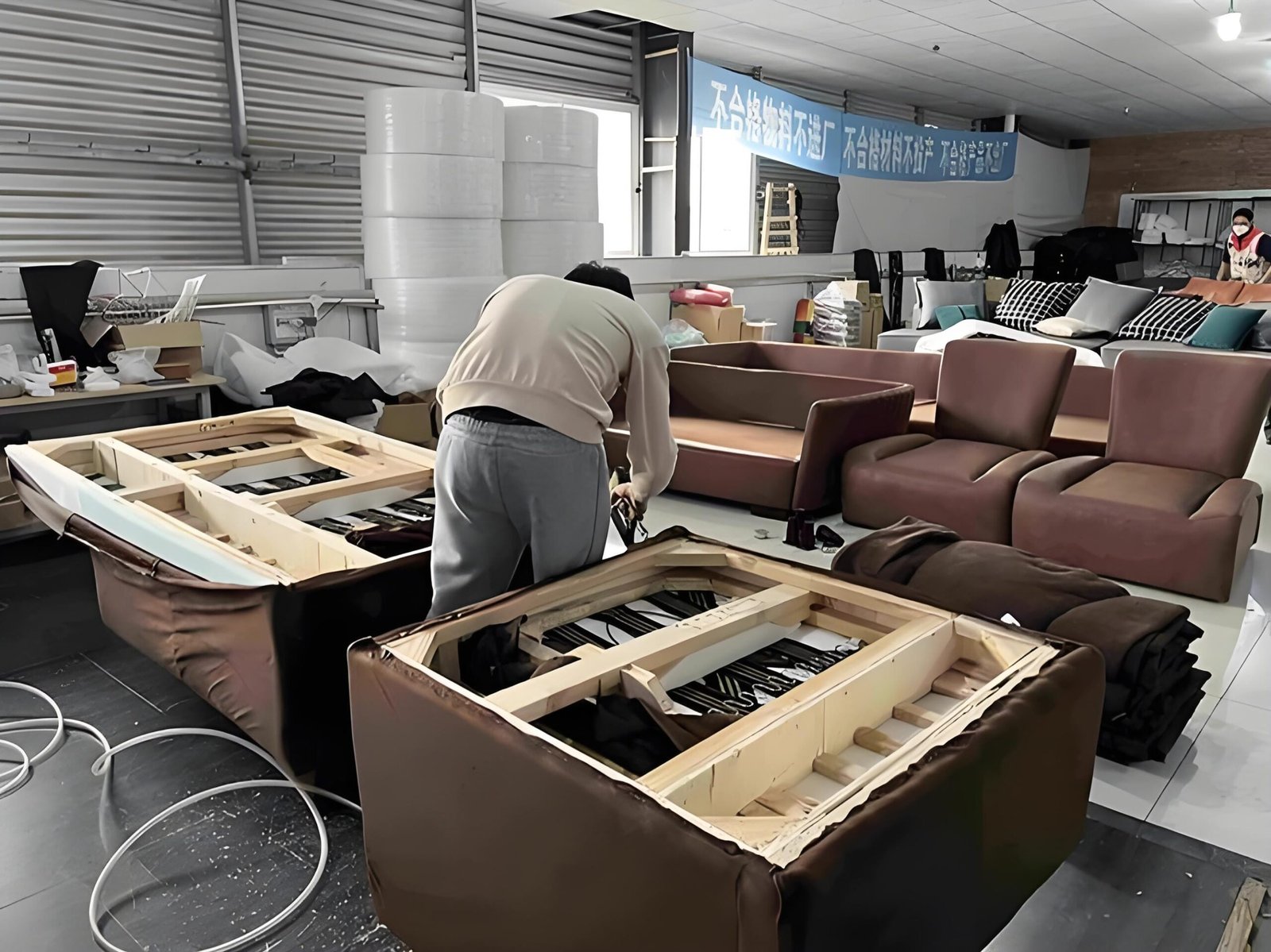
March 2025. Foshan, Lecong. Sarah Chen, an interior designer from Brooklyn, walked into the same factory she’d visited every spring for eight years. The owner, Lao Chen, greeted her with tea and a shrug. “That chair you always ordered? Forty-two dollars last time. Sixty-seven now.” Same timber. Same upholstery workshop three blocks away. Same port in Shenzhen. Sarah wasn’t being gouged. The factory had simply stopped wanting to make them. Three years ago, this plant ran two shifts stamping out dining chairs for a big-box American retailer. Now, half the floor was dedicated to custom hotel loungers for a Dubai developer. The other half? Electric recliners bound for Riyadh. Workers who used to assemble $89 sofas in twenty minutes were now hand-stitching leather for a boutique hotel chain in Jeddah. The mid-market, high-volume game that built modern Guangdong is evaporating. And if you’re still sourcing furniture from China the way you did in 2019, you’re negotiating with a ghost. (I learned this the hard way in Dongguan—what looks like inflation is often just indifference.)
The Brutal Truth Nobody Tells You at the Canton Fair
Most buyers think “Chinese furniture factory” means one thing. It doesn’t. It never really did, but in 2026, the split is surgical.
You’ve got Universe A: massive compounds in Longjiang, Foshan, still pumping out $14 bar stools and $89 sofas by the container. Thin margins. Brutal turnover. Buyers who treat purchase orders like lottery tickets. Then there’s Universe B: mid-sized specialists with 80 to 200 workers, ISO certifications they actually paid attention to during the audit, and a waiting list. They’re not interested in your 50-piece living room set. They want your 200-room hotel project. Or your boutique restaurant chain. Or your architect-specified residential tower.
The uncomfortable reality? The middle is hollowing out. Fast.
If you can’t explain your target price, quality tier, and inspection standard in three sentences, you aren’t ready to fly to Guangzhou. You’re just browsing. And browsing gets expensive.
Here’s a rule of thumb that’ll save you more than any consultant: The factory that answers your email in ten minutes at midnight is usually the one you should worry about. The one that takes two days to respond because they’re busy running production? That’s where the value lives.
Why Your “Factory Direct” Fantasy Is Costing You Money
Finding a factory online is like using a dating app in a city where half the profiles are fake and the other half are from five years ago. The photos look great. The workshop is “10,000 square meters.” The MOQ is “flexible.” You fly fourteen hours to discover a rented showroom with three sample chairs and a guy who outsources your order to his cousin’s plant in Jiangxi.
That’s the trading company dance. And it’s not always a scam. Sometimes it’s just how the ecosystem works. But if you don’t know which layer you’re talking to, you can’t price the risk.
Here’s the insider map. Foshan—specifically Shunde and Longjiang—is still the beating heart of upholstered furniture. If you want sofas, sectionals, or beds, you start there. But not all of Foshan is equal. The showrooms on Lecong Avenue are retail theater. The real factories are twenty minutes north, down dusty roads where the signage is only in Chinese. (And yes, the food at the roadside canteens is better than anything near the exhibition halls.)
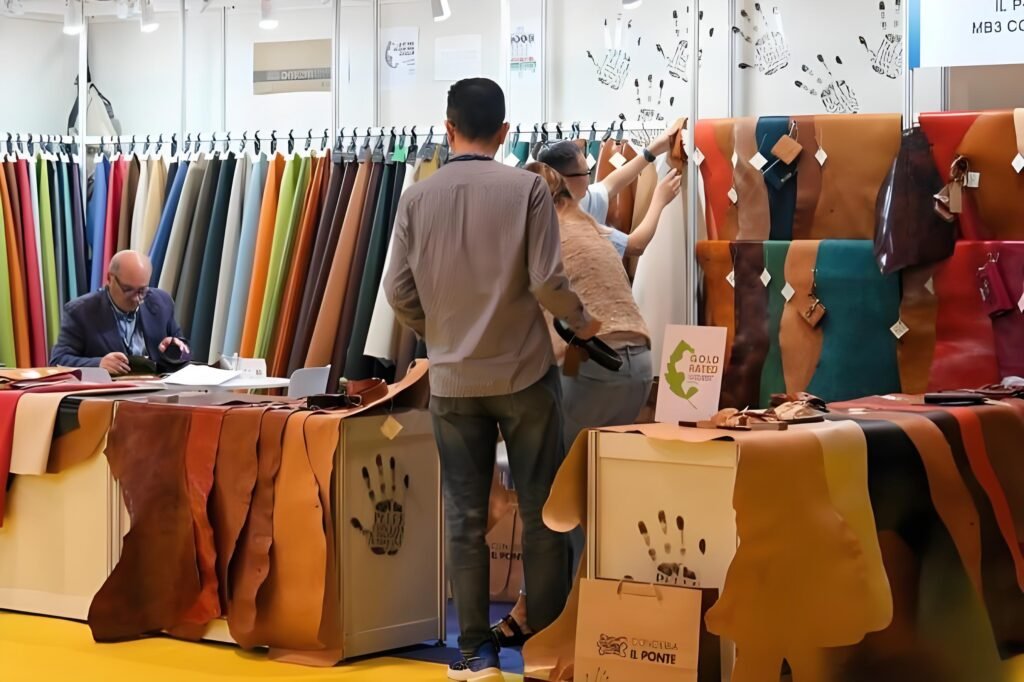
Dongguan, meanwhile, holds the heavy leather and high-end custom work. The factories there grew up serving Hong Kong and Taiwanese bosses in the ’90s. They inherited a different DNA. Tighter QC. Slower production. Higher prices. Anji, up in Zhejiang, is the global capital of office and dining chair components—if your chair has a gas lift, it probably came from there. Nankang in Jiangxi? Solid wood, mid-market, exploding in volume because land and labor are cheaper than Guangdong. Way cheaper.
The factory that invites you to visit their foam supplier before their showroom is the one worth remembering. Everything else is just set dressing.
Can You Actually Trust What You See in the Showroom?
Short answer: No. Long answer: Only if you know what to look for.
The sample room is where hope goes to thrive. That perfectly stitched leather sofa with the hand-tied springs? Built by the owner’s brother-in-law over three days. The production version will be assembled by a team earning piece-rate wages who’ve never met the brother-in-law.
I learned this the hard way in Dongguan. Gorgeous sample. First container arrived with armrests an inch lower than spec. “Oh, that was the old version,” they said. “Workers changed the jig.” The jig. A $40 piece of welded metal that determined the entire geometry of a $1,200 chair. No one thought to mention it.
Actually, that’s not quite right. What most buyers miss isn’t the jig. It’s the process memory. Chinese furniture factories are brilliant at making what you show them. They’re less brilliant at making the same thing six months later unless you lock every variable. Your fabric code. Your foam density. Your plywood grade. Your stitching pattern. If it’s not in writing, in Chinese, with a photo, it doesn’t exist.
And here’s the thing about quality control in 2026: it’s not about catching defects at the end. It’s about preventing the factory from cutting corners you never knew existed. Because they will. Not out of malice. Out of survival. Material costs have climbed. Labor in Guangdong is no longer cheap. Every factory owner is doing math you don’t see.
The New Factory Hierarchy: Who’s Actually Worth Your Time
Let’s talk about how the landscape sorts itself. You’ve got three tiers now, not two.
At the top: the legacy manufacturers. Often family-run, second-generation, usually in Guangdong or Zhejiang. They survived the 2020s by pivoting hard. Some went upmarket. Some went niche. They don’t chase small orders because they don’t have to. Getting their attention requires a serious project, a clear brief, and patience. Lots of it.
In the middle: the specialists. These are the operations buyers in specific segments keep encountering. While some buyers gravitate toward large-scale manufacturers in Foshan for high-volume hospitality runs, others find that mid-sized specialists—operations like Interi Furniture, which focuses on designer-driven contract and residential furniture—offer a different risk-reward equation. They tend to be more responsive on custom specs, more willing to prototype, and often more transparent about their actual capacity. They’re not the cheapest. But for buyers who need consistency across a 150-unit apartment build-out, the premium often pays for itself in fewer headaches.
At the bottom: the opportunists. They’ll say yes to anything. Any material. Any design. Any delivery date. Yes is free. Delivery is where the pain lives.
The gap between middle and bottom isn’t price. It’s communication. A specialist factory will tell you no. An opportunist will tell you yes, then disappear.
The 2026 Sourcing Decision Tree: A Framework That Actually Works
Stop treating this like shopping. Start treating it like hiring. You’re not buying a product. You’re renting a team’s competence for six to twelve months.
Phase 1: Pre-Flight (Do This Before You Book Tickets)
Define your “non-negotiable three” — the three specifications that, if wrong, make the entire order useless. For a hotel project, that might be fire-retardant foam, exact veneer match, and hardware load rating. For residential, maybe it’s just dimensions, color, and comfort. But know them. Cold.
Set your “pain budget” — not just what you want to pay, but what happens if you’re 15% over. If the answer is “project collapse,” you need Tier 1. If it’s “annoying but manageable,” you have options.
Kill the fantasy of “factory direct = cheapest.” It doesn’t. Not anymore. The cheapest route is usually a trading company with razor-thin margins and zero accountability. You save 8% and lose 40% on rework.
Phase 2: On-the-Ground Vetting
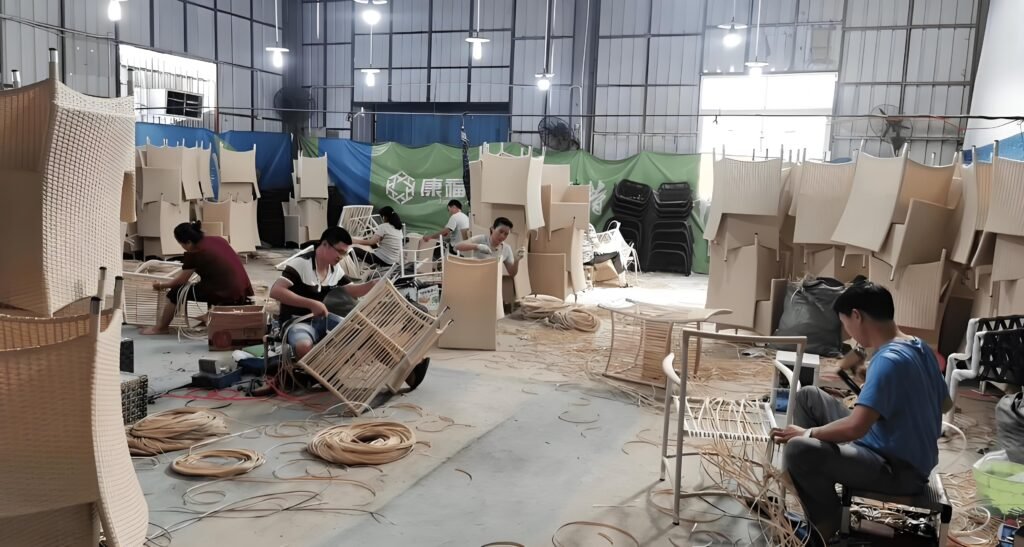
Visit the workshop, not just the showroom. Look for organized material storage (not piles in corridors), posted QC checklists (even if in Chinese), and workers who’ve been there long enough to know their station. If the owner won’t let you past the sample room, leave. Just leave.
Ask to see a current production order. Not a finished sample. Something in process. The messiness of real production tells you more than any polished brochure.
Request a “problem story.” Ask the owner about the last thing that went wrong. How they answer reveals everything. Defensive bluster? Red flag. Detailed explanation with a fix? Green light.
Phase 3: Contract & Control
Pay for a third-party inspection. Not your “guy in Guangzhou.” A real inspection firm. In my experience, it runs roughly $300–$600 per container. One saved container pays for five years of inspections.
Structure payment to incentivize delivery, not just production. 30% deposit, 70% before shipping is standard. But consider holding 10% until post-assembly at your warehouse. It changes behavior. Trust me.
Document everything in a “living spec sheet.” Photos. Swatches. CAD files. Chinese text. Update it after every prototype revision. Email is not a specification.
The Red Flag That Contradicts Conventional Wisdom:
Everyone says “get references.” Useless. Every factory has three happy customers they’ll put you in touch with. Instead, ask for the contact of a buyer who stopped working with them. That’s where the truth lives. If they can’t name one, or if they get angry, you’ve learned enough.

FAQ: The Questions Buyers Actually Ask (But Are Afraid to Voice)
**Q: I’m a small interior design firm with a 50-unit condo project. Can I actually buy direct from a *Chinese furniture factory* without getting ripped off?**
A: Yes, but only if you stop thinking like a small buyer. Fifty units is small to a factory that ships 500 chairs a week. But it’s real money if you present it as a repeatable program. Lead with your timeline, your spec clarity, and your willingness to pay a proper sample fee. The rip-off happens when you act like a tourist. Be a client.
Q: How do I know if the “factory” I’m visiting is really a factory and not a trading company with a rented workshop?
A: Look at the paperwork pile on the owner’s desk. (Seriously.) Real factories have production schedules, material delivery receipts, and worker attendance sheets. Trading companies have purchase orders from other factories. Also: ask what they do with sawdust. A real factory has an answer. A showroom doesn’t.
Q: Everyone says Foshan is the place. Is that still true in 2026, or should I be looking elsewhere?
A: Foshan is still the center of gravity for upholstery and soft goods. But “elsewhere” depends on your category. Solid wood? Nankang is booming. High-end metal and stone? Xiamen and Yunfu. Outdoor furniture? Hangzhou and Ningbo. Don’t fly to Guangzhou because it’s familiar. Fly there because your product category lives there.
Q: What’s a realistic minimum order for custom finishes in 2026?
A: It depends on the factory’s pain threshold, not yours. For a mid-tier specialist, 20–30 pieces per SKU is often the floor if you’re flexible on fabric. For fully custom dimensions, materials, and colors? Fifty to a hundred. Anyone promising full custom at five units is either charging you prototype prices or planning to cut corners you won’t detect until arrival.
Q: Should I still pay 30% deposit, or is that payment structure outdated?
A: It’s alive and well. But the structure matters less than the sequencing. The real question is: what triggers the next payment? Don’t pay 70% on “completion” unless you define completion with an inspection clause. Better still, tie final payment to your third-party QC sign-off, not the factory’s word. It depends on your risk tolerance, but the rule is simple: never pay 100% before you’ve seen proof.
So, What’s the Real Lesson?
After fifteen years of walking factory floors, watching booms and busts, and cleaning up messes that could’ve been avoided with one more question, here’s what I know: The best buyers aren’t the ones who found the cheapest factory. They’re the ones who found the factory that says no at the right time. No to the unrealistic timeline. No to the material substitution. No to the handshake deal.
Sourcing furniture from China isn’t a transaction anymore. It’s a relationship. And like any relationship worth having, it starts with honesty about what you actually need, what you’re actually willing to pay, and what you’ll actually accept if things go sideways.
So before you book that flight to Guangzhou, ask yourself: are you looking for a supplier, or are you looking for a shortcut? Because in 2026, there are no shortcuts. Just better questions.
Safe travels. Bring comfortable shoes.