

Dave called me at 2 AM my time. I was in a hotel in Shunde, half-asleep, aircon rattling like a broken tractor. “They want another eight grand,” he said. No hello. No how are you. Just — eight grand.
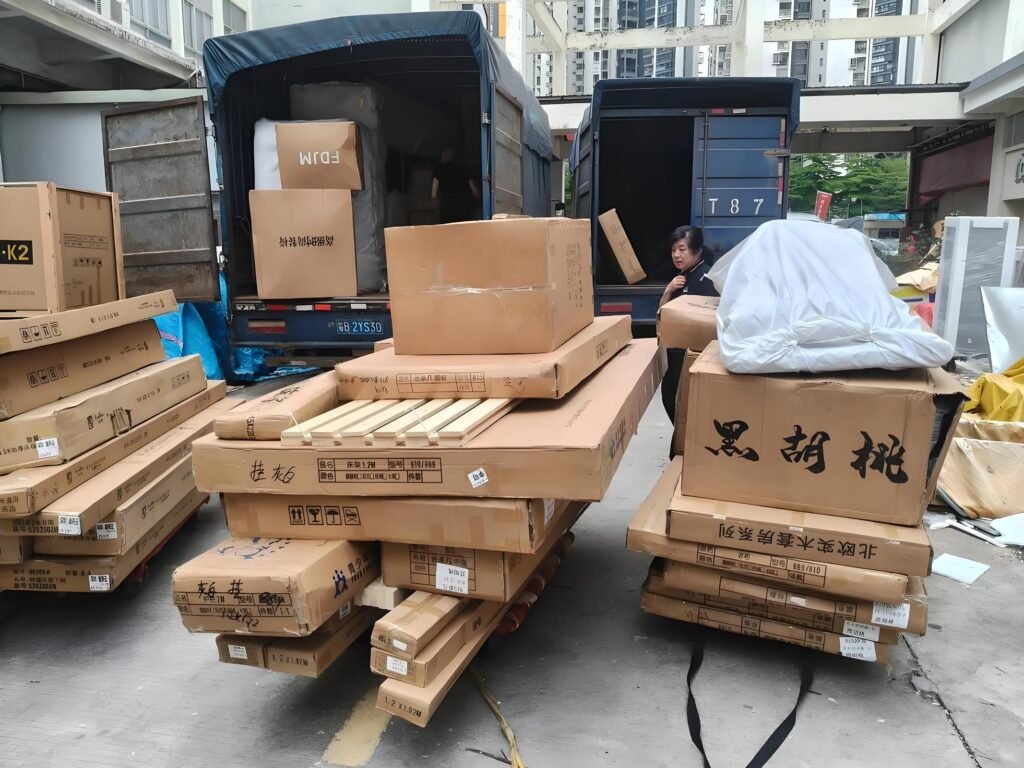
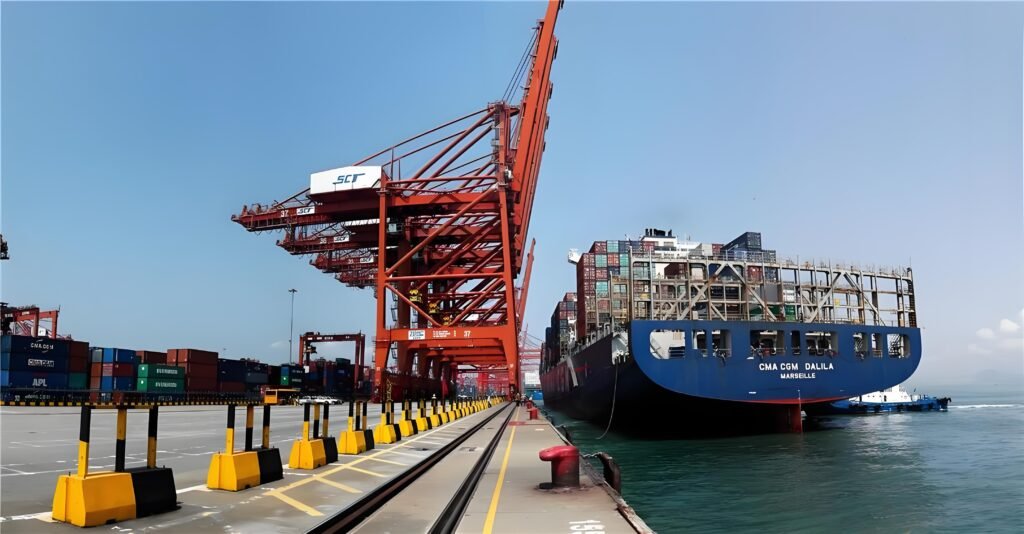
Dave runs procurement for a boutique hotel group in Miami. Six weeks earlier he’d wired a deposit to a factory in Longjiang for forty custom lobby sofas. FOB Shenzhen. Done deal. Or so he thought. Now his container was sitting at Port of Miami, and the freight forwarder had slapped on a line item Dave had never seen: “Section 301 tariff adjustment, retroactive March 2026.” Eight thousand two hundred dollars. For a paperwork screwup. The factory had listed the sofas under 9403.60.80 — wooden furniture. CBP took one look at the steel frames, foam guts, and fabric skin, and said nah. Reclassified. Different code. Different duty. Welcome to Chinese furniture import in 2026.
Dave’s question was the same one I get every month: “How was I supposed to know?”
Short answer? You weren’t. Because nobody tells you. Not the factory. Not the forwarder. Not the guy on LinkedIn posing as a sourcing guru. The tariff rules for Chinese furniture import aren’t in one neat PDF. They’re scattered across Federal Register notices, CBP rulings written in bureaucratic mud, and the war stories of freight brokers who’ve watched this exact disaster unfold a hundred times.
What You Actually Need to Know (Before You Cry)
- Chinese furniture import tariffs in 2026 aren’t a flat rate. They’re a stack. Baseline duty + Section 301 + maybe anti-dumping + CBP’s mood that day. Five percent can become thirty-five percent while you’re not looking.
- The HS code on your factory’s invoice? Treat it like a drunk stranger’s directions. Might be right. Probably isn’t.
- China export tariffs — or rather, the VAT rebate game and Beijing’s quiet policy tweaks — hit your wallet just as hard as U.S. import duties. Most buyers don’t even know these exist until a factory adds a “government surcharge” to their invoice.
- The survivors in 2026? Not the ones with fancy lawyers. The ones who ask about tariffs before they sign the PO. Not after the boat’s already sailing.
The Part Nobody Wants to Talk About
Most buyers treat tariffs like weather. Something that happens to them. They check once, shrug, and hope for the best.
That doesn’t cut it anymore.
The tariff landscape for Chinese furniture import isn’t static. It’s alive. It’s mean. In 2026, baseline MFN rates run from zero to twenty-five percent depending on the product. Then you stack Section 301 — currently around twenty-five percent for most furniture. Then maybe anti-dumping if you’re in wooden bedroom furniture or certain metal seating. Add it up. You’re not paying six percent. You’re paying thirty-one. Forty-one. Or, in Dave’s case, an extra $8,200 because some officer in Miami had a bad Tuesday.
Here’s my rule of thumb. I tell this to every panicked buyer who calls me: If your factory quote doesn’t mention tariffs, three things are happening. They’re eating the cost (unlikely). They’re passing it to you later (probable). Or they genuinely don’t know (terrifyingly common). None of those end well for you.
Why Your Factory’s Paperwork Is Junk
The HS Code Circus
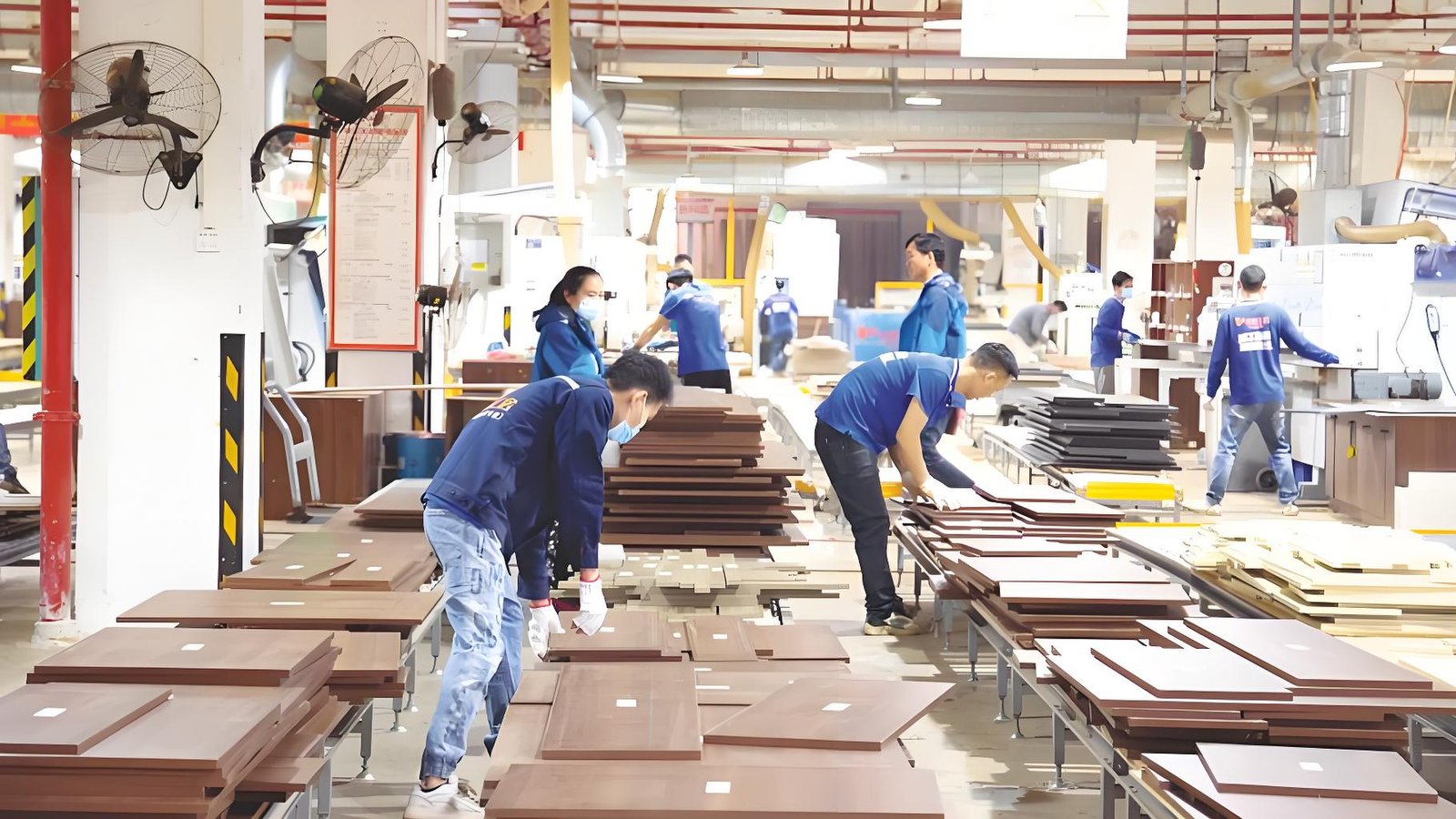
Walk into a factory in Foshan. Shunde District. Any mid-sized place. Ask the sales manager what HS code they’re using for your dining chairs. Nine times out of ten, they’ll rattle off “9403.60” like it’s gospel. They probably have it laminated next to the coffee machine.
But here’s the thing they won’t mention. That code is “wooden furniture.” Your chair? Metal frame. Velvet upholstery. Plastic glides. So is it 9403.30 (metal)? 9403.60 (wood)? 9403.70 (other materials)? In 2026, metal and wood carry different Section 301 profiles. And if CBP decides your “wood chair” is actually “metal with some wood,” you don’t get a friendly email. You get a bill. Period.
I saw this firsthand in Dongguan last November. Sales director. Logistics guy. Arguing over a bar stool — solid wood seat, steel legs. Wood or metal? They couldn’t agree. So they flipped a coin. I’m dead serious. A coin. That stool is probably in a New Jersey warehouse right now, and whoever lost that toss is about to lose a lot more than bragging rights.
And the real joke? The factory doesn’t care. They get paid FOB. Once that container hits the water, the tariff headache is yours. Not theirs.
The China Export Tariffs Blind Spot
Everyone obsesses over what happens when the container hits Los Angeles. Almost nobody asks what the factory paid to get it out of China.
China export tariffs — really, it’s the VAT rebate shuffle and export duty adjustments — are the invisible hand shoving your invoice around. In 2026, China’s still running VAT rebates for most furniture exports. Factories reclaim VAT on raw materials. Lowers their cost base. But Beijing tweaks those rebate rates. Quietly. Sometimes mid-year. Sometimes with no announcement. And when a factory’s running thin margins, that “adjustment” lands on your next quote as a “material cost increase” or some vague “policy fee.”
I learned this the hard way. Three years I’d been working with a sofa factory in Dongguan. Solid relationship. Then April 2026 — bam — prices up eight percent. No warning. No discussion. I pressed the owner. He shrugged. VAT rebate on foam and fabric dropped from thirteen percent to nine percent. “Not my fault,” he said. And fine, technically it wasn’t. But it was absolutely my problem. My budget. My project.
What tends to happen — the pattern I’ve seen over fifteen years — is this. Buyers who understand both sides of the equation, what China charges to export and what the U.S. charges to import, they negotiate better. Not because they’re tariff nerds. Because they ask the right questions before anyone signs anything.
What 2026 Actually Feels Like
The Layered Bill
Think of it like a hotel. Room rate. Resort fee. Parking. Minibar surprise. By checkout, you’re paying forty percent more than the advertised price.
For most upholstered stuff in 2026, the math goes roughly:
- Baseline MFN: 0% to 6.5%
- Section 301: 25%
- Anti-dumping (wooden bedroom): 0% to 216% (I know, insane)
- CBP processing fee: ~0.35%
So your $400 factory sofa? Add freight, insurance, duties. You’re looking at thirty-one, thirty-two percent on top. And that’s the good scenario. If CBP inspects — and they do, especially for first-timers — add storage, exam fees, and the slow death of your forwarder’s patience.
Actually, wait. That’s not even the real problem. The math isn’t what kills you. It’s the timing. Tariffs hit at entry. You sign a contract in January when rates are one thing. Container arrives in June after a mid-year adjustment. You eat the difference. No appeals. No “but the factory said.”
The Reclassification Trap
Some buyers go for the big names in Foshan. Others find mid-sized specialists — operations like Interi Furniture, which does custom hospitality and residential upholstery — and get a different deal. More flexible. More responsive. But here’s the trade-off: smaller often means sloppier paperwork. That flexibility is gold when you need a custom piece in six weeks. It’s poison when their invoice says “furniture, wooden, NOS” and CBP decides to tear open every box.
The ones who get burned? Not the giants with full-time customs brokers. It’s the buyer using the eighty-person factory in Longjiang that makes gorgeous furniture and terrible invoices.
The Buyers Who Don’t Get Screwed
The $350 Insurance Policy
I know a hotel developer in Dallas. Imports maybe two million a year in Chinese furniture import. Her secret? She trusts nobody. Not the factory. Not the forwarder. Not her own team.
Before every big shipment, she pays a customs broker three hundred and fifty bucks. Not to file. Just to read the factory’s invoice, packing list, and HS codes. Three hundred fifty dollars for someone to say, “This is wrong. Here’s why.” She’s saved about forty grand in surprises over two years. That’s a decent return.
Her rule is brutal and simple: If the HS code doesn’t match the product down to material percentages, the shipment doesn’t move.
Most buyers skip this. They assume the factory knows. They assume the forwarder will catch it. In 2026, both assumptions are garbage.
The Contract Move Nobody Makes
Add this to your factory contract: “Seller warrants that all product descriptions, materials declarations, and HS codes on shipping documents are accurate. Buyer withholds final payment until customs clears without surprise duty assessments.”
Some factories sign it. Some won’t. The ones who refuse? Usually the ones playing games with paperwork. Good to know before you wire the deposit.
Your 2026 Survival List
Before you sign anything:
- Get the exact HS code from the factory. Then check it yourself on the U.S. ITC Harmonized Tariff Schedule. Don’t trust their laminated card.
- Demand material percentages in writing. Sixty percent metal, forty percent wood? That matters. Get it on paper.
- Ask if the quote includes any China export tariffs or VAT adjustments. If the sales manager looks confused, that’s your answer. Not necessarily hiding something — just clueless.
- Has this factory shipped to the U.S. before? First-timers make paperwork mistakes that veterans stopped making years ago.
Between ship and arrival:
- Make your forwarder review the invoice against the actual product. Forwarders aren’t lawyers, but the good ones have seen enough bad paperwork to spot disasters.
- Check CBP’s site for mid-year updates. They don’t always make headlines.
- Budget ten percent above your duty estimate. Better to have a pleasant surprise than a heart attack.
When the container lands:
- CBP flags you for exam? Respond immediately. Delays cost $150 a day in storage. CBP doesn’t care about your hotel opening.
- Disagree with a reclassification? You can protest within 180 days. But that means lawyers, documentation, and months of waiting. Most people just pay and curse.
The red flag everyone ignores: A factory offering to “handle all customs paperwork for you” isn’t helping. They’re controlling the story. The buyer who lets the factory write the invoice is the buyer who gets the surprise bill.
Real Questions, Real Answers
Q: So if I buy from China in 2026, I’m automatically paying an extra 25%?
A: Depends. Most furniture gets the Section 301 hit right now, but the list changes. Outdoor pieces, certain metal seating, specific material mixes — sometimes exempt, sometimes different rates. Check the latest USTR exclusion list. And don’t trust a factory rep who says “everything’s 25%.” They’re probably rounding up to cover their own confusion.
Q: Can the factory just put a lower value on the invoice so I pay less duty?
A: No. Hell no. Under-invoicing is customs fraud. CBP has valuation databases. Your $800 sofa declared at $200? Penalties. Seizure. Maybe criminal referral. Plus your factory might be using that fake invoice to grab a bigger VAT rebate back in China. Fraud on two continents. I’ve seen buyers blacklisted for years because a factory talked them into “saving money.”
Q: Tariff versus trade war — what’s the difference?
A: Tariff is a tax. Trade war is two countries slapping taxes on each other until everyone loses. We’re in a long tariff environment, not an active escalation, but the difference doesn’t matter when you’re writing the check. What matters is the rate on entry day. Political headlines about “easing tensions” don’t pay your duty bill. The Federal Register does.
Q: Do I really need a customs broker, or can my forwarder handle it?
A: You need a broker. Forwarders move boxes. Brokers fight with CBP. Some forwarders have in-house brokers — fine. But if your forwarder says “we’ll just use the factory’s paperwork,” find someone else. One-fifty to three hundred per entry. Cheapest insurance you’ll buy.
Q: Is there any Chinese furniture that escapes the extra duties?
A: Some categories, yeah, but it shifts. Mid-2026, certain bamboo and rattan pieces hold lower profiles. Some products with real U.S. content can qualify for duty drawbacks. But these are narrow exceptions, not broad categories. If you’re building a strategy around tariff avoidance, talk to a customs attorney first. “Tariff engineering” — redesigning to fit a cheaper code — is legally risky and usually costs more than just paying up.
What Dave Learned (The Hard Way)
Dave’s $8,200 wasn’t bad luck. It was a failure to ask one question before wiring the deposit: “What if the HS code is wrong?”
The Longjiang factory had called his sofas 9403.60.80. Wooden furniture. But they had steel frames, foam guts, fabric skin. CBP said 9403.70.90. Other furniture. Different duty structure. The factory didn’t know. The forwarder didn’t catch it. Dave didn’t ask.
Or really — the problem wasn’t the factory. It was expecting someone else to manage the risk.
If you’re in Chinese furniture import in 2026, tariffs aren’t an afterthought. They’re the first number in your budget. Before you love the sample. Before you haggle the price. Before you pick the fabric.
Because here’s the truth: the factory gets paid when the container leaves the dock. You get paid when the furniture clears customs and lands in your client’s lobby. The space between those two moments? That’s where tariffs live. And they don’t care if you weren’t paying attention.