

Two hundred grand. That’s the deposit you just wired across the Pacific for a massive run of custom hospitality casegoods.
Let’s revisit how that happened. You were sitting in a pristine showroom in Longjiang. We’re talking high-end faux marble floors, a shockingly decent espresso machine, and a charismatic sales director who goes by “Kevin” (even though his WeChat ID says something completely different). Kevin paraded you past a brightly lit, supposedly ISO-certified assembly line. Every worker wore a matching blue polo shirt. The air smelled faintly of premium wood wax and success. You boarded your flight back to O’Hare feeling like a titan of industry. You finally cracked the absolute maze of global trade, right?
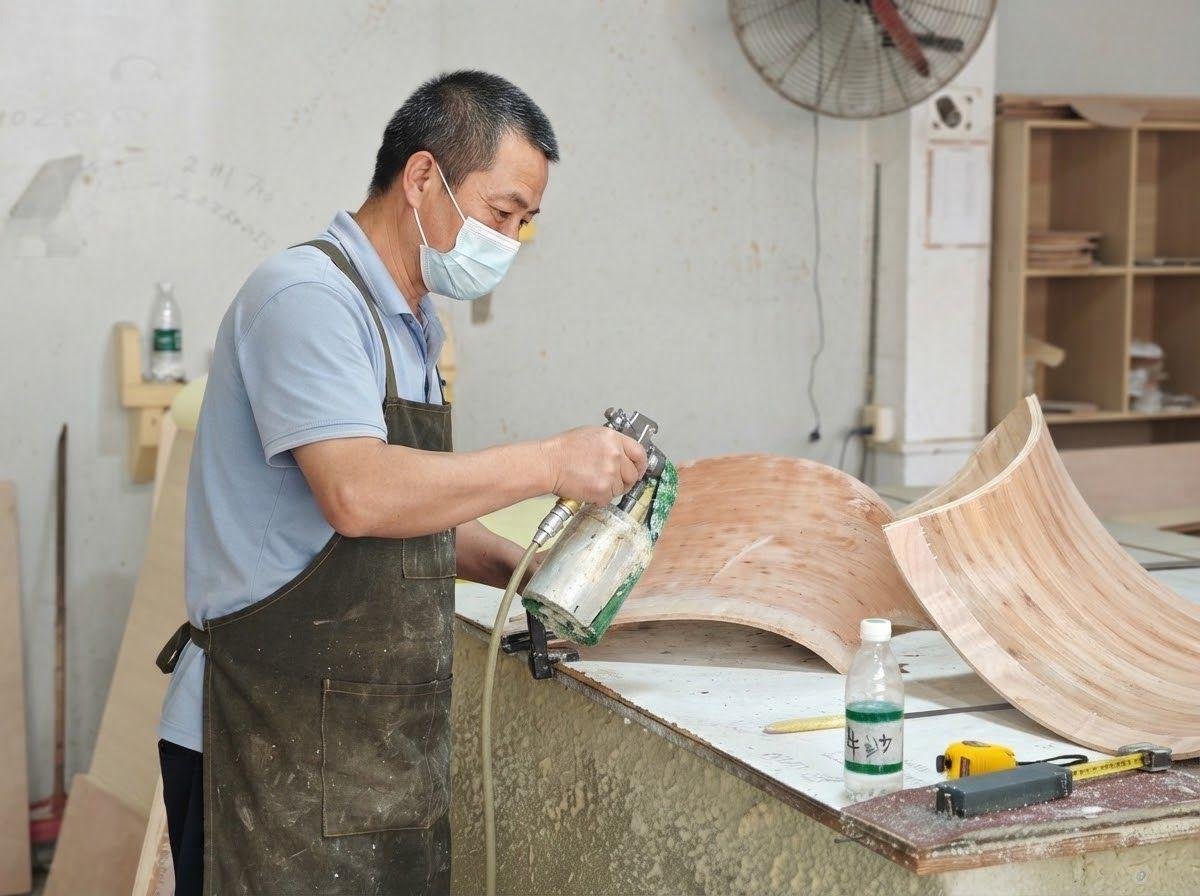
Six weeks go by. Want to know where your premium walnut-veneer cabinets actually are? They’re currently being glued together by a dozen guys chain-smoking cheap yellow Baisha cigarettes over a dirt floor. Inside a corrugated metal shed. Three villages away from the showroom you visited.
Welcome to the ghost factory. And yeah, before you ask—this happens way, way more often than anybody drinking tepid Nescafe at the Canton Fair wants to admit.
That right there is the Chinese workshop scam in its purest form. You paid for the showroom polish, but you actually bought the shed. China factory subcontracting isn’t just some rare streak of bad luck reserved for rookies hunting for bottom-barrel prices on Alibaba. It’s the literal engine room of the furniture export industry. Factory bosses play a ruthless, high-stakes game of capacity roulette every single day. And if you aren’t watching them with absolute paranoia, your brand’s hard-earned deposit is just acting as an interest-free loan to fund their overflow.
The Brutal Reality of Your “Direct” Sourcing Strategy
Let’s just rip the Band-Aid off right now, because someone needs to say it. Your order simply isn’t that special to them.
When a Chinese supplier takes your PO, they do not instantly freeze their best production lines, gather the staff, and sing songs about your incredible brand vision. They look at a messy Excel spreadsheet. They calculate their shifting margins, panic about the impending Lunar New Year labor crunch, and figure out exactly what they can punt elsewhere just to keep their core lines humming.
Rule of thumb: If your production run is weirdly custom, smallish in volume, or you basically bled them dry at the negotiating table? Yeah, there’s about a 70% chance it’s getting kicked down to a tier-three subcontractor.
Nobody is going to ask for your permission. You certainly won’t get a polite email notification about the address change. You think you’re buying into a vertically integrated powerhouse. What you’re actually getting is the unpredictable output of a fragmented, totally unregulated, decentralized mess.
Here is how the hustle actually goes down on the ground. The main factory boss accepts your order because turning down money—or admitting they don’t have the floor space—causes a massive loss of face. Plus, they desperately want your 30% deposit to float other failing operations. So they take the job. They skim twenty percent right off the top for doing absolutely nothing but forwarding your emails, and then they outsource the actual heavy lifting to a guy named Mr. Chen. Mr. Chen’s “factory” is basically a heavy-duty tarp stretched over a muddy courtyard in Houjie.
The Ugly Truth About China Factory Subcontracting
- The institutional bait-and-switch: The big players are essentially acting as shadow brokers. They hook western buyers with the polish, then dump the actual labor off-site to kill their own overhead.
- Your specs are toilet paper: A sub-tier workshop has absolutely zero relationship with your brand. That 15-page technical manual you spent weeks translating? It’s basically a coaster for someone’s tea.
- Baked-in deniability: When the cracked joints and peeling veneer show up in your warehouse, the main factory will blame “unprecedented humidity changes in ocean transit.” They will literally never admit they didn’t build the stuff.
Anatomy of the Hustle: A Matryoshka Doll of Lies
Think of it like booking a table at a Michelin-star steakhouse. You sit down, order the wagyu, and pay top dollar. Only later do you realize the kitchen was quietly having your meal cooked in a rusty food truck parked out back, by a guy who isn’t even a licensed chef.
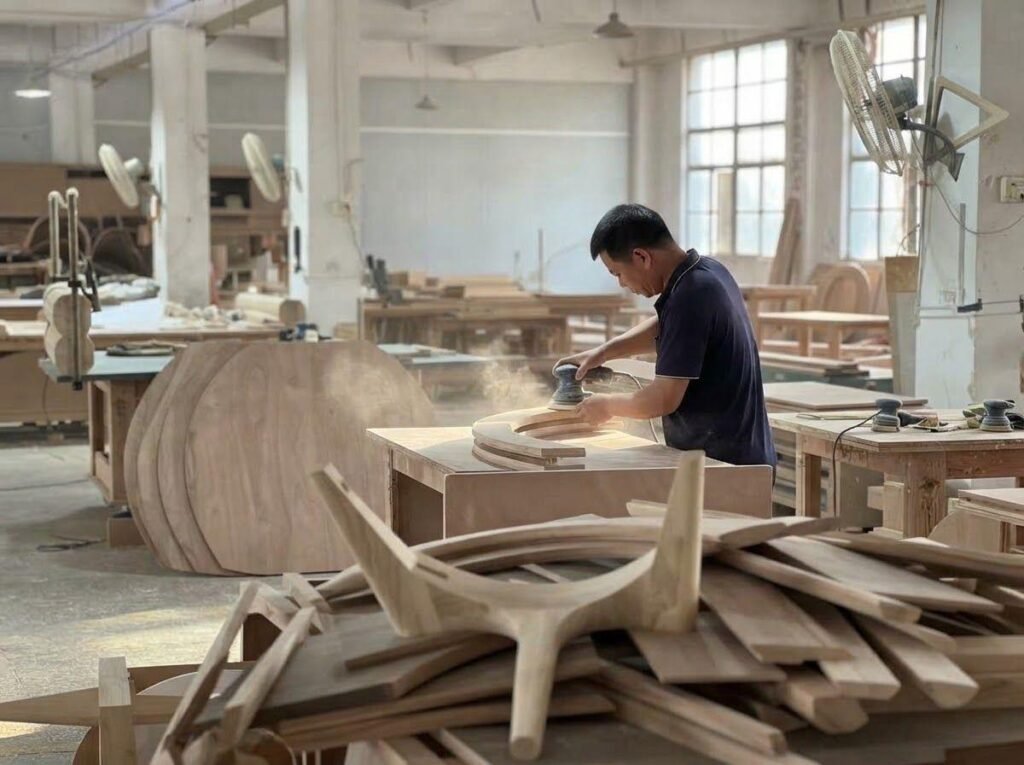
Actually, wait. Scratch that analogy—it implies some sort of malicious, movie-villain intent. The reality is far more boring and bureaucratic. Most of the time, the main factory is just choking on their own terrible planning. They bite off way more orders than they can physically swallow before a major holiday. To clear the backlog without blowing cash on official overtime for their registered workers, they farm the mess out to these unregulated family operations.
Total charade.
I was sweating through my shirt doing a surprise DUPRO (During Production) audit in Zhejiang a couple of years ago. I walked into what was supposed to be a dedicated upholstery line for a massive US hotel project. We’re talking 800 custom lounge chairs. The factory floor was completely dead. Pitch black. Not a single staple gun firing. The owner didn’t even flinch. He just tossed me a cigarette, fired up his car, and drove us twenty minutes away into a chaotic residential maze where Google Maps goes blank.
We ended up watching local farmers—literally guys who had been picking vegetables that morning—staple cheap, paper-thin polyester to raw, un-kilned MDF frames in a literal driveway. The street was clogged with flatbed trucks dropping off recycled foam scraps that looked like dirty confetti.
I turned to the boss and asked what happened to the high-density CA117 fire-rated foam we explicitly contracted for. He just shrugged at me. “Too expensive for this timeline,” he said. “This is good enough for hotel rooms.”
China factory subcontracting absolutely ruins your product because the shadow shop’s only goal is speed. They will completely torch whatever quality benchmarks you painstakingly negotiated just to load the truck by Friday.
Why Do They Risk It?
Cash flow. And flexibility. Running a legit factory with a thousand legally employed workers, mandatory government pension contributions, and expensive exhaust scrubbers costs an absolute fortune. By keeping their official headcount artificially low and tapping into these ghost workshops during production spikes, bosses turn their massive fixed labor costs into flexible variables.
You, the buyer, eat the entire quality risk. They get to keep their margins fat. It’s a brilliant business model, honestly—assuming you don’t care about your furniture falling apart in a Miami hotel lobby six months later.
Reading the Invisible Tiers of Manufacturing
China furniture sourcing is the process of navigating a hyper-fragmented manufacturing base where the entity invoicing you is rarely the sole entity building your product.
You need to know exactly who you’re dealing with before you wire a single cent. The ecosystem is heavily layered, and you need to know your place in it.
| Production Tier | The Reality on the Ground | Risk Level | Your Actual Leverage |
| Tier 1: The Behemoths | 1,000+ workers. Heavy automation. Spotless showrooms. Strict export compliance. | Low for massive brands. High for small buyers. | Zero. Unless you drop 50+ containers a month, you don’t matter. |
| Tier 2: Mid-Sized Specialists | 100-300 workers. Niche expertise. You can actually see sawdust flying on-site. | Medium | High. Your order actually pays their light bill. |
| Tier 3: The Shadows | Five guys in flip-flops. Zero ventilation. Dirt floors. Hidden in residential zones. | Extreme | None. You don’t even know they exist until the containers arrive. |
Look, I’m not saying all outsourcing is the devil. Let’s be real here for a second. A guy who makes solid wood dining tables shouldn’t be casting his own brass feet. Outsourcing hardware, glass tempering, or highly specialized powder coating? That is totally normal, standard practice anywhere in the world.
The scam kicks in when the core assembly and finishing—the very things you hired them to do—get tossed out the back door. That’s when your dining tables arrive looking like warped skateboards because the shadow workshop skipped the 14-day kiln-drying process to save a few hundred RMB on their electricity bill.
Finding the Sweet Spot: The Risk-Reward Equation
So where do you actually park your money without getting burned?
If you go too big and contract a Tier 1 massive conglomerate in Foshan, your tiny three-container order is just an annoyance to them. They’ll probably farm it out to a Tier 3 shed just to get it off their desk without losing face. But if you hunt for the absolute lowest price on the internet, you’re dealing with pure trading companies that rely 100% on the Chinese workshop scam to survive. They don’t even own a screwdriver, let alone a factory.
This is exactly why grizzled procurement directors aim straight for the middle of the pack.
Some buyers get completely blinded by the giant conglomerates because the showrooms look like luxury car dealerships. But honestly? Mid-sized operations—places like Interi Furniture, who do a ton of heavy lifting in the hospitality and project space—often make way more sense for custom runs. These mid-tier factories have the actual machinery and in-house labor to do the real work, but they aren’t so massive that a solid commercial order gets ignored or pushed into the shadows.
Think about the actual operational flow. A mid-sized specialist survives on repeat business from project buyers. They usually have their own drying kilns, their own CNC routers, and their own upholstery stations right there under one roof. They don’t need to push your stuff to a shed because your PO actually matters to their monthly bottom line. It’s their bread and butter. You just have to walk the floor and verify their physical capacity before you wire the cash.
The Factory Floor BS Detector (Your Survival Framework)
Do not just sit in the shiny meeting room sipping Oolong tea and asking, “Hey, do you guys subcontract?” They will smile, nod politely, and lie straight to your face. You have to play detective. Here is the framework I use when I’m walking a new supplier for the first time.
- Go hunt for the raw materials. Sure, the finished chairs look great in the air-conditioned sample room. Where’s the lumber yard? If they claim to push 30 containers of white oak a month but only have enough rough-sawn timber on site to build a backyard deck, someone else is making those chairs.
- The Dust Test. Look at the exhaust pipes. Look at the floor under the heavy CNC routers. Real, working factories are filthy. A spotless floor under a supposedly 24/7 cutting machine means it’s a showroom prop designed to impress gullible foreigners.
- Pull the clipboards. Walk right up to a line manager—not the English-speaking sales rep trailing you. I want to see my specific PO number, today’s date, and the workers assigned to it written on their daily schedule. Blank stares from the floor manager mean your stuff isn’t there.
- Check the breakers. (I learned this one the hard way down in Dongguan). A factory owner claimed he had 50 industrial sewing machines running upstairs. I walked to the stairwell and looked at the electrical panel. It was wired for a two-bedroom apartment. Total bust.
- The “Glue and Paint” Smell Test. Walk into the finishing room. If they claim to be spraying 500 tables a day with polyurethane but the air smells like fresh rain instead of heavy VOCs, it’s a lie. The paint booths aren’t running. They haven’t run in weeks.
- The Packaging Disconnect. Dig through their trash bins or look in the dark corners of the warehouse. If you find flattened cardboard boxes printed with the names of three other local factories, you’re standing in a trading company’s staging area, not a manufacturing plant.
But here is the ultimate red flag: a boss who throws a massive, theatrical fit when you mention third-party mid-production inspections. If they only let your QC guys in when the boxes are already taped shut, they are absolutely hiding where the assembly actually happened.
The Reality Check: Answering Your Darkest Questions
Q: Wait, how do I know if my supplier is secretly just a trading company fronting for a workshop?
A: Demand to see their Chinese Business License. Look closely at the “Business Scope” (经营范围). If it only lists “Sales” or “Trading” but miraculously omits the word “Manufacturing” (制造), they don’t own a single piece of heavy machinery. Want hard proof right now? Demand a surprise WeChat video tour of your specific product on the line during their Tuesday afternoon shift. If they start making excuses about bad Wi-Fi, you have your answer.
Q: Won’t hiring a third-party QC inspector kill the Chinese workshop scam?
A: Nope. Not even close. Most buyers only want to pay for Pre-Shipment Inspections (PSI). By the time your hired inspector shows up with his clipboard, everything is already boxed, shrink-wrapped, and sitting at the “official” facility. Why? Because the factory simply trucked it over from the dirt shed at 2 AM the night before. You have to book DUPRO (During Production) inspections to catch them red-handed while the wood frames are still exposed.
Q: A factory just quoted me 30% below everyone else in Foshan. Did I strike gold?
A: You struck a landmine. Foam, fabric, and commercial-grade timber cost roughly the same across the entire country. The commodity markets are totally standardized. If a quote is that stupidly low, they are gutting the labor costs by throwing your PO into a tax-dodging, unregulated shed. Period. Don’t fool yourself into thinking you’re just a great negotiator.
Q: What if they show me an ISO 9001 certificate? Doesn’t that prove they are legit?
A: An ISO certificate in China proves exactly one thing: the factory owner had about $1,500 to pay a “consultant” to print a shiny piece of paper. I’ve literally seen ISO 9001 certificates hanging on the walls of workshops that didn’t even have indoor plumbing. Ignore the paper. Look at the machines.
Q: Can I just put a strict “no subcontracting” penalty clause in my OEM contract to scare them?
A: You can put whatever you want in an English contract. If you’re only buying one or two containers, they’ll sign it, ignore it completely, and dare you to sue them in a Guangzhou provincial court over a few grand. Unless you have massive, ongoing volume and a legally binding NNN agreement drafted by a local Chinese lawyer, standard western contracts offer zero physical protection.
Here is the bottom line. The supply chain is exactly as transparent and honest as you force it to be. You cannot outsource your own paranoia. The whole system is deliberately wired to protect their margins, not your brand reputation.
If you constantly grind your suppliers to the bone on price, demand mathematically impossible lead times, and refuse to pay for mid-production audits… well, ask yourself a hard question. Who do you think is actually creating the market for these ghost factories?
Stop buying the showroom polish. Start checking the sawdust.