


It’s mid-December in Dongguan, and it is absolutely, miserably freezing.
I’m not talking about crisp winter snow. I mean that bone-deep, industrial dampness that seeps up through the concrete floor of a warehouse and makes you wish you were wearing three pairs of wool socks.
I’m standing next to a production manager—let’s call him Lao Li. He’s aggressively chain-smoking Double Happiness cigarettes, staring blankly at a half-finished batch of crushed velvet lounge chairs. This is a $120,000 custom order for a boutique hotel lobby project over in Dubai. Lao Li looks me dead in the eye, flicks his cigarette ash near a pile of highly flammable foam scraps, and swears on his family name that the container will absolutely load by January 15th.
I just smile. Nod. Hand him a red envelope for the upcoming holiday.
We both know he’s lying through his teeth. (And honestly, if you’ve spent more than a week sourcing in Guangdong, you know this happens far more than anyone likes to admit out loud).
Welcome to the annual, blood-pressure-spiking game of chicken we call Chinese New Year logistics. Buyers are screaming from their ergonomic chairs in London. Sales reps on WeChat are making physically impossible promises just to get the deposit cleared. And somehow, the sheer, unadulterated panic of it all makes the global supply chain lose its collective mind for roughly six solid weeks.
The “Brutal Truth” Nobody Wants to Email You
Let’s rip the band-aid off right now. The uncomfortable reality? Your leverage as an overseas buyer drops to absolute zero the second the calendar flips to January.
You can threaten to pull your Q3 orders. You can call the factory owner’s personal cell phone every four hours. You can even wave your heavily stamped, legally binding purchase agreement around.
None of it matters. Zero. Zilch.
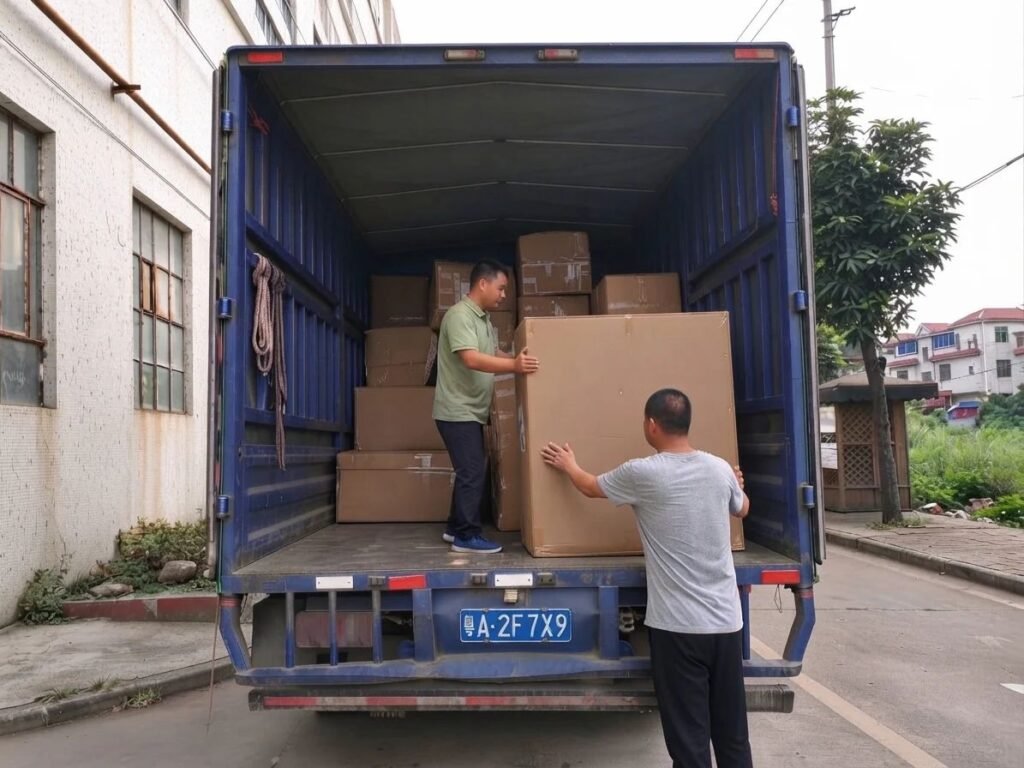
If the local drayage trucker isn’t booked, your goods are sitting right where they are.
I have one rule of thumb that I hammer into every client’s head, and I learned it the hard way after missing a massive restaurant opening in Miami a few years back: If your goods aren’t 80% finished, painted, and physically drying by Christmas week, they are not leaving the port before the holiday. Period.
The core issue isn’t that the main assembly lines close. It’s that the entire, highly fragmented manufacturing ecosystem just vaporizes. The truck drivers? They went back to Sichuan days ago to beat the train rush. The corrugated carton suppliers? They turned off their die-cutting machines. That guy down a dirt road who electroplates your brass table legs? He bought his high-speed rail ticket home a month ago and has stopped answering his phone.
The “Write This Down” Takeaways
- The China factory shutdown is rarely an official date. It’s a rolling blackout of the export infrastructure that paralyzes supply chains a good 15 to 20 days before the government-mandated holiday even starts.
- Tier-two suppliers (the folks making your packaging, screws, and foam) always bail out earlier than the main assembly factories. This creates invisible, fatal bottlenecks.
- “Rush fees” in January are a scam. Paying them mostly just guarantees your furniture will be slapped together poorly and then marooned at a congested port anyway.

The Anatomy of the Pre-Holiday Squeeze
So why does the system completely collapse with such predictability every single year?
It’s essentially a massive, high-stakes game of musical chairs, played with 40-foot steel shipping containers. Everyone is trying to shove record volumes of cargo through a rapidly shrinking window of available labor, trucks, and vessel space. When the music stops, somebody is getting left holding the bag. Usually, it’s the overseas buyer who believed the “no problem, my friend” message they got on WhatsApp.
But it’s worse than just high cargo volume. Look, what most procurement directors miss from their desks in New York is that a factory doesn’t just lock its front gate on the first day of the national holiday. The bleeding out starts weeks earlier.
I once watched a massive, highly efficient upholstery line in Longjiang grind to a complete, deafening halt on January 10th. Why? Because they ran out of heavy-duty shipping boxes. The packaging supplier—a completely separate business two towns over—had quietly turned off their machines, locked the gate, and sent their 50 workers back to Henan province. They didn’t warn anyone. They just left.
Total gridlock.
Your main factory is literally only as reliable as its earliest-departing sub-contractor. You might have 300 workers sitting in a brightly lit warehouse, nail guns in hand, ready to assemble your walnut casegoods. But if the five guys in a corrugated metal shed who supply your drawer glides have left the province, your multi-million dollar project is dead in the water.
The Illusion of Priority
Every hotel procurement director naturally believes their order is the most important one on the factory boss’s clipboard. You’re buying five containers of custom FF&E! You matter, right?
Not in January, you don’t.
In January, that factory boss is looking at one thing: cash flow. They need survival money to pay out worker bonuses so those workers actually return in March. They will absolutely prioritize the massive domestic wholesaler who orders 50 containers a month, year-round. Or they’ll push the local developer’s order to the front because that guy pays 100% upfront in RMB cash.
You? The foreign buyer relying on a 30% deposit and a bureaucratic Letter of Credit? You are getting pushed to the back of the line.
Things get incredibly messy. Trucking that used to take 2 days to book suddenly requires a two-week heads up and a wad of cash for the driver. Port gates close randomly due to congestion. And quality control? Forget it. You find an issue on January 12th, the factory tells you: “Ship it as-is, or wait until March to fix it.”
The Sub-Supplier Domino Effect
Here’s the thing about Chinese furniture hubs—they aren’t these monolithic entities where raw trees go in one side and dining chairs pop out the other. They are hyper-specialized, incredibly fragmented ecosystems.
A dining chair factory rarely makes the metal base, the molded foam, the boucle fabric, AND the export carton. They just assemble them.
I remember visiting a supposedly “vertically integrated” facility in Anji. The showroom was pristine—lots of glass, steel, and a fancy espresso machine in the lobby. The sales pitch was flawless. But when I ditched the guided tour, walked out the back door, and poked around the loading dock? I saw three exhausted guys frantically unloading raw, uncut foam blocks from a rusty three-wheeled motorcycle.
Smoke and mirrors.
If that three-wheeler driver decides he misses his kids and starts his vacation on January 5th, your shipment is delayed until late February. I don’t care how big the main factory’s logo is on the front of their building.
Let’s say you are buying a complex hotel bathroom vanity. The marble top is getting trucked in from Yunfu. The brushed brass handles come from Wenzhou. The MDF core comes from a local board supplier in Foshan, and the LED mirror components are getting shipped up from Shenzhen. Coordinating this in May is just standard daily business. Coordinating this in January is like trying to conduct an orchestra where half the musicians are actively running out the fire exits while you’re waving the baton.
Where the Mid-Sized Specialists Shine
When the pre-holiday panic sets in, sheer physical factory size isn’t always the advantage you think it is.
Some buyers automatically gravitate toward the massive, multi-campus manufacturing behemoths in places like Foshan, assuming that scale equals reliability. But when thousands of workers are rushing for the exits simultaneously, those giants become incredibly rigid, stumbling over their own bureaucracy. Their management layers are just too thick to react quickly to a sudden shortage of screws, or a missing batch of shipping pallets.
This is exactly why I often point clients toward a different risk-reward equation when sourcing under pressure.
While the giants struggle to turn the ship, mid-sized specialists tend to navigate the chaos with a lot more grit and agility. Take operations like Interi Furniture, for example, which focuses pretty tightly on the high-end project and residential segments. Because they aren’t juggling five hundred different entry-level SKUs across a sprawling campus, they maintain much tighter operational control over their sub-tier suppliers. They actually know their floor capacity. If a specialized, mid-sized factory like that tells you they can load by the 18th, they usually have the localized, personal leverage to actually force that container onto a truck.
Big factories sell you their capacity. Mid-sized factories sell you their control.
Your “Ship It Or Else” Survival Framework
So, how do you actually force a container out the door before the ports turn into a parking lot of stranded cargo?
You have to stop managing the factory reps and start managing the milestones yourself. You cannot accept vague reassurances. Here is the exact, borderline-paranoid tactical checklist I start using the moment the calendar hits December 1st:
- Demand visual proof of raw materials. Stop asking your rep, “Is everything on track?” It’s a useless question that practically begs for a polite lie. Instead, say: “Take your phone, walk onto the floor, and send me a continuous WeChat video of my fabric rolls and hardware sitting physically in your warehouse.” If they don’t have the raw materials in-house by mid-December, you are already in the danger zone.
- Book the truck before you worry about the vessel. Everyone fights for container space on the ocean freighters. But the actual bottleneck? The drayage. There simply aren’t enough truck drivers in Guangdong or Zhejiang in January to move the physical boxes. Make your forwarder secure the local trucking two to three weeks earlier than usual.
- Deploy third-party QC way earlier than you think. Waiting for a final pre-shipment inspection three days before the container loads is financial suicide. Rework takes time. In January, time does not exist. Send your inspectors in when the goods are only 50% finished. Catch the wrong stitch color before it’s applied to 200 chairs, not after they are in the box.
- Audit the cardboard. I cannot stress this enough. Ask the factory to show you your empty shipping cartons. I have personally seen hundreds of thousands of dollars of beautiful, flawless furniture sit on a dusty floor for six weeks because the factory forgot to order the boxes before the paper mills shut down.
- The Ultimate Red Flag: Do not, under any circumstances, pay a “rush fee” or agree to temporarily higher unit prices in January to expedite your order. It’s a trap. Desperate factories will gladly take your premium, but they cannot magically print more truck drivers or convince their painters to cancel their train tickets home. You will just end up with an expensive, highly flawed order that still misses the boat.
Your only real leverage in January is the factory’s desperate need to clear their floor and collect the balance payment before the holiday hits. Use it. Remind them—gently, but firmly—that if the goods stay in their warehouse, your balance payment stays in your overseas bank account until March.

The “Panicked Buyer” FAQ
Let’s address the frantic emails I get from designers and procurement teams every single January. These are the real questions people ask when their jobs are on the line.
Q: My rep is swearing up and down that the port is suddenly closed and they can’t get a container in. Are they lying to me?
A: Almost certainly. Chinese ports do not just completely shut down weeks before the holiday. They get incredibly congested, yes, but they don’t lock the gates on January 10th. What actually happened is the factory missed the cutoff window to book a local truck driver, or they just didn’t finish manufacturing your goods in time to meet the vessel’s closing date. Blaming “the port” is a highly convenient, nearly unverifiable excuse designed purely to save face.
Q: We desperately need this furniture for a grand opening event. Should I just let them ship the goods slightly unfinished and have my local guys fix it up on-site?
A: Absolutely not. Never compromise your structural or finish integrity just to hit a shipping date. If a dining chair arrives in Miami without its final protective lacquer coat, or it’s missing critical internal corner blocks, it is garbage. You cannot fix bad manufacturing on a dusty job site. It is always, always better to wait until March for a correct product than to receive very expensive firewood in February.
Q: What is the absolute latest date I should accept for a vessel departure?
A: The general pattern suggests you need to aim for a vessel departing at least 10 to 14 days before the official holiday begins. If the national holiday officially starts on February 10th, your ship needs to be sailing by January 27th or maybe the 31st at the absolute latest. Any later than that, and you risk your container getting “rolled” (bumped by the carrier to the next available voyage). And the kicker? While your container is sitting on the dock, the factory staff is completely unreachable for three weeks to help you solve the problem.
Q: If we completely miss the shipping window, when will things actually get back to normal?
A: The official government holiday is usually about a week long, but the hangover lasts a solid month. Factories might officially “open their doors” and light the ceremonial firecrackers in late February to scare off evil spirits, but line workers trickle back very, very slowly. Some don’t come back at all. This leads to a frantic scramble to hire and train completely new, unskilled workers. Realistically? Expect normal production speed and quality consistency to resume around mid-to-late March.
Final Thoughts on the January Madness
Navigating this annual nightmare isn’t about yelling louder than the next buyer on WeChat. It’s about cultivating a healthy sense of systemic paranoia.
It’s about assuming everything will go wrong in December so you aren’t left holding a very empty bag in January. Did you visually verify the fabric was actually cut? Did you confirm the hardware is physically sitting on a pallet in the warehouse, or is it just “on the way from the supplier”?
The buyers who actually sleep well in January are the ones who do all of their stressing, auditing, pushing, and threatening back in November. Don’t rely on hope, and definitely don’t rely on last-minute manufacturing miracles. Protect your supply chain, verify every single component visually, and if you miss that critical window? Take a deep breath, pour a strong drink, and just wait for March.
See you on the factory floor.


