

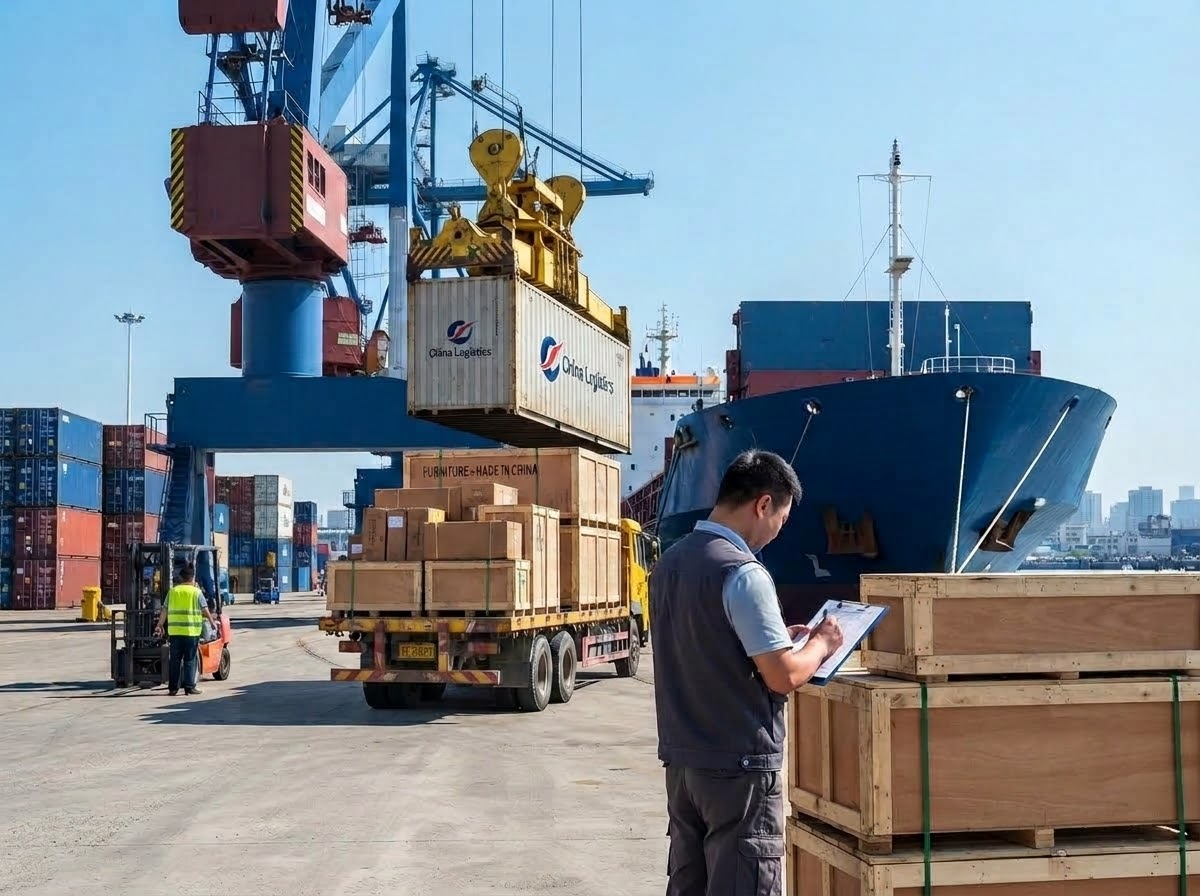
I was freezing in a perpetually over-air-conditioned Guangzhou coffee shop last December. The guy sitting across from me—a veteran hotel procurement director who usually knows better—nearly cracked his iPad screen slamming it on the table. He’d just eaten a $42,000 loss on a 40-foot high-cube container stuffed with custom walnut and velvet lounge chairs.
He bitterly blamed “the shipping gods.” I just took a sip of my Americano and bit my tongue.
Because the gods had absolutely nothing to do with it.
He had paid a couple hundred bucks for a standard freight insurance policy, felt completely invincible, and authorized his supplier to ship the goods right in the middle of Guangdong’s brutal typhoon season. Six weeks later, when the warehouse guys cracked the container doors open in Miami? The velvet upholstery looked like a high school biology experiment. It was actively growing mold. He filed a claim immediately.
Denied.
The stated reason, buried deep within a PDF attachment that nobody bothered to read until it was far too late, was “inherent vice and inadequate packing.” He honestly thought he bought an ironclad financial guarantee. What he actually bought was a highly conditional, heavily caveated lottery ticket.
Welcome to the infuriating, aggressively misunderstood reality of cross-border logistics.
The Brutal Truth About Paper Promises
Here is the deal your freight forwarder will never explain over WeChat when they are trying to rush your booking. Standard marine policies exist to protect the physical ship and the shipping line’s liability. Not your sofas.
Let me paint a picture. If the cargo vessel catches fire in the middle of the Pacific, or the captain makes the tactical decision to drop your specific container overboard to stop the ship from sinking during a rogue wave, you get paid. That is a covered peril. But what if your container bakes in the afternoon sun at the Yantian port for a week, crosses the ocean, and experiences drastic temperature swings that turn the inside of the steel box into a literal rainforest?
You are entirely on your own. (And yes, this localized weather phenomenon happens vastly more often than anyone in the supply chain likes to admit).
Let’s talk about “General Average.” It’s a maritime law concept from the actual 19th century, and it still bites buyers today. If a ship runs aground and needs a salvage tug, the shipping line declares General Average. This means every single person with a container on that ship has to chip in to pay the salvage bill before they can get their goods. If you don’t have the right insurance, they will hold your furniture hostage until you wire them thousands of dollars.
The ultimate rule of thumb: If your insurance paper doesn’t explicitly name your exact type of water damage or specifically waive standard exclusions, you are self-insuring.
Key Takeaway: The Insurance Reality Check
- Standard ICC-C policies cover catastrophic vessel loss and General Average. That’s practically it.
- “Container rain” (internal condensation) is almost universally excluded unless you actively force it into the contract riders.
- Underwriters will ruthlessly hunt for “improper factory packing” as their easiest, most defensible out.
- You bear the burden of proving the moisture damage happened during transit, not before the container doors were locked.
The Anatomy of a Dead-on-Arrival Claim
Look, securing a cargo insurance China furniture policy is essentially just transferring your transit risk to a third-party underwriter under incredibly strict, adversarial conditions.
Fail to understand those conditions, and you are throwing cash into a void. Buying a basic policy and expecting a payout for humidity damage is like wearing a tuxedo to a mud run. Don’t act outraged when the dry cleaner turns you away. You brought the wrong gear for the environment.
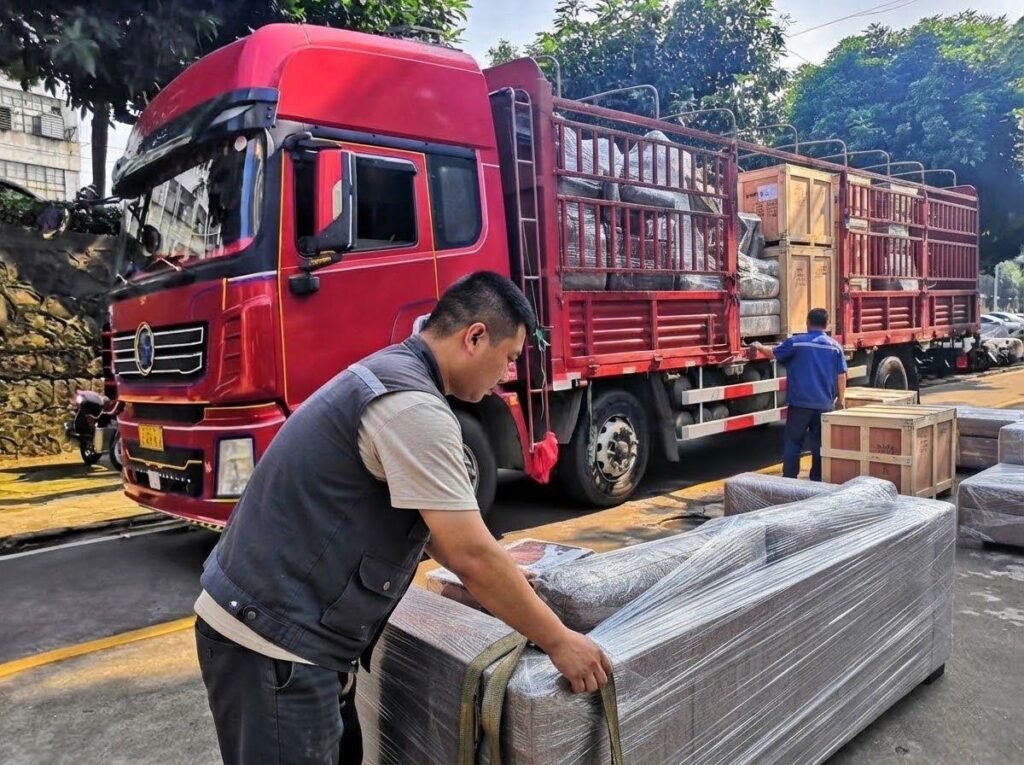
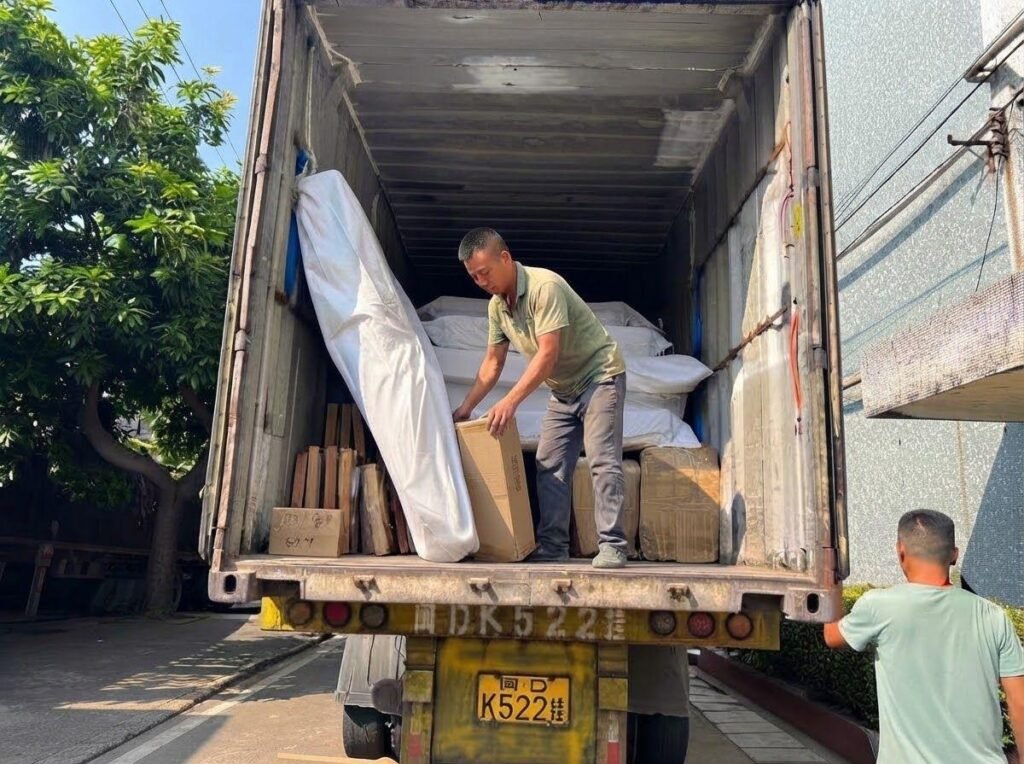
I watched this exact scenario play out on a Dongguan loading dock about eight years ago. I stood in a torrential summer downpour watching warehouse workers stuff a 40HQ container. The corrugated cardboard cartons were soaking wet before they even cleared the truck’s tailgate. The factory boss just smiled, yelled over the sound of the rain, and promised me he threw extra desiccant packets inside the boxes.
Total fantasy.
By the time those boxes sat baking in the port terminal, crossed the ocean, and waited in a Midwest rail yard, those little silica packets were fully saturated and completely useless. The hardest truth to swallow is that winning a shipping claim China underwriters will actually pay requires ironclad proof that your factory didn’t screw up the packing.
Who Actually Owns the Moisture?
When you try to claim moisture damage, the independent surveyor does one thing first. They walk up to your ruined furniture and jam a pin-type moisture meter into the undamaged wood frames. If it reads anywhere above 12% to 14%, the underwriter officially rules that the moisture originated inside the furniture before it ever shipped. The wood wasn’t kilned properly.
They call it “inherent vice.” Claim closed. Your factory blames the salty ocean air, the forwarder shrugs, and you eat the total cost.
The Bill of Lading Trap
Your Bill of Lading says “Clean on Board.” Awesome, right? Buyers constantly think this legal phrase proves the goods were pristine when loaded.
Dead wrong.
It just means the steel shipping container didn’t have massive, visible holes on the outside when the crane picked it up. The insurance company knows damn well the shipping line didn’t crack open your cartons to inspect the density of your foam or the dryness of your fabric. They will ruthlessly exploit that gap in visibility to deny your claim.
Sizing Up Your Factory’s Packing DNA
This brings us directly to the factory floor. Not all suppliers present the same underwriting risk. Treating them like they do will ruin your margins and age you a decade.
Some buyers instinctively chase rock-bottom unit costs at massive, sprawling assembly-line factories in Anji or Longjiang. These places often slap goods into standard 5-ply cartons regardless of the season, treating container loading like a high-speed game of Tetris.
Others look for mid-sized setups. Take operations like Interi Furniture in Guangzhou, focusing on soft furnishings customization for project work. Mid-sized specialists typically have a totally different rhythm. They usually possess the operational patience to control wood kilning times properly and upgrade to foil-sealed barrier bags when shipping during the plum rain season. When you are shipping soft furnishings—which absorb ambient humidity like a massive sponge—that operational patience is the difference between a successful install and a total write-off.
Your insurance policy is only as strong as your factory’s willingness to document their own packing process.
If a factory gets defensive and refuses to let your third-party inspector take timestamped photos of the dry container floor and the hanging desiccant poles, your policy is legally worthless before the truck even hits the highway.
The Fine Print That Actually Matters
Stop paying the stupid tax. Stop buying off-the-shelf, automated policies from forwarders who just tick a box on your commercial invoice.
Here is what the landscape of marine insurance furniture China imports actually looks like when the lawyers get involved:
- ICC (C) – Basic: Covers major disasters. Ship sinks, burns, or flips. Completely worthless for everyday furniture imports. Will not cover mold, forklift crushing, or water ingress from a leaky container roof.
- ICC (B) – Broad: Adds dropping overboard and seawater entry into the container. Better, but still fails you when it counts. If humidity sweats inside the container due to temperature changes, you get nothing.
- ICC (A) – All Risk: Covers “all risks” of loss, subject to standard exclusions. This is the only policy you should ever buy. But you still have to prove the factory packed it right.
And here is the absolute kicker. Let’s say you do everything right and buy ICC (A). If a crane operator drops your container hard in Long Beach, and the underwriter proves your factory packed heavy marble tabletops in flimsy boxes that couldn’t survive standard ocean-freight turbulence, they deny the claim anyway.
If you squeeze your factory so hard on the unit price during negotiations that they quietly downgrade the cardboard from 7-ply to 3-ply to save fifty cents a carton, you are actively sabotaging your own payout.
The “Don’t Be a Victim” Pre-Shipment Framework
Want to actually win a claim when things inevitably go sideways? You have to build an airtight legal case weeks before the vessel leaves the Chinese dock.
- Mandate Container Light Inspections:Never let a factory load a box with a bad roof. Have your QC guy get inside the empty container, close the doors completely, and look for light. Light means holes. Holes mean saltwater. If they see light, reject the container and make the trucker bring a new one.
- Red Flag: The Forwarder’s Default Checkbox:Don’t blindly accept that cheap 0.3% insurance fee on your freight invoice without seeing the actual certificate. Usually, it’s garbage ICC (C) coverage meant to pad their margins. Demand the PDF proof of ICC (A) coverage before wiring the freight payment.
- Over-Engineer the Desiccant:Based on export data patterns I’ve tracked, nearly a fifth of containerized furniture from Asia takes some level of moisture damage. Force the factory to hang at least 6 to 8 large calcium chloride poles (not those tiny shoe-box packets) in every 40HQ. It costs about 30 bucks total. Pay it.
- Specify VCI Bags for Metal:If you are shipping metal table bases or brass accents, regular plastic bags actually trap condensation against the metal, causing rust. Require VCI (Volatile Corrosion Inhibitor) bags.
- Create a Bulletproof Digital Paper Trail:Get photos of the empty, swept container floor. Get photos of the moisture meter reading clearly showing on the wood frames. Get a photo of the final loaded container with the metal seal locked and the serial number visible.
Without this pre-shipment photographic evidence, your damage claim is just a loud, unprovable argument with a billion-dollar conglomerate.

The Questions You’re Actually Asking
I get cornered by panicked buyers at trade shows all the time. The questions are always exactly the same, usually asked with a mix of anger and desperation. Here are the unvarnished answers.
Q: Why did my underwriter blame the factory for “improper packing” when the outer box looked totally fine upon arrival?
A: Because ocean transit subjects cargo to massive, sustained G-forces. It’s basically a four-week earthquake. If the factory didn’t use rigid edge protectors and dense EPS foam to isolate the item, the furniture rubs against the inside of the carton until the finish is ruined. Underwriters know this. They will always argue that standard domestic packing is insufficient for international sea freight.
Q: Can I just deduct the insurance loss from my next factory balance payment to make myself whole?
A: Good luck with that. Unless you have overwhelming written proof they violated your explicitly signed packing specs, they will instantly freeze your molds and hold your upcoming orders hostage. Fix your insurance setup. Don’t try to use your factory as an unauthorized bank.
Q: Is it better to buy insurance through my freight forwarder or an independent broker?
A: Shipping a couple of containers a year? The forwarder’s policy (if you verify it’s ICC A) is fine for convenience. But if you are shipping volume? Get an annual open cargo policy directly through a commercial broker. You own the relationship when a claim happens, rather than relying on a freight middle-man who is utterly terrified of upsetting his underwriter metrics.
Q: If I buy CIF terms, the supplier provides the insurance. That’s safer, right?
A: Absolutely not. Under CIF (Cost, Insurance, and Freight), the factory only has to provide minimum cover, which is usually ICC (C). They buy the cheapest junk policy legally allowed to satisfy the Incoterm. Never buy CIF for furniture. Buy FOB, control your own freight, and secure your own ICC (A) policy.
Q: So, let’s settle it. Is marine insurance actually a stupid tax?
A: It depends entirely on your operational discipline. Let the factory pack however they want without oversight? Yes, it’s a tax you’ll never collect on. Buy ICC (A) and heavily document the loading protocols with photos? It’s the best financial bodyguard you can hire.
The Reality Check
At the end of the day, shipping furniture out of Asia is basically an exercise in heavily managed paranoia. You are moving highly sensitive, organic materials through punishing tropical climates, sealing them inside a steel oven, and dropping them onto a corrosive, violent ocean for a month.
Things will inevitably get ruined.
The buyers who survive and scale in this industry aren’t the ones with zero damages. They are the ones who engineer their factory oversight so tightly that the insurance company has absolutely no choice but to write the check. Stop treating marine coverage like a magic forcefield that protects you from bad factory habits. Treat it like a hostile contract you have to systematically prove you didn’t violate. Do that, and you’ll stop paying taxes and start protecting your margins for good.