

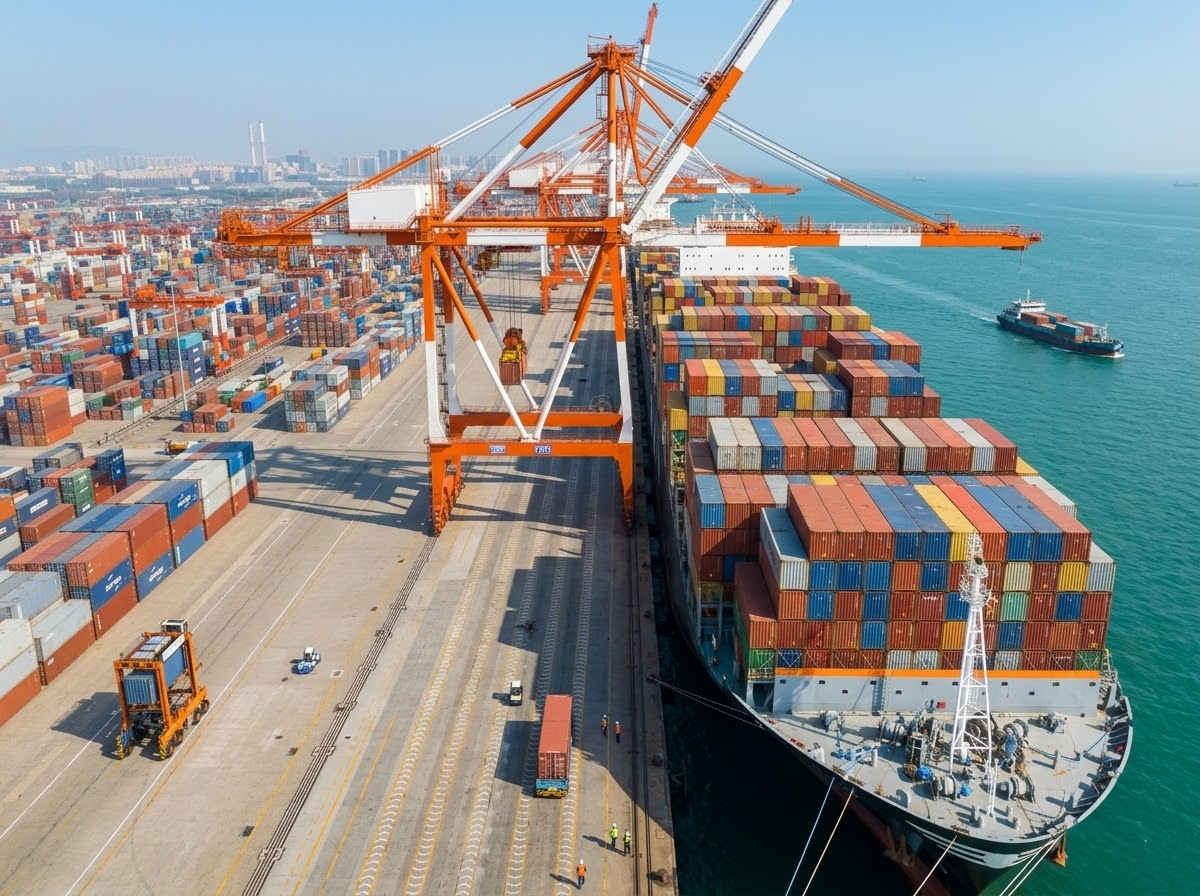
Last October, I watched a procurement director from a Miami-based hotel group pace the loading dock of a Foshan factory at 11 PM. He’d flown in three days early for a routine quality check, only to discover his forty-foot container — booked six weeks prior through a broker he’d found on Alibaba — had been “reallocated” to a larger shipper willing to pay a $2,800 premium. His 340 dining chairs, already wrapped and palletized, sat under a tarp while monsoon rain started seeping through the plastic. The factory owner, a guy named Lao Chen I’d known since 2014, just shrugged. “Containers are like girlfriends in this town,” he said. “Everyone claims they’ve got one lined up. Few actually do.”
That’s the thing about China shipping in 2026. The headlines talk about normalized freight rates and “post-crisis stability.” The dockworkers and freight desk clerks tell a different story.
The Brutal Truth Nobody’s Tweeting
Here’s what the LinkedIn posts won’t tell you: securing a container during China’s Q3-Q4 shipping peak has become a game of relationships, not logistics.
The spot rate might look reasonable on paper. The sailing schedule might show availability. But if your Chinese freight forwarder doesn’t have a direct allocation contract with the line — if they’re essentially sub-leasing space from a larger consolidator — you’re holding a reservation that isn’t worth the WeChat message it’s written in.
A good rule of thumb: if your forwarder can’t name the specific vessel and tell you the terminal cutoff without checking their phone, you’re not booked. You’re waitlisted.
And waitlisted, during peak season, means you’re not moving.
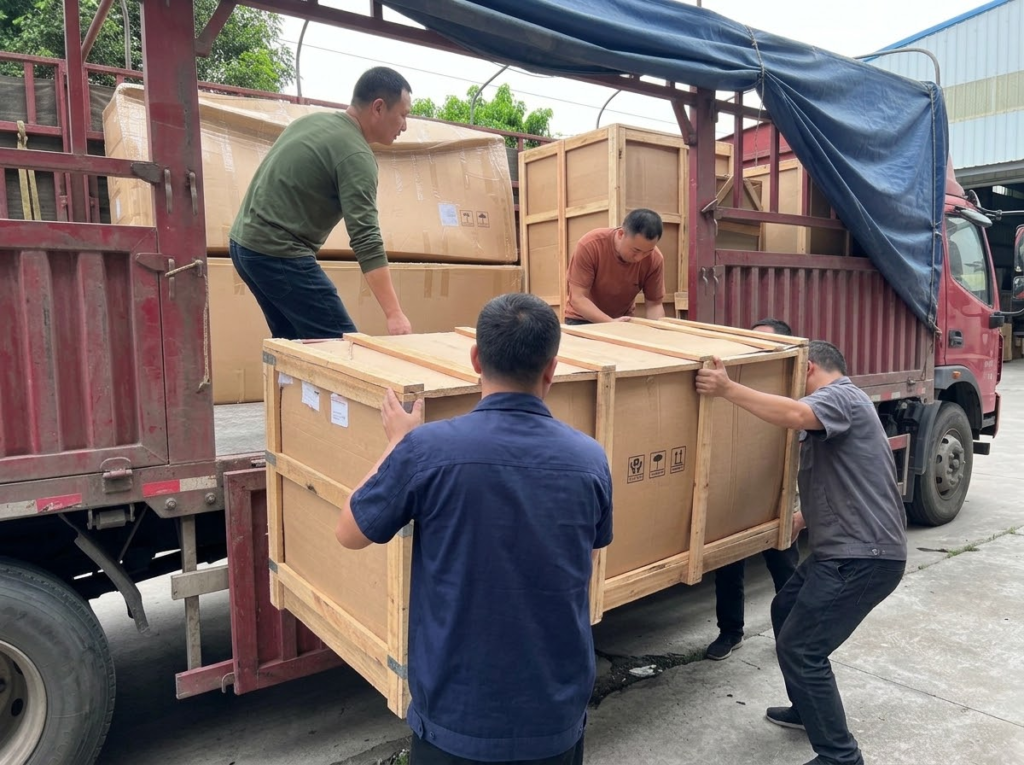
Deep-Dive: What “Peak Season” Actually Looks Like Now
Why Does a Container Cost More in September Than in March?
Picture a dim sum restaurant at 10 AM on a Sunday in Guangzhou. Carts roll by with steaming baskets, but the har gow you actually want? Gone by 10:15. The auntie pushing the cart knows exactly which tables get first dibs — the regulars, the ones who tip, the ones who don’t ask stupid questions about what’s inside the dumpling.
China shipping 2026 works the same way. Container allocation isn’t a pure auction. It’s a relationship market with price overlays.
The major lines — COSCO, MSC, Maersk — have tightened direct booking access for small and mid-sized shippers over the past two years. They’ve pushed volume commitments upward, favoring NVOCCs (non-vessel operating common carriers) and large freight consolidators who can guarantee block space. What this means on the ground: your independent broker in Shenzhen, the one with the slick website and the English-speaking sales rep named “Alex,” might be three or four contractual layers removed from an actual container slot.
I walked through a freight yard in Yantian last November. Piles of empty containers sat in neat rows, but the yard manager told me maybe 30% were actually available for spot booking. The rest? Already spoken for by direct BCOs (beneficial cargo owners) and tier-one NVOCCs who’d negotiated annual contracts back in January. The general pattern suggests that what looks like a capacity surplus is often just a visibility gap. Small buyers see empties and assume the market’s loose. They’re not seeing the allocation sheets.
And here’s the real kicker. The factories know this. A factory in Longjiang that cranks out 800 sofas a week isn’t going to halt production because your container got bumped. They’ll store your goods. They’ll charge you warehousing fees. Or worse — they’ll sell your slot to someone else and tell you there was a “customs delay.”
Actually, that’s not quite right. What most buyers miss is that the factory isn’t the villain here. They’re squeezed too. Their cash flow depends on getting goods out the door. When a shipper ghosts them on a container, they face a choice: wait indefinitely, or find another buyer who has better freight connections. Most choose the latter.
The Forwarder Hierarchy Nobody Talks About
Think of Chinese freight forwarders like the restaurant industry. You’ve got your Michelin-starred operations — the Kuehne+Nagels, the DHL Globals — who own their relationships with lines and can actually guarantee space. Then you’ve got your solid neighborhood joints: mid-sized NVOCCs with direct allocations, maybe 200-500 TEUs a year in committed volume, offices in both Shenzhen and Los Angeles. They know the port captains by name. They get invited to the line’s Chinese New Year dinner.
Then you’ve got the food trucks. One-man operations, a WeChat account, a laptop, and a network of WeChat groups where they beg for leftover space. These guys quote rates that seem almost too good. Because they are.
In my experience, roughly 60% of the freight “agents” pitching services on global trade platforms fall into that third category. They’re not scammers, exactly. More like middlemen playing telephone with actual capacity. By the time your booking request filters through three WeChat forwards, the price has inflated, the sailing date has shifted, and the “confirmed” space has evaporated.
The most expensive container is the one you think you’ve booked but haven’t.
What tends to happen is this: a buyer gets a quote in July for an October shipment. The rate looks competitive. They issue a purchase order to the factory based on that freight assumption. Then September hits, the forwarder comes back with a $1,200 “peak season surcharge” they “couldn’t predict,” and the buyer’s landed cost model collapses. I’ve seen this script more times than I can count. (And yes, this happens more than anyone admits — especially on LinkedIn.)
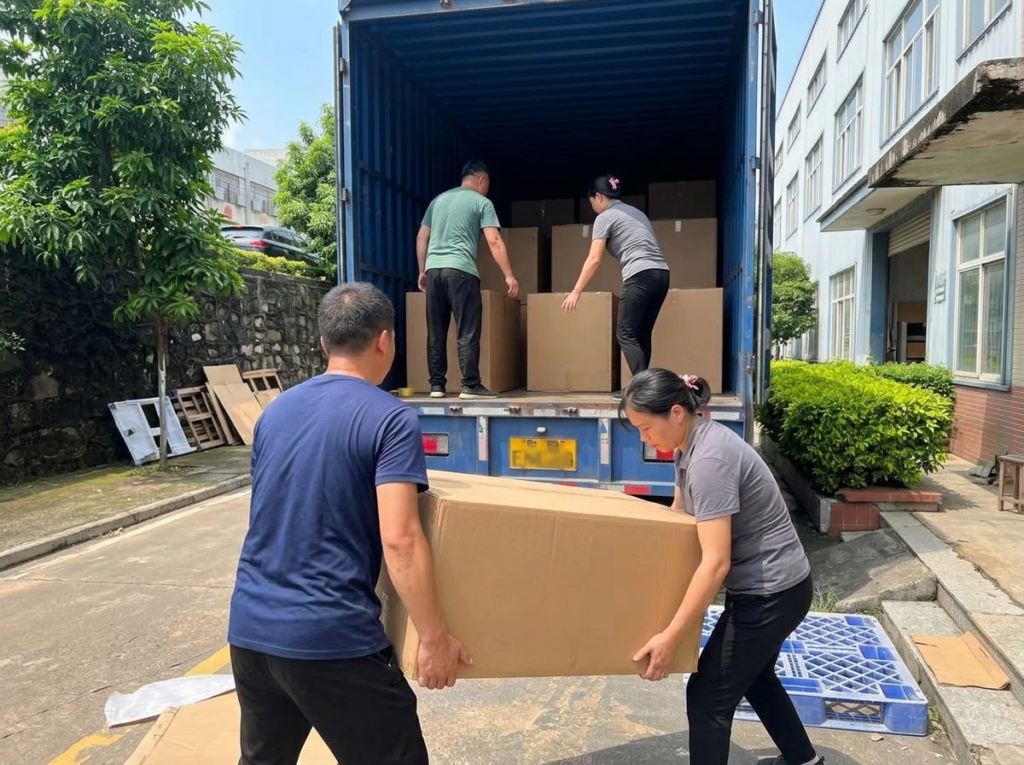
Case Study: When the System Breaks, Who Actually Delivers?
Let me tell you about what I saw in Dongguan during the 2025 pre-Lunar New Year rush. A boutique hospitality brand based in Austin had placed a $400,000 order across four factories — chairs from Anji, case goods from Foshan, lighting from Zhongshan, and custom banquettes from a mid-sized upholstery specialist in Longjiang.
Their freight strategy was textbook bad: one forwarder for everything, booked entirely online, no backup plans. By mid-December, two of the four shipments were stalled. The Anji chairs were stuck because the forwarder had subbed the booking to a consolidator who overcommitted. The Foshan case goods made it onto a vessel but got rolled to the next sailing — twice.
The buyer flew to Guangdong in a panic. Through a contact, they connected with a regional NVOCC that specialized in project cargo. Not a global name. Just a 40-person operation in Shekou with direct COSCO allocations and a warehouse team that actually answered the phone at 8 PM.
Meanwhile, the Longjiang banquettes — the most complex piece of the order — shipped on time. Why? The factory had its own logistics team and long-standing relationships with two forwarders. They didn’t rely on the buyer’s broker at all.
While some buyers gravitate toward large-scale manufacturers in Foshan with in-house export departments, others find that mid-sized specialists — operations like Interi Furniture, which focuses on custom hospitality and high-end residential upholstery — offer a different risk-reward equation. These factories often maintain tighter logistics coordination because they can’t afford the inventory hangover of a missed sailing. Their smaller volume means they’re more dependent on each individual shipment clearing on schedule, which paradoxically makes them more reliable partners during chaos.
The Austin brand eventually received everything — six weeks late, with demurrage bills that ate their margin. The lesson wasn’t about finding a “better” forwarder. It was about understanding that container security in 2026 is a portfolio problem, not a vendor selection problem.
Your Actionable Framework: A Buyer’s Survival Checklist
Phase One — Before You Sign the PO
- Verify the forwarder’s tier. Ask directly: “Do you hold direct allocation with [specific line], or are you brokering through another NVOCC?” If they hedge, assume they’re a food truck.
- Demand a named vessel and sailing. Not a “weekly service.” Not “COSCO Asia route.” A vessel name, a voyage number, and a terminal cutoff date. If they can’t provide it, you don’t have a booking.
- Build in a 15-day buffer. Not for production delays. For freight delays. Because they will happen.
Phase Two — During Production
- Split your cargo across two forwarders. I know, I know — consolidation is supposed to save money. But during peak season, a single point of failure is a single point of failure. Run 60% through your primary, 40% through a backup. The extra coordination cost is insurance.
- Get eyes on the ground. If you’re not visiting the factory, hire someone who will. A container pre-pull — where the empty is dropped at the factory before loading day — only works if someone confirms the empty actually arrived and matches your booking reference.
Phase Three — The Final Mile
- Track the container yourself. Don’t rely on the forwarder’s updates. Use the line’s website with your booking number. Forwarders sometimes delay bad news hoping they can fix it before you notice. (I learned this the hard way in Dongguan.)
- Negotiate rollover terms upfront. If your container gets rolled to the next sailing, who pays the storage? Who covers the factory’s extra warehousing? Get this in writing before peak season hits, not after you’re already bleeding money.
Red Flag — The One That Contradicts Conventional Wisdom
- Don’t automatically reject the higher quote. During peak season, the cheapest freight option is often the most expensive mistake. A forwarder quoting $200 above market might have that direct allocation you actually need. The one quoting $400 below market is probably planning to dump you on the spot market three days before sailing and hope for the best.
FAQ: The Questions Buyers Actually Ask
Q: My forwarder says they “have space” but won’t give me a vessel name until two weeks before sailing. Is this normal?
A: No. It’s normal for them, but it shouldn’t be normal for you. In China shipping 2026, if a forwarder can’t confirm a vessel within 48 hours of booking, they’re shopping your cargo on the secondary market. Demand the vessel name upfront. If they refuse, walk.
Q: Should I book my container before the factory finishes production, or wait until goods are ready?
A: Book before. Ideally 4-6 weeks before your target sailing. The container slot is harder to secure than the factory production slot. A factory can rush an order. A forwarder cannot manufacture container space. The exception: if your product requires lengthy QC or has high rejection rates, build that into your timeline rather than delaying the freight booking.
Q: Are Chinese freight forwarders less reliable than Western ones during peak season?
A: It depends on which Chinese freight forwarder and which Western one. A tier-one NVOCC in Shenzhen with direct line relationships will outperform a Western broker who subcontracts everything to a local agent. The geographic location of the forwarder’s headquarters matters far less than their contractual position in the allocation chain. What matters is direct access, not passport color.
Q: How much should I budget for “unexpected” peak season surcharges?
A: Based on export data patterns from the past three years, buyers should assume their initial freight quote will inflate by 15-25% during Q3-Q4 peak. If your forwarder claims otherwise, they’re either eating costs they won’t admit to, or they’re planning to hit you with a surprise invoice later. Neither is good.
Q: Can I actually secure a container during the 2026 China shipping peak, or is it just luck?
A: You can. But it depends on whether you’re treating freight as a procurement afterthought or as a core supply chain function. Buyers who book early, verify forwarder tier, maintain backup options, and track independently don’t get lucky. They get containers.
The Hard-Earned Lesson
At the end of the day, the buyers who survive peak season aren’t the ones with the biggest budgets or the fanciest forwarders. They’re the ones who stopped treating container space like a commodity you can buy off a website at the last minute.
The 2026 China shipping peak won’t be solved by technology. Apps and platforms are smoke and mirrors if the underlying allocation is thin. What works is the same thing that worked in 2016, and probably in 2006: relationships, verified commitments, and the humility to admit that your shipment isn’t special to anyone except you.
So here’s my question: when your forwarder texts you next September with bad news about your “confirmed” sailing, will you have a backup plan? Or will you be the one pacing a loading dock in the rain, watching your margin dissolve into the Guangdong humidity?
Safe sailing. Or rather — plan hard enough that you don’t need luck.