

The email landed at 11:47 PM. Subject line: “Booking Cancelled.” Body: one sentence. “Dear Mr. David, container space released to higher-priority cargo. Next sailing October 14.”
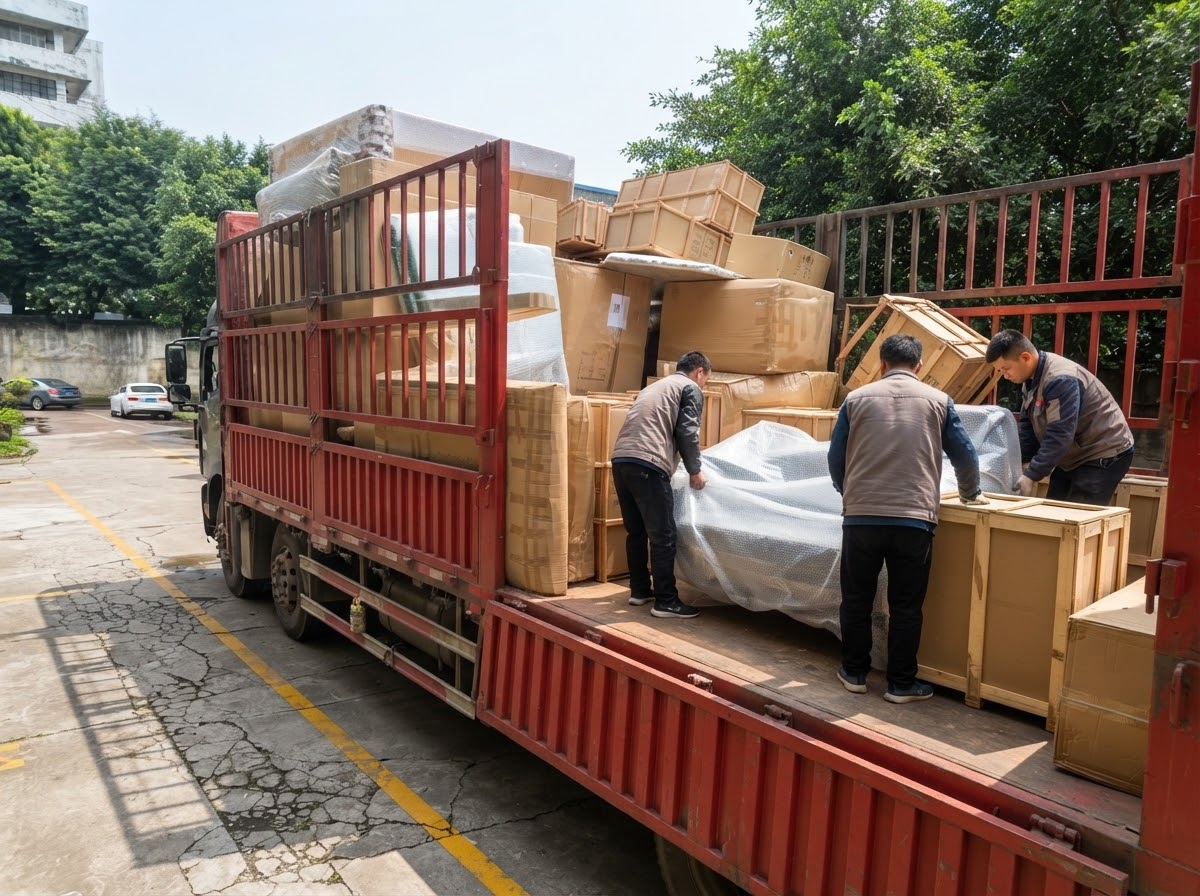
It was August 22, 2024. I’d already wired the 70% balance to a factory in Longjiang — sixty-three dining chairs, fourteen marble consoles, one custom reception desk for a boutique hotel in Austin. All of it sitting in a Foshan consolidation warehouse, bleeding RMB 18 per CBM per day while I stared at my phone in a Dallas hotel room.
That wasn’t my first rodeo. Same warehouse, same carrier, same gut-punch. Different year. And if you’re reading this in July? You’re already late. September? Then I hope your furniture freight forwarder picks up at 2 AM China time. Because the China shipping peak season doesn’t care about your deposit, your client, or your cash flow. It cares about yield. And furniture doesn’t yield.
The Brutal Truth
You’re not fighting other furniture buyers for space. You’re fighting everyone.
E-commerce sellers. Toy importers. Some guy in Shenzhen shipping 400 pallets of phone cases. Furniture is bulky, light for its volume, and it pays garbage compared to semiconductors or pharmaceuticals. Carriers make money on weight and speed. Your sofa shipment offers neither.
So here’s the rule of thumb I got from a Ningbo yard supervisor in 2019, and it still holds: If you think you need six weeks, book ten. If you think you need ten, book fourteen. That buffer isn’t paranoia. It’s the wall between you and a very expensive phone call to your client about why their lobby is still empty.
Key Takeaway
- China furniture sourcing means buying finished or semi-finished furniture from Chinese manufacturers — factory-direct, through a trading company, or via a sourcing agent — with logistics handled separately or through a freight forwarder.
- From roughly August through October, container space becomes a scarce resource allocated by rate priority, not booking order. Furniture shipments lose that auction every time.
- The gap between “goods ready” and “container loaded” can stretch from 3 days to 3 weeks without warning. That’s your real enemy. Not the factory lead time. That gap.
- A reliable furniture freight forwarder isn’t about the quoted rate. It’s about their carrier allocation, their port-gate relationships, and whether they’ll answer the phone when your sailing gets killed.
Why Your Shipment Gets Bumped First
The Container Math Nobody Draws on a Whiteboard
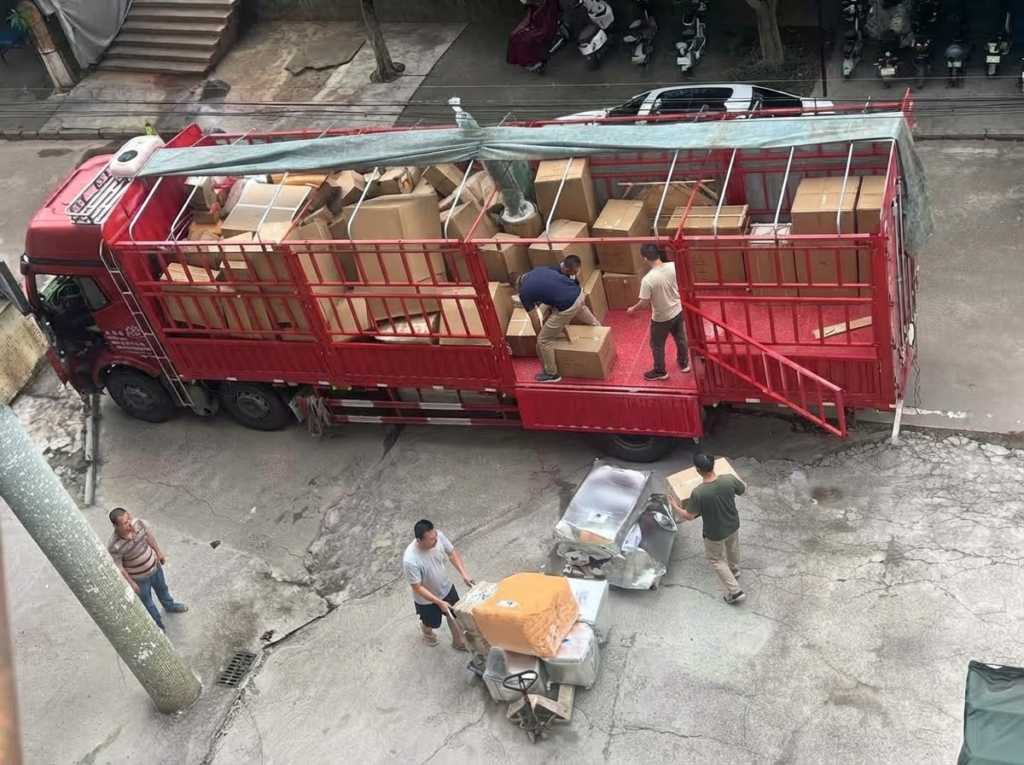
Picture a container ship like a nightclub. Strict bouncer. VIP list ranked by revenue per square meter. One pallet of iPhones packs more margin into a single CBM than your entire dining set. So when the club fills up — and it always fills up in September — the bouncer looks at your flat-packed bed frames, does the math, and suddenly there’s a “technical issue” with your booking.
I was in a Ningbo yard last October with a forwarder named Lao Chen. He’s been at this since 2008. Pointed at a stack of bed frames and laughed. “Those? They sail when the electronics clear.” Not cynical. Accurate.
The general pattern? Carriers accept furniture bookings at discounted rates during slow months to fill volume. Then they systematically bump those same bookings when higher-yield cargo shows up in Q3. It’s not personal. It’s yield management. But try explaining yield management to a hotel owner whose grand opening is in six weeks.
And here’s what most buyers miss. The factory says “FOB Ningbo” and you picture a clean handoff. What actually happens: your goods sit in a bonded warehouse for days, sometimes weeks, while your forwarder plays musical chairs with carrier allocations. Warehouse fees? Yours. The delay? Also yours. The factory’s already spent your deposit. They’re not losing sleep.
“Space Available” Is a Lie
“Space available” is the most dangerous phrase in logistics. It means the carrier will take your booking, charge your card, and decide later if your box gets on the boat. I’ve seen buyers get booking confirmations — vessel names, sailing dates, the whole thing — only to discover their container rolled to the next sailing. Three times in a row.
The real kicker? The carrier doesn’t even have to tell you right away. By the time you find out, your factory has already given your production slot to the next client. Double delay. Same deposit. Different excuse.
Your Forwarder Is Your Only Real Weapon
Why the Cheapest Quote Will Wreck You
Shopping for freight like you’re booking a flight on Kayak? Rookie move. The rate sheet is smoke and mirrors. What you’re actually buying is access. Priority. Someone who will fight for your cargo when the terminal looks like a war zone.
I learned this the hard way in Dongguan, 2022. Went with a forwarder who undercut everyone by $400 per container. Saved $1,200 on three boxes. Felt like a genius. Then September hit. Our sailing got rolled. The forwarder’s “relationship manager” turned out to be a WeChat bot. Six weeks of chasing updates while our hotel client threatened to kill the project. That $1,200 savings? Cost us $8,000 in emergency air freight plus a relationship I’d spent two years building.
Actually, wait. That’s not quite right. The problem wasn’t the cheap forwarder. The problem was that we treated container space like a commodity when it’s actually a relationship business. A real furniture freight forwarder has block space agreements with carriers. They have the yard supervisor’s mobile number. They know which NVOCC is fronting for which line. You can’t buy that on a rate-comparison site.
Six weeks. I’ll never get those back.
The 2 AM Test
If your forwarder doesn’t answer at 2 AM China time during peak season, you don’t have a forwarder. You have a quoting service. The decisions that save shipments happen in the middle of the night — when a carrier dumps a last-minute slot and your guy has seventeen seconds to claim it before someone else does.
Here’s what separates the pros from the pretenders. The pros call you before you know there’s a problem. The pretenders send you a “status update” three days after the fact.
The Geography Nobody Puts in Their Deck
Foshan Is Not a Port. Stop Acting Like It Is.
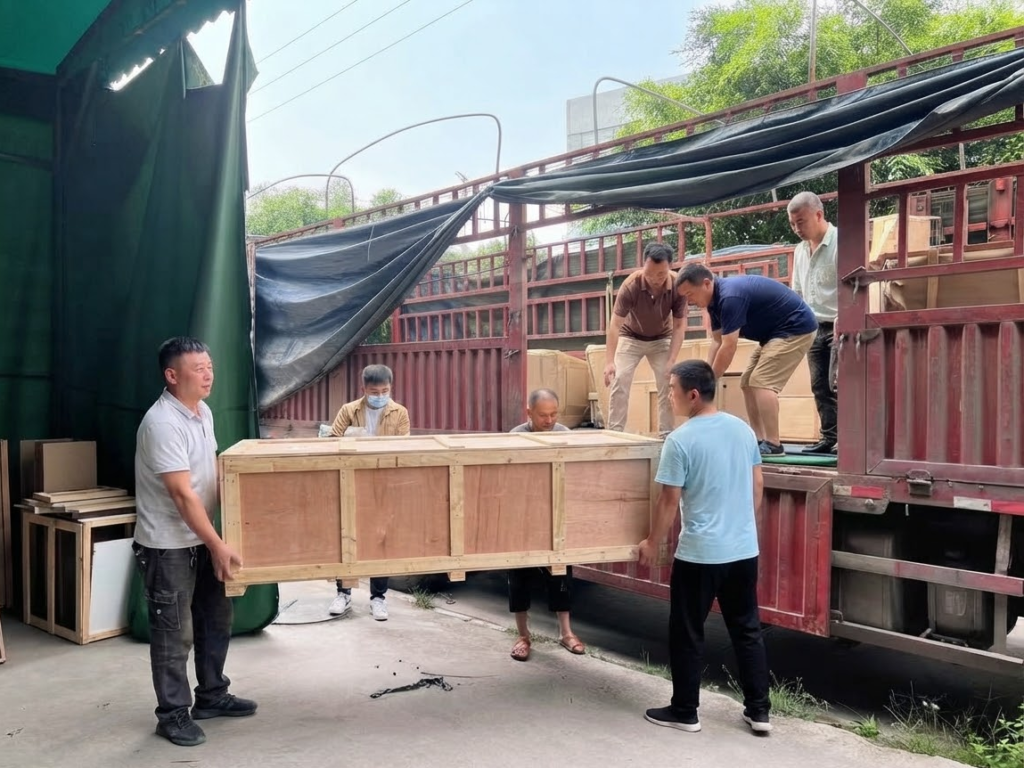
This seems obvious. But you’d be shocked how many procurement decks list “FOB Foshan” like the city has a container terminal. It doesn’t. Every sofa, every bed frame, every marble console made in Shunde or Longjiang has to truck 60 to 130 kilometers to Nansha, Shekou, or Yantian. That inland leg? That’s where things fall apart first.
Peak season doesn’t start at the port. It starts on the highway. Trucking capacity from Foshan to Shenzhen tightens in late August because every factory is trying to move goods before Golden Week. I’ve seen trucks queued six hours at the Nansha gate. Six hours. With a driver paid by the day, not the hour. Your container misses the cutoff. Not because of the carrier. Because of traffic on the G94.
Now, the mid-sized specialists — operations like Interi Furniture, which handles project-grade upholstered seating and hospitality casegoods out of Guangdong — often navigate this better than the giants. Not because they own more trucks. Because their logistics are tighter and they’re not juggling forty containers a day. Someone is actually watching the truck. That matters more than you’d think.
Your Peak Season Playbook
Stop reading and do this. Now.
The 60-Day Window
- Weeks 1–2: Lock down production completion dates with your factory. Then add 10 days for “China time” — the gap between when a factory says “ready” and when it actually passes QC and sits in the warehouse. I’ve seen “ready” mean “the frames are built but we haven’t upholstered them yet.” Verify. Don’t trust.
- Week 3: Book your container. Not next week. This week. During peak season, three weeks ahead is the bare minimum. Two weeks is gambling. One week? You might as well not bother.
Vetting Your Forwarder
- Ask for their carrier allocation list. A real forwarder knows exactly how many TEUs they have locked in with which lines. If they stutter, if they say “it depends,” if they change the subject — walk. You’re not hiring a travel agent.
- Demand a single point of contact with a real mobile number. Not a ticketing system. Not a “logistics coordinator” who clocks out at 6 PM. A human being who knows your shipment by heart.
- Ask for their Q3 rolling average. How many August and September bookings sailed on the originally scheduled vessel? If they say “we don’t track that,” run. Fast.
The Red Flag That Goes Against Everything You’ve Been Told
If a forwarder promises you space at below-market rates during peak season, they’re either lying or planning to roll your cargo and hope you don’t notice. Below-market rates in September aren’t a deal. They’re a warning. The carriers aren’t discounting. Someone is eating the difference, and it’s usually your sailing priority.
Consolidation: LCL vs. FCL
| What You’re Shipping | Best Move | Why |
|---|---|---|
| Under 12 CBM | LCL | Cheaper, but accept longer transit and handling risk |
| 16–18 CBM | Do the math | LCL per-CBM rates spike in peak season. FCL might be cheaper, but you’re paying for empty space. Run total landed cost. |
| Over 20 CBM | FCL immediately | Don’t wait for the factory to “maybe add a few pieces.” The container space is worth more than the marginal units. |
- Shipping 12 CBM? You’re in LCL territory. Accept the longer transit and the extra handling.
- That 16–18 CBM zone? Dangerous. LCL rates go crazy in peak season. FCL might save money, but you’re paying for air. Do the math on total landed cost, not just the freight line item.
- 20+ CBM? Book FCL now. Don’t wait for the factory to “maybe squeeze in a few more pieces.” The container slot is worth more than the extra units.
The Documentation Kill-Switch
Get your ISF, commercial invoice, packing list, and Lacey Act declaration ready before the goods hit the port. One missing document doesn’t just delay customs. It can cost you your sailing slot entirely. The carrier won’t hold the boat because your broker forgot a wood species declaration. They’ll roll you to the next sailing and charge you storage while you scramble.

FAQ: The Questions Buyers Actually Ask
Q: My factory says goods ready September 5. When do I book the container?
A: July. I’m dead serious. During China shipping peak season, you book space before production finishes. Not after. The container market in August and September runs on allocation, not availability. Wait for the factory’s “ready” confirmation and you’re already behind everyone who planned ahead. The general pattern? Buyers who book 4–6 weeks before estimated readiness sail on schedule. Buyers who book 1–2 weeks out? They’re rolling the dice. And the dice are weighted.
Q: Should I pay premium for a dedicated furniture freight forwarder, or use the factory’s recommended one?
A: Depends who the factory recommends. Some factories have solid, long-standing forwarder relationships. Others recommend whoever pays the biggest kickback. Test them: ask for direct carrier contracts and their rolling on-time percentage. If they can’t produce either, you’re not their client. You’re their margin. A dedicated furniture freight forwarder who knows ISPM-15 fumigation rules, Lacey Act wood declarations, and how to handle upholstered goods without crushing the foam? They’ll save you more than they cost. Especially when customs holds your container for three days because someone fat-fingered the HTS code.
Q: Can I just ship LCL and avoid the container-space nightmare?
A: You can. But you’re swapping one headache for another. LCL shipments consolidate at CFS warehouses, and those warehouses are just as jammed as the terminals in peak season. Plus your furniture gets handled more — loaded, unloaded, sorted, reloaded. Damage risk jumps. For furniture, the break-even is usually around 15 CBM. Below that, LCL makes sense if you buy good insurance. Above 18 CBM, the damage risk and transit variability of LCL usually eats the savings. Definitive answer: under 12 CBM, go LCL. Over 18, fight for the FCL.
Q: My sailing got rolled. Anything I can do, or am I just stuck?
A: You’re not stuck. But your options hurt. Your forwarder can sometimes squeeze you onto a different vessel through NVOCC relationships — for a price. Emergency air freight is the nuclear option. (I’ve seen a single marble tabletop cost $2,400 to air freight because the hotel opening couldn’t slip.) The real move is prevention: build a 14-day buffer into every client promise. And never tell your end customer the factory’s delivery date without adding your own cushion. Factory dates are fiction until the container is loaded.
Q: Are shipping crises getting worse, or am I just cursed?
A: The volatility is structural. Not cyclical. Since 2021, the container market has run with thinner margins and less slack capacity than any point in the past twenty years. Carriers overcorrected after the pandemic boom — scrapped too many vessels, chased yield over volume. What tends to happen is any disruption — a typhoon, a port strike, Red Sea rerouting — cascades through the system for months. You’re not cursed. You’re operating in a market where “normal” now includes regular chaos.
The Hard Lesson
After fifteen years of walking factory floors in Foshan, arguing with carriers in Ningbo, and explaining to hotel owners why their lobby chairs are still in a warehouse, I’ve settled on one principle. Container space isn’t a logistics problem. It’s a resource allocation problem. And in peak season, you’re not allocating containers. You’re allocating trust.
Trust your factory to tell you the truth about readiness. Trust your forwarder to fight for your cargo when the terminal is a madhouse. And trust your own judgment enough to build buffers that feel ridiculous. Because the day you cut that buffer to save a few days? That’s the day the email hits your inbox at 11:47 PM.
Keep your phone charged. And maybe keep a whiskey bottle nearby. You’re gonna need both.