

It was pouring rain in Longjiang last November when I watched a seasoned hospitality buyer from Chicago nearly end his career over a green sofa. We were in a massive, poorly ventilated showroom, and he was staring at this gorgeous, mid-century modern sectional. The tag? $240 a pop. He whipped out his notebook, ready to wire the 30% deposit for a 40-foot high-cube container right on the spot.
I literally had to grab his arm.
The fabric looked like a million bucks under the track lighting, but it was basically a well-upholstered Molotov cocktail. It lacked every single fire retardant certification required for American hotel lobbies. A lot of veteran buyers still think they can just pick a fabric swatch and figure out the paperwork later. You can’t. Watching people blow up their project budgets—and their sanity—because they wanted to shave a few points off their sourcing costs is a weekly occurrence down in Guangdong. The margin you think you’re saving vanishes the exact second a port inspector decides to audit your shipping container.
The Brutal Truth
Key Takeaway
- Chinese furniture compliance isn’t something factories volunteer; you have to pry it out of them.
- The big three hurdles: fire safety, composite wood off-gassing, and timber origin.
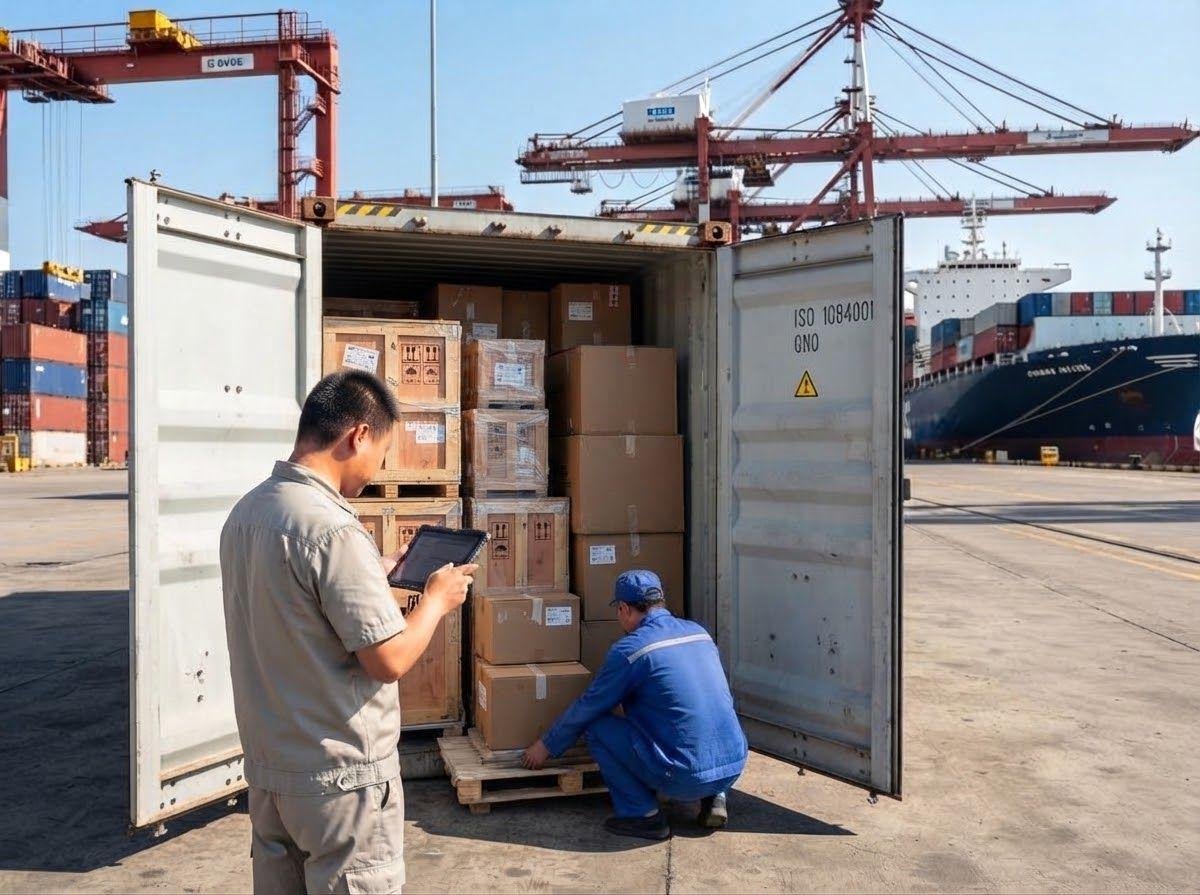
- Missing a single piece of paper at the port usually means paying to have your own goods destroyed.
Let’s clear the air. The sales rep pouring you pu’er tea in Dongguan does not care about your county’s fire code.
That isn’t malicious. It’s simply the nature of contract manufacturing. Their mandate is to build whatever is on the purchase order as cheaply as humanly possible. If you don’t specifically outline and demand the right China export certifications in writing, they will absolutely default to local domestic standards.
Or rather, the problem isn’t even the factory trying to cheat you. Often, they literally have no idea what your local regulations are. They build furniture; they aren’t international trade lawyers.
So here is my baseline rule of thumb: If the supplier isn’t charging you a very obvious, painful premium for certified materials, you aren’t actually getting them.
Compliance costs real money. Testing labs charge a fortune. Tracing legal timber is expensive. The harsh reality is that customs officers don’t give a damn how beautiful your designer CAD renderings are if your import file is empty. I’ve sat in port offices watching grown adults panic over daily demurrage fees. All because someone assumed a factory manager knew what CARB Phase 2 meant. Assume nothing. Verify everything.
The Fire Safety Gauntlet
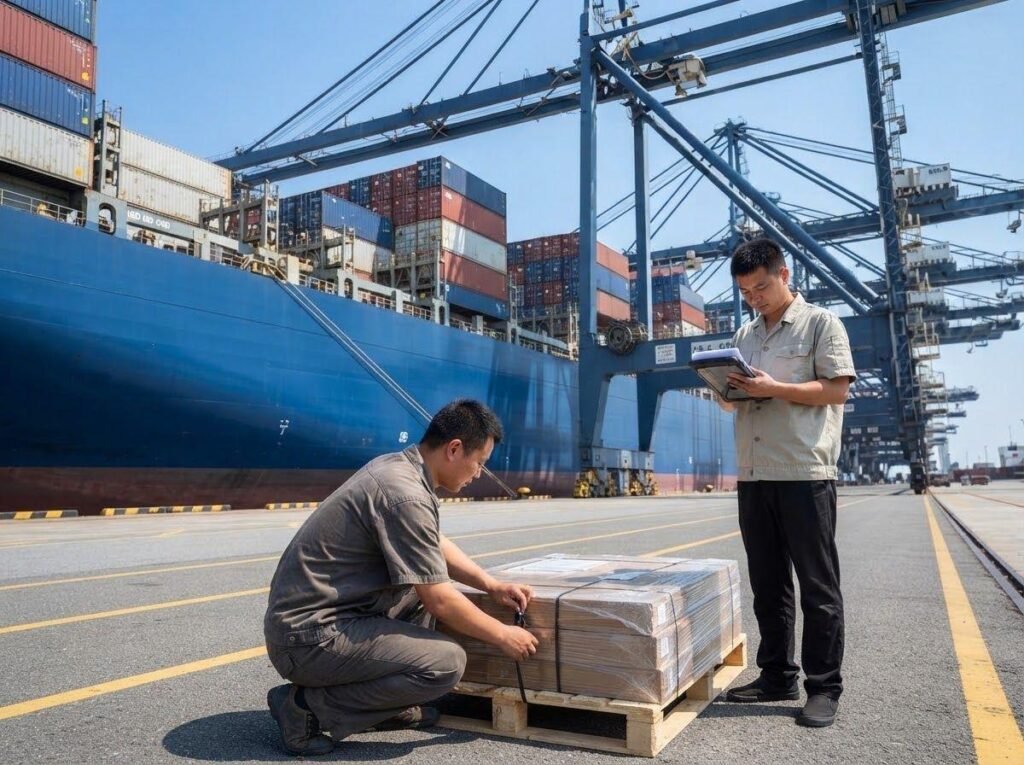
Buying commercial upholstery without pulling the burn test records is wild to me. It’s like buying a used truck without looking under the hood.
Are You Importing a Liability?
If you’re bringing goods into the US, TB117-2013 is your bible. For the UK, it’s BS 5852—and usually Crib 5 if it’s going into a public space. A couple of years ago, I was doing a walkthrough at a decent-sized facility in Anji. I stood there and watched a guy on the line switch from spraying standard, highly flammable foam to the expensive fire-retardant stuff just by swapping a hose on his rig. Visually? Zero difference. Chemically? It’s the difference between passing an inspection and a massive lawsuit.
If you don’t demand the certificate before the first cut of fabric is made, you get the cheap foam. End of story.
And here is the part nobody likes to talk about—the “golden sample” trick. A factory sends one perfectly engineered, heavily treated chair to SGS or Intertek. It passes flawlessly. Then they run the remaining 499 units using junk foam they bought from a vendor down the street. If a fire breaks out in the lobby you designed, the investigators aren’t flying to Anji. They’re coming after you.
You have to demand batch-level testing. Yes, it’s a massive headache. (And yes, factories will fight you on it). A boutique hotel in Vegas got delayed for two months because the procurement team brought in Italian-style loungers from Shenzhen but couldn’t produce the actual burn certificates. The fire marshal refused to issue the occupancy permit. They had to rip out a quarter-million dollars in seating.
The Invisible Threat of Formaldehyde
Let’s talk about the engineered woods—your MDF, plywood, and particleboard. This is the stuff that makes up 90% of modern casegoods.
Passing the “Sniff Test”
I’ve walked into unventilated staging warehouses in Nankang where the chemical off-gassing was so thick my eyes watered instantly. That’s formaldehyde. Try bringing that into California without EPA TSCA Title VI or CARB Phase 2 documentation. It will be a bloodbath.
The laws dictate that these composite materials can only emit trace amounts of formaldehyde, practically matching natural ambient wood. It requires heavy-duty chamber testing by legit third-party labs.
A lot of buyers get cocky here. They think, “I’m buying solid white oak, this doesn’t apply to me.” Right. Go pull the drawers out of that solid oak dresser. Look at the back panel. Look at the substrate under the veneer. It’s almost always plywood. If even a tiny fraction of the piece uses uncertified composite wood, your entire container gets flagged.
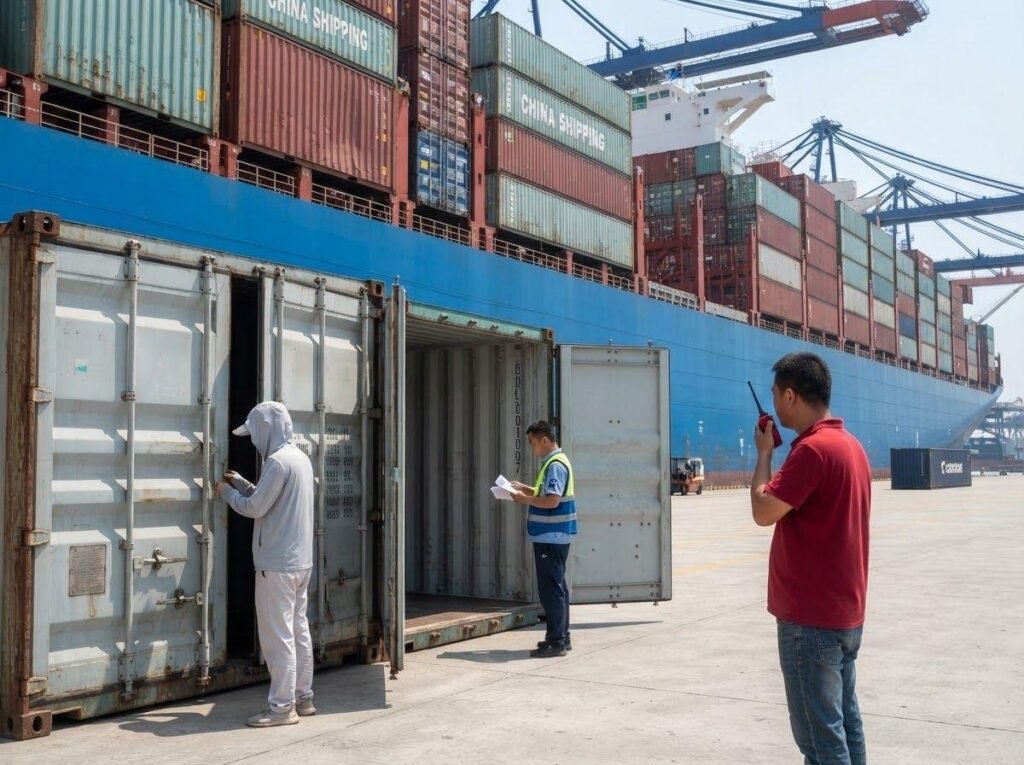
I once watched a European importer lose his mind at customs over a shipment of high-end dining tables. The tables were 100% solid walnut. But the wooden shipping crates holding them together? Cheap, uncertified plywood. The whole container got locked down.
Your assembly factory isn’t the one milling the MDF. You need the traceability document linking your specific PO to a certified batch of raw boards from their supplier. When factories get defensive about this, it usually means they’re buying bottom-tier boards off the spot market.
Proving Your Timber Isn’t Stolen
Then you have the Lacey Act in the US and the EUTR in Europe. You have to prove where your wood grew.
The Paper Trail Problem
Supply chains get incredibly weird here. A Guangdong factory might buy logs from a broker in Vietnam, who bought them from a guy in Myanmar, who dragged them out of a protected forest. If your company name is on the import manifest, that is now your federal problem.
You need an auditable paper trail, preferably backed by an FSC certification.
But don’t just take a sales rep’s word for it. To clear the Lacey Act, you have to file a PPQ 505 form. That means you need the exact scientific genus and species of the wood, plus the harvest country. Writing “Oak from China” will get you rejected. You need to write Quercus mongolica harvested in Russia.
| Certification | What To Check | The Disaster Scenario |
| TB117-2013 / BS 5852 | Foam and Fabric | Rejected at port, extreme fire liability |
| EPA TSCA Title VI | Substrates (MDF, Plywood) | Forced recalls, toxic off-gassing |
| Lacey Act / FSC | Solid timber, Veneers | Confiscation, federal prosecution |
The burden of proof never falls on the Chinese exporter. They cash your check when the goods leave the dock. You take the legal hit when they land.
Sizing Up Your Factory Risk
The manufacturing scene over here is totally fractured. You’ve got colossal mega-factories pushing out thousands of units a shift, and guys in dusty alleys assembling chairs by hand.
Your compliance risk is directly tied to who you partner with. The mega-factories in Foshan usually have airtight paperwork, but good luck getting them to answer the phone unless you’re ordering 50 containers a month. Their MOQs will bleed a mid-sized buyer dry.
This is why a lot of savvy buyers end up sliding toward the mid-tier specialists. Operations like Interi Furniture—who lean heavily into customized residential and project work—tend to offer a much better risk-reward balance. Factories at that specific scale are big enough to employ actual compliance officers who know the export laws, but they’re still hungry enough to handle specialized, smaller-batch project requirements without forcing you into insane volume commitments.
They get the game.
The trick is finding a factory that already ships 70% of its goods to your specific country. If you’re outfitting a project in London, find a supplier deeply entrenched in the UK market. They already fought the BS 5852 battles. They have the certified foam vendors on speed dial. You just draft in their wake. Trying to force a factory that exclusively ships to Dubai to suddenly pass California environmental standards is a total waste of time.
The Pre-Shipment Hit List
So how do you avoid getting burned without flying out to Guangdong every month? You lock down your protocol.
Here is the exact framework I force my clients to use:
- No paperwork, no deposit. Never fall for “we will send the certificate tomorrow.” If they have it, they can email a PDF right now. Delays usually mean they are scrambling to borrow a certificate from another factory.
- Verify the issuer. I’ve seen some breathtakingly good Photoshop jobs on SGS and TUV certificates. Pick up the phone. Check the ID number against the lab’s actual database.
- Weaponize the PO. Your purchase order needs teeth. Write it out: “All materials must strictly meet [Standard]. Supplier assumes 100% financial liability for customs rejection due to compliance failure.” Watch how fast they backpedal if they were planning to cut corners.
- Pay for the inspector. Send a third party like V-Trust to the factory while the goods are on the line. Have them physically pull a chunk of foam and check the chemical drums. It costs 300 bucks. Pay it.
- The “Too Easy” Red Flag. If you ask for Crib 5 fire treatment and the factory instantly says, “No problem, same price!”—run away. Legitimate chemical treatments cost money. If your price doesn’t go up, they are lying to your face.
The Sourcing Floor FAQ
Q: Can I just have my freight forwarder deal with all this export compliance stuff?
A: Not a chance. Your forwarder moves boxes. They will file whatever messy paperwork you hand them. The importer of record—that’s you—is completely legally responsible for what’s inside the container.
Q: My supplier sent me an SGS test report from 2022. We’re good, right?
A: Usually, no. Standards update, and customs agents love to reject expired paperwork. You want reports dated within the last 12 to 18 months, and they need to explicitly tie back to the actual batch of materials you are buying. An old PDF is basically worthless.
Q: I’m just buying eight lounge chairs for a boutique project, not a full container. Does customs really care?
A: Yes, and the local fire marshal cares even more. Commercial spaces have ruthless codes. An inspector can walk into your finished lobby, ask for the burn certs on those eight chairs, and shut down your grand opening if you can’t hand them over.
Q: The factory has a big ISO 9001 badge on their website. Doesn’t that mean the furniture is up to US/EU standards?
A: Absolutely not. ISO 9001 just means they have a consistent management process. A factory can have a perfectly documented, incredibly consistent process for manufacturing highly flammable, illegal furniture.
The Cost of Buying Blind
Sourcing overseas isn’t just a game of hammering a sales rep down to the lowest possible unit price. It’s a logistics and legal puzzle.
Next time you’re sitting in a glossy showroom looking at a ridiculously cheap piece of upholstery, ask yourself what you’re actually buying. Because a missing fire certificate turns a cheap sofa into a massive liability the second it hits the water.
Don’t let a slick veneer and a cheap container quote short-circuit your common sense. Demand the raw data. Call the labs. Bake the cost of real compliance into your margins. Because when US Customs slaps a hold order on your shipment, that friendly factory rep you were texting on WeChat will suddenly vanish into thin air.
If you aren’t auditing the paperwork, you aren’t sourcing. You’re just gambling.