

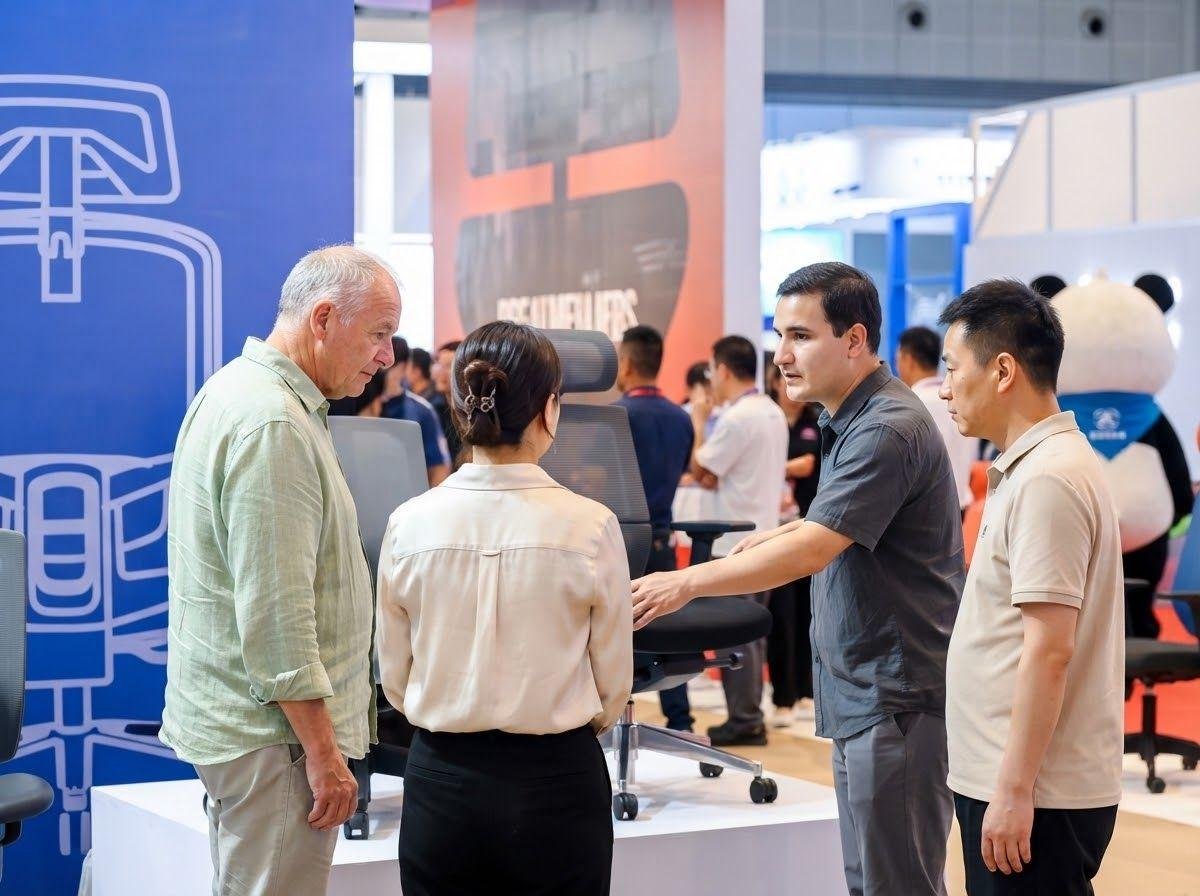
Three days in Foshan. August humidity that you can literally wear. You’re holed up in a glass box overlooking a 50,000-square-meter upholstery floor in Longjiang, running on three hours of sleep and tepid green tea. The factory boss is chain-smoking Chunghwas across the table. But hey, you finally shook on it. You locked down North American exclusive distribution rights for a modular sofa collection that’s going to make your fall catalog sing.
You fly back to LA feeling untouchable. You’ve got the WeChat history saved, the signed Proforma Invoices in your inbox, and you’re already mentally calculating yor Q4 margins. You think you’ve just outsmarted the global supply chain.
But you haven’t. You’ve just bought a ticket to the most expensive casino in Guangdong.
Then comes High Point Market four months later.
There it is. Your exact sofa. Okay, maybe the foam is slightly less dense and the fabric grade is a hair cheaper. But it’s sitting right there in your biggest rival’s showroom, priced 15% under your landed cost.
(I’ve seen guys literally throw their badges in the trash over this. It happens every single season.)
After 15 years wearing out my boots on these factory floors, I watch buyers step into this bear trap on repeat. They actually think a boozy banquet dinner and an English PDF stamped in red ink secures a market. Spoiler: It doesn’t. When dealing with China furniture brands, exclusivity isn’t something you’re given. It’s something you rent. And rent is due every time you submit a purchase order.
The Brutal Reality of Factory “Loyalty”
Let’s tear off the band-aid. A Chinese legal contract isn’t worth the paper it’s printed on if your corporate lawyer back in Chicago drafted it.
Most foreign buyers proudly slide a Western NDA across the table. The factory owner signs it immediately. They don’t even CC their lawyer. Why would they? They know a Guangdong provincial judge will laugh that document right out of the room.
Here is the absolute ground truth of this business: Contracts don’t block a factory from selling your stuff; massive, unrelenting order volumes do.
If your Q3 orders tank, guess what? Those molds aren’t collecting dust. They’re getting fired up to run a batch for the domestic market, or maybe a hungry wholesaler in Dubai. Let me paint you a picture of what “factory overhead” actually looks like on the ground. It’s not just wages. It’s the local party secretary leaning on the boss to keep employment numbers up. It’s the raw material suppliers demanding cash upfront for the leather hides sitting in the courtyard. When your orders slow down because retail foot traffic in Ohio took a dip, the factory boss isn’t looking at your signed PDF. He’s looking at a warehouse full of idle sewing machines. And idle machines are financial death. So, your proprietary chair design suddenly becomes his lifeline.
The “No B.S.” Exclusivity Rules
- Sourcing here means managing domestic Chinese factories directly—which requires hyper-local relationships, not global assumptions.
- English NDAs are garbage here. You need a bilingual NNN (Non-Disclosure, Non-Use, Non-Circumvention) anchored in Chinese law.
- Exclusivity lives and dies by your Minimum Order Quantities (MOQs).
- Own the physical molds. Not just the CAD files. The actual steel.

The Illusion of “Custom” IP
Want exclusivity without buying the tooling? That’s like renting an apartment and getting mad when the landlord shows it to new tenants at the end of your lease. You’re just passing through.
A couple of years back, I was walking a metal-fab plant in Dongguan with a guy named Mr. Chen. He pointed to a gorgeous brass-inlay dining table he was running for a high-end London brand. The British buyer swore up and down they had a global lock on it. Literally one aisle over, guys were boxing the exact same table for a Russian outfit.
The difference? The Russian boxes used brushed nickel instead of brass. And the leg angle was tweaked by maybe two degrees.
“Totally different product,” Chen told me. Deadpan.
I asked Chen how he slept at night. He just laughed, poured me another cup of tea, and pointed out that the Russian buyer paid for the tooling on the nickel version. Therefore, it was theirs. It’s a totally different mindset. You think you’re buying a unique piece of art; they think they are selling a combination of raw materials and machine time. Absolutely ruthless.
Why You Keep Getting Ripped Off
Buyers completely misunderstand IP on the factory floor. To a Chinese manufacturer, your blueprint is a suggestion. A starting line.
If their engineers solve the production bottlenecks on the line, they feel they own the product. Period.
They’ll swap walnut veneer for ash. They’ll change the stitch pattern. In their mind, they just engineered a brand new SKU. In your mind, they ripped off your flagship piece.
And if you didn’t explicitly pay for the molds—and don’t hold a stamped fapiao proving it—those tools belong to the house. The house always maximizes its assets. They’ll run ghost shifts on weekends to supply trading companies you’ll never even be able to track down.
Factory Ecosystems: Monsters vs. Specialists
You can’t use the same playbook for every supplier. The region and the scale dictate everything.
Take the mega-plants in Anji. They pump out 10,000 mesh office chairs a week. They do not give a damn about your boutique hotel project. You’re a rounding error. But then you have the hyper-bespoke workshops in Shenzhen charging Milan prices. Exclusivity is baked in, but you pay through the nose for it.
Most serious buyers live in the middle. Some love the massive, multi-category operations spanning Foshan and Dongguan. Others prefer mid-sized specialists—such as export-oriented houses like Interi Furniture—that anchor their production lines around targeted residential or commercial collections rather than chasing raw volume. Think about it. A monster facility churning out flat-packs views you as a nuisance unless you’re dropping dozens of high-cubes a month. You hold zero leverage there.
But a mid-sized player needs stable, long-term partners. They aren’t just churning raw volume, which makes them far more likely to actually honor a regional exclusivity deal. By partnering with you on a long-term basis for a specific region, they guarantee their own baseline revenue. You aren’t just a customer to them; you’re their outsourced international sales wing. They value that pipeline more than a quick, dirty domestic sale.
Wait, Are You Even Talking to a Factory?
Here’s where rookies get slaughtered. You can’t lock down exclusivity if the guy signing your deal doesn’t own the machines.
Trading companies love signing aggressive exclusive deals. Then, when things go south, they just swap factories. You’re left chasing ghosts. Trace the supply chain down to the raw material warehouse before you even look at a contract.
Check the business license. Manufacturer or trading entity? Walk the floor. Does the machinery match the name on the door? If you don’t know who owns the building, don’t ask for exclusive rights.
The Paper Shield That Actually Works
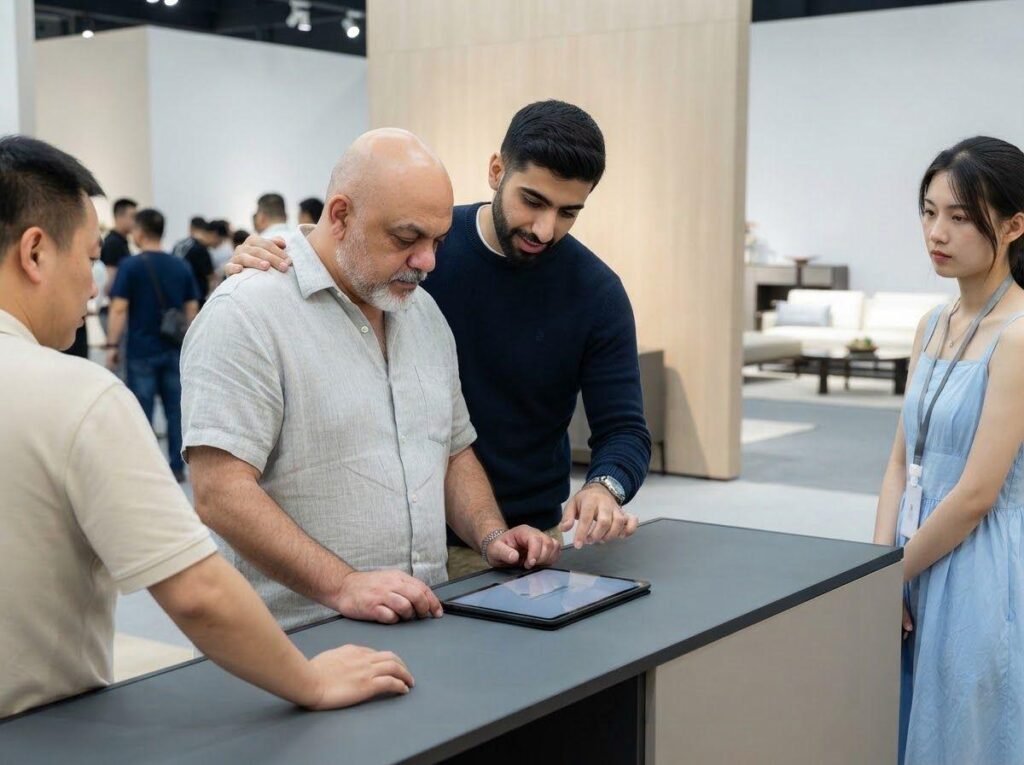
Stop downloading generic NDAs. Just stop. It is corporate suicide.
You need an NNN Agreement. Non-Disclosure, Non-Use, and Non-Circumvention.
“Non-Use” is the magic bullet. It legally blocks them from using your molds or ideas for their other clients. “Non-Circumvention” stops them from backdooring you and selling direct to your retail clients.
But it has to be executed flawlessly. It must be in Chinese. It must be governed by local law. And it must stipulate a local court (usually the factory’s home city) for disputes. If your contract says “Arbitration in New York,” the factory boss is laughing at you.
You need a credible threat of local litigation, backed by Liquidated Damages.
Liquidated damages mean you don’t have to prove exactly how much money you lost (which is impossible anyway). It means if they breach, they automatically owe you a hard, pre-agreed number.
I had a client out of Texas who learned this the hard way. He used a generic NDA. When his factory in Shenzhen started selling his outdoor patio sets to a distributor in Miami, he tried to sue in a US court. The factory didn’t even bother to show up to the hearing. The judge ruled in the buyer’s favor, awarded him $2 million, and… nothing happened. You can’t enforce a US judgment in China. If he had used a localized Chinese legal contract with a $200,000 liquidated damages clause enforceable in Shenzhen, he could have had local authorities freeze the factory’s bank accounts within weeks. Chinese courts love liquidated damages. It makes their job easy.
The Street-Tested Framework
Want to lock this down? Follow this exact playbook.
- Buy the tooling. Get an invoice for all jigs, molds, and templates. It must state you own them and can back a truck up and take them away tomorrow if you want to.
- Shrink your territory. Don’t ask for “Global.” It screams amateur. Ask for “UK and Ireland.” Factories respect tight borders because they know you can’t realistically sell to the whole world anyway.
- Tie it to rolling MOQs. Put it in writing: “Exclusivity holds as long as we pull 5 containers a quarter.” If you miss, they can sell to non-competing markets. It shows you understand the game.
- Control the sub-suppliers. The main factory might honor your agreement, but what about the guy casting the aluminum legs down the street? IP leaks constantly happen at the component level. Your contract must hold the primary manufacturer strictly liable for their entire subcontracting network.
- The Red Flag: If they agree to permanent global exclusivity on day one without fighting you on volume, walk out. They are lying.
- Register your IP locally. Do this before you even open WeChat. File trademarks in China. If they try to sell your stuff locally, customs will actually seize it.
- Ghost inspections. If they know you only inspect before loading, they’ll run weekend shifts of your product for someone else. Send a third-party QC guy in randomly on a Tuesday. Keep them paranoid.
The Unvarnished FAQ
Buyers pull me aside at the hotel bar and ask me these same questions every trip. Here’s the reality.
Q: We had a handshake deal for the US, but our chair is on Alibaba right now. What do I do?
A: Eat the loss. Unless you have a localized NNN and local patents, you’re dead in the water. That Alibaba listing is probably a shell company run by the factory owner’s nephew. Move on.
Q: Should I just let my sourcing agent handle the contracts?
A: Only if you pay them a flat retainer. If they are taking a hidden cut from the factory (which is basically standard practice), they aren’t going to fight for you when the factory breaches. Keep your lawyer and your sourcing agent in two totally separate buckets.
Q: The factory is arguing with me over the NNN clauses. Dealbreaker?
A: Actually, no. Pushback is great. It means they translated it and are actually scared of the terms. Factories planning to screw you will sign it blindly.
Q: Can I really sue a Chinese factory and win?
A: Yes. If you used a proper Chinese legal contract with local jurisdiction and liquidated damages, the local courts are surprisingly fast and effective. But the paperwork has to be bulletproof from day one.
Look, securing distribution rights isn’t about throwing your weight around or trying to play Harvey Specter in a Dongguan boardroom. It’s about aligning the money.
If they are making solid margins running your orders efficiently, they aren’t going to blow it by selling your designs out the back door. The contract is just the brake pedal. Your volume is the engine.
Next time you fly over, skip the banquet. Buy the molds, file the local IP, sign the NNN, and most importantly—keep the containers moving.